Hill’s Prescription Dog Food: What Every Dog Owner Needs to Know
When your dog faces health issues, choosing the right food becomes more important than ever. Many veterinarians recommend Hill’s Prescription Diet for dogs with special medical needs. But what makes this food different? Is it really worth the extra cost? If you’re a dog owner searching for answers, you’re in the right place. This guide explains everything you need to know about Hill’s Prescription Dog Food, including its benefits, types, when to use it, and what to watch out for.
What Is Hill’s Prescription Dog Food?
Hill’s Prescription Diet is a line of specialized dog foods designed to help manage specific health conditions. These foods are developed by veterinarians and nutritionists. They contain carefully balanced nutrients to support dogs with issues such as kidney disease, allergies, diabetes, digestive problems, and weight management.
Unlike regular dog food, you can only buy Hill’s Prescription Diet with a veterinarian’s approval. This ensures your dog gets the right formula for their condition.
Why Vets Recommend Hill’s Prescription Diet
Veterinarians trust this brand for several reasons:
- Clinically tested formulas: Each recipe is backed by research and clinical trials.
- Specific targeting: Each food targets a particular health issue, such as urinary health or joint support.
- Consistent quality: Hill’s has strict quality controls and uses high-quality ingredients.
One non-obvious insight: The nutrients in these foods are often adjusted for absorption and bioavailability, not just quantity. For example, kidney formulas reduce phosphorus and add antioxidants that support kidney function, not just limit protein.
Credit: www.petco.com
Main Types Of Hill’s Prescription Dog Food
Hill’s offers many prescription formulas. Here are some of the most popular:
- K/d – For kidney care
- C/d Multicare – For urinary health
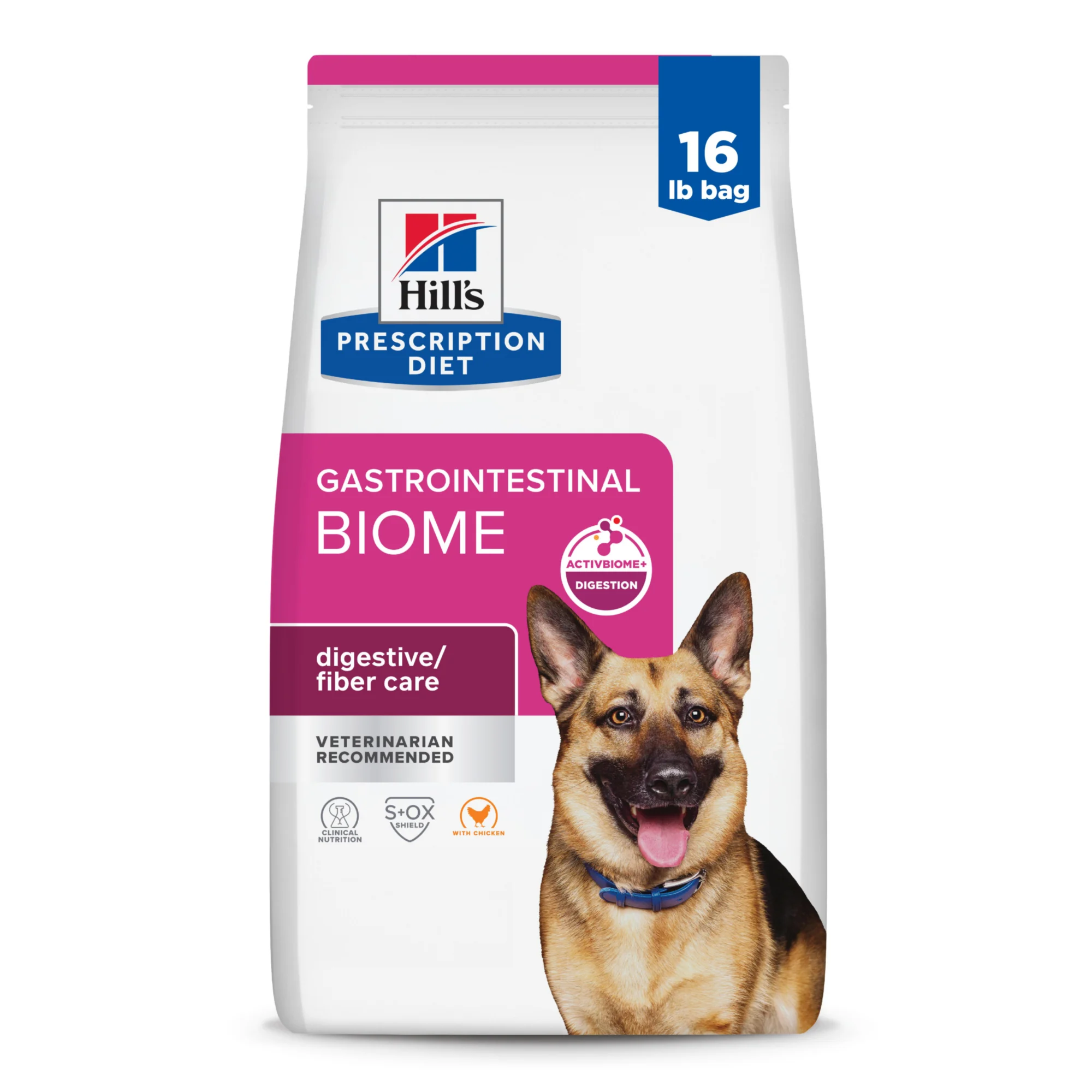
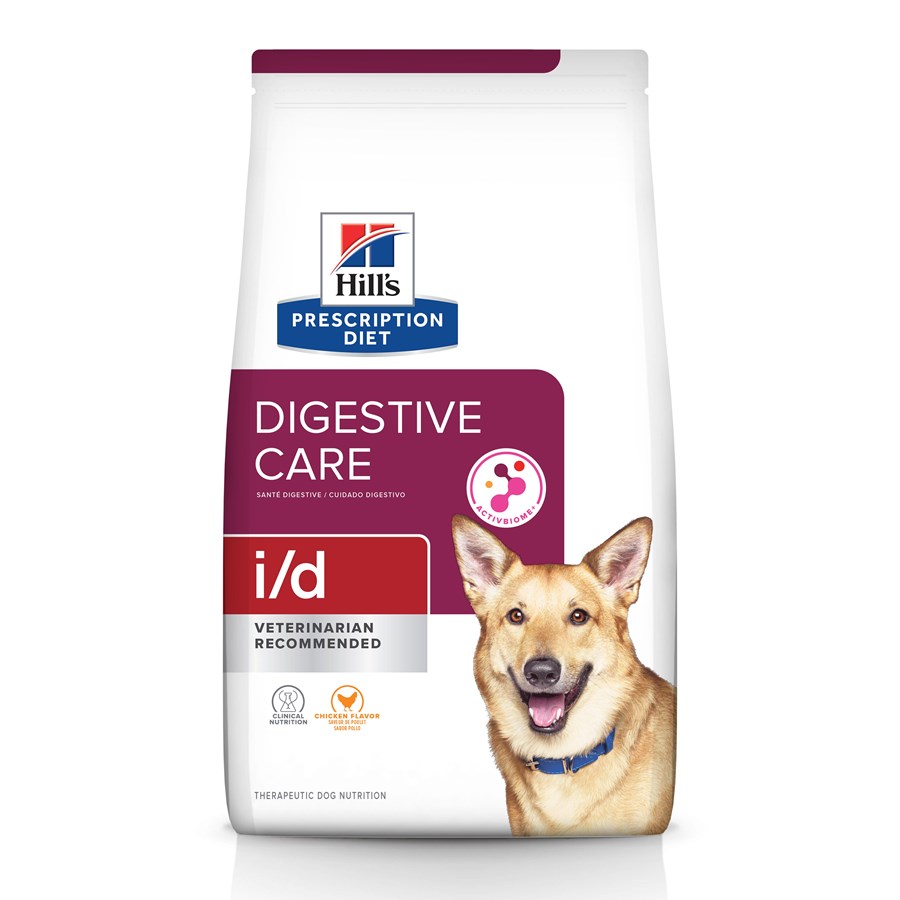
- I/d – For digestive care
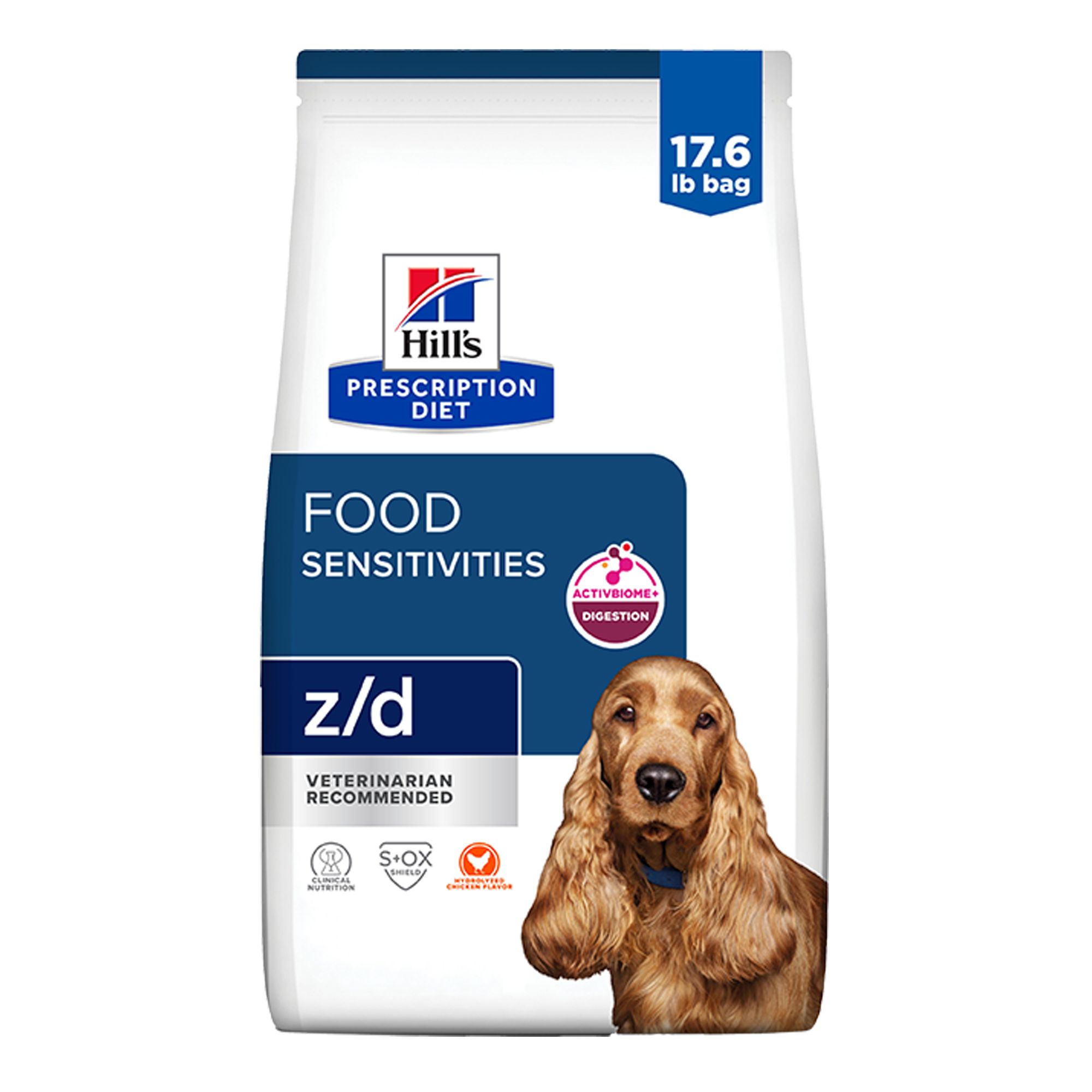
- Z/d – For food sensitivities and allergies
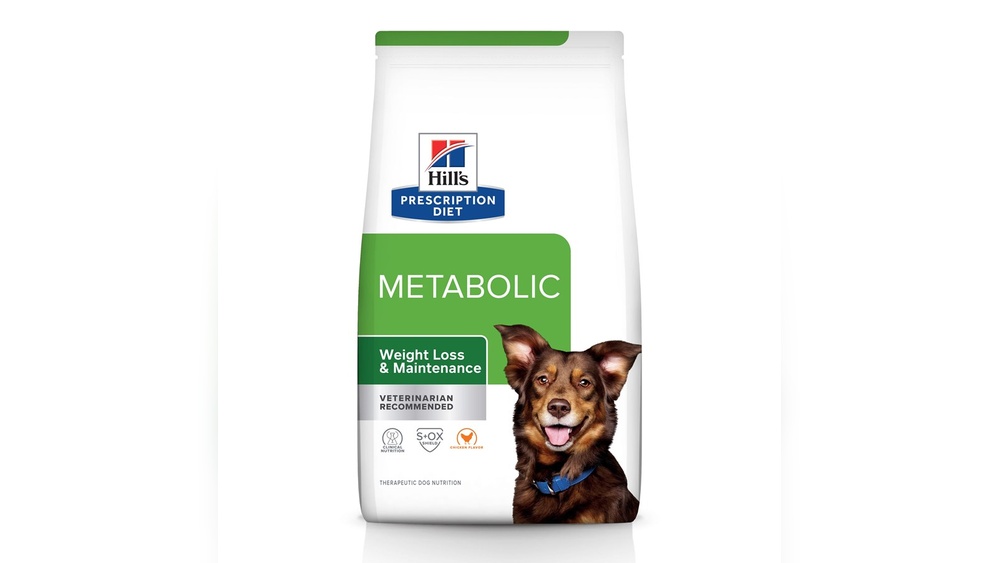
- Metabolic – For weight management
- J/d – For joint care
- W/d – For weight, glucose, and digestive management
- Derm Defense – For skin health
Let’s take a closer look at the top five:
K/d – Kidney Care
Dogs with kidney disease need less phosphorus and controlled protein. k/d helps slow kidney damage and supports longer life. Owners often notice improved energy in their dogs.
C/d Multicare – Urinary Health
c/d Multicare is designed to dissolve certain bladder stones and lower the risk of new stones forming. It controls mineral levels and maintains a healthy urinary pH.
I/d – Digestive Care
For dogs with vomiting, diarrhea, or sensitive stomachs, i/d uses easily digestible proteins and added fiber. It can quickly calm upset stomachs.
Z/d – Food Sensitivities
Some dogs react badly to common proteins. z/d uses hydrolyzed protein, meaning it’s broken down so the immune system won’t attack it. This helps control itching and stomach upsets.
Metabolic – Weight Management
Obesity is a big problem in pets. Metabolic helps dogs lose weight without making them feel hungry. It uses unique fiber blends to control appetite.
Comparing Hill’s Prescription Diet To Regular Dog Food
Many owners wonder why prescription food costs more. Here’s a simple comparison:
| Feature | Hill’s Prescription Diet | Regular Dog Food |
|---|---|---|
| Veterinary Approval | Required | Not needed |
| Targeted Health Support | Yes | No |
| Price | Higher | Lower |
| Clinical Testing | Extensive | Minimal or none |
The key is that prescription diets are not just “better” food, but therapeutic tools. They can help manage diseases and reduce the need for medications.
Credit: www.petcarerx.com
How To Get Hill’s Prescription Dog Food
You cannot buy Hill’s Prescription Diet without a vet’s approval. The process usually works like this:
- Your dog gets a health check.
- The vet diagnoses a condition and recommends a specific formula.
- You receive a prescription (sometimes written, often sent to the store or online directly).
- You can buy from pet stores, vet clinics, or online retailers.
Never switch to a prescription diet without professional advice. The wrong formula can make your dog’s health worse.
Feeding Guidelines And Transition Tips
Switching to prescription food should be done slowly. Here’s a safe way to transition:
| Days | Old Food | New Food |
|---|---|---|
| 1-2 | 75% | 25% |
| 3-4 | 50% | 50% |
| 5-6 | 25% | 75% |
| 7+ | 0% | 100% |
This gradual change helps prevent stomach upset.
Credit: www.petsmart.com
Common Mistakes When Using Hill’s Prescription Diet
Even caring owners can make mistakes:
- Self-diagnosing: Some try to pick a formula without a vet. This can be dangerous.
- Mixing with treats: Giving regular treats can reduce the food’s effect.
- Feeding other pets: Prescription food is only for the pet with the condition.
- Stopping early: Stopping the diet when the dog seems better can lead to relapse.
One more insight: Prescription diets often work best when used as the sole diet. Mixing with other foods can undo their benefits.
Cost And Value
Hill’s Prescription Diet is more expensive than regular food. Prices range from $30 to $90 per bag, depending on size and formula. However, feeding the right diet can lower vet bills by managing your dog’s condition better.
Some pet insurance plans may cover prescription food if your dog needs it for a medical reason. Ask your insurer for details.
Real-world Results
Many owners report big improvements after switching to Hill’s Prescription Diet. For example, dogs with chronic diarrhea on i/d often see normal stools within days. Overweight dogs on Metabolic can lose 10% of their body weight safely in a few months.
Veterinarians trust the brand because of its consistent results and strong research backing. Hill’s is also recommended by the World Small Animal Veterinary Association.
For those who want to learn more about clinical evidence, visit the Hill’s Pet Nutrition Veterinary Resources.
Frequently Asked Questions
What Makes Hill’s Prescription Diet Different From Hill’s Science Diet?
Hill’s Prescription Diet is made for specific medical issues and needs vet approval. Science Diet is for healthy pets and does not need a prescription.
Can I Feed Hill’s Prescription Diet To My Healthy Dog?
No. These foods are balanced for sick dogs and may not suit healthy dogs. Feeding them to a healthy pet can cause problems over time.
How Long Does My Dog Need To Eat Prescription Food?
This depends on the condition. Some dogs need it for life, others only for a few months. Always follow your vet’s advice.
Are There Any Side Effects?
Side effects are rare but possible, especially if used without a diagnosis. Watch for vomiting, diarrhea, or changes in energy and tell your vet.
Can I Buy Hill’s Prescription Diet Online?
Yes, but you need a valid prescription. Many online pet stores will contact your vet to confirm before shipping.
Choosing the right food is one of the best things you can do for your dog’s health. With guidance from your vet and careful use of Hill’s Prescription Diet, you can help your dog live a longer, happier life.