Many dog owners struggle when their pets gain extra weight. A chubby dog may look cute, but those extra pounds can lead to serious health problems. Choosing the right dog weight loss food can make a big difference. With the right diet, your dog can slim down safely and regain energy. But not all weight loss foods are the same. Some claim to be healthy but contain hidden calories or fillers. Others may not provide enough nutrients for your dog to stay strong.
Understanding how to pick the best food, what ingredients to look for, and how to introduce new diets is essential. Let’s explore how you can help your dog lose weight safely and choose the best food for long-term health.
Why Dogs Gain Weight
Dogs gain weight for many reasons. The most common cause is eating too much and not getting enough exercise. Some breeds, like Labradors and Beagles, are more likely to put on pounds. Age is another factor—older dogs often burn fewer calories.
Extra treats, table scraps, and high-calorie kibble add up quickly. Sometimes, a medical condition such as hypothyroidism or Cushing’s disease can also play a role. If your dog seems to gain weight even with a controlled diet, visit your vet to rule out health issues.
Health Risks Of Overweight Dogs
Carrying extra weight can shorten a dog’s life. It increases the risk of diabetes, heart disease, arthritis, and breathing problems. Overweight dogs are more likely to develop high blood pressure and joint pain. Even a few extra pounds can stress the heart and make it hard to move.
Research shows that dogs kept at a healthy weight live up to two years longer than overweight dogs. Helping your dog lose weight is one of the best gifts you can give for a happy, active life.
:strip_icc()/sps-tier-3-primary-best-dog-food-weight-loss-ahuang-037-ce3edd322a1345f4b574389ec94f28b1.jpeg)
Credit: www.thesprucepets.com
What Makes A Good Dog Weight Loss Food
Not all dog foods are created equal, especially when it comes to weight loss. Here’s what to look for:
- Low calories: Weight loss foods have fewer calories per cup.
- High protein: Protein helps dogs feel full and keeps muscles strong.
- Low fat: Less fat means fewer calories.
- High fiber: Fiber fills up the stomach, helping dogs feel satisfied.
- Complete nutrition: Even with fewer calories, your dog still needs all the vitamins and minerals for health.
Avoid foods with too many fillers like corn or soy. These can add empty calories and don’t keep your dog full for long.
Example Of Nutrition Comparison
Here’s how typical regular dog food compares to weight loss formulas:
| Type | Calories (per cup) | Protein (%) | Fat (%) | Fiber (%) |
|---|---|---|---|---|
| Regular Adult Kibble | 380 | 22 | 14 | 3 |
| Weight Loss Formula | 280 | 28 | 8 | 10 |
Top Ingredients To Look For
The best dog weight loss foods use quality ingredients:
- Lean meats (like chicken, turkey, or fish) for protein.
- Sweet potatoes, pumpkin, or peas for natural fiber.
- Brown rice or barley for healthy carbs.
- Added vitamins and minerals for complete nutrition.
Some foods include extra L-carnitine, which helps the body burn fat.
Be cautious about foods with artificial flavors or lots of salt. These can make your dog want to eat more or cause health issues.
How To Transition To A Weight Loss Food
Switching your dog’s food too quickly can cause stomach upset. Follow these steps for a smooth change:
- Mix a small amount of the new food with your dog’s current food.
- Gradually increase the new food and decrease the old food over 7–10 days.
- Watch for signs of digestive problems, like diarrhea or vomiting.
Make sure your dog always has fresh water. Some dogs drink more when eating high-fiber foods.
Sample Transition Schedule
| Days | Old Food (%) | New Food (%) |
|---|---|---|
| 1–2 | 75 | 25 |
| 3–4 | 50 | 50 |
| 5–6 | 25 | 75 |
| 7+ | 0 | 100 |
Tips For Success With Dog Weight Loss Food
- Measure every meal. Use a measuring cup so you don’t accidentally overfeed.
- Limit treats. Choose low-calorie treats or use small pieces of vegetables like carrots.
- Stick to a schedule. Feeding at the same times each day helps control hunger.
- Increase exercise. Combine a healthy diet with more walks or playtime.
- Track progress. Weigh your dog every 2–4 weeks to see how things are going.
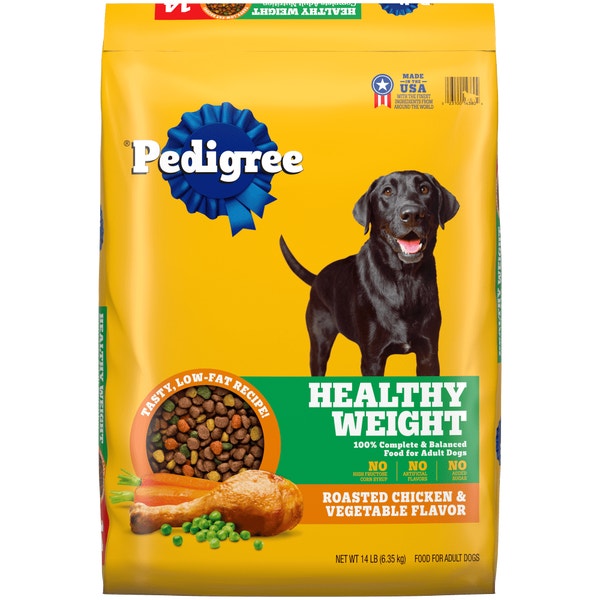
Credit: www.pedigree.com
Common Mistakes To Avoid
Many owners make mistakes when trying to help their dog lose weight:
- Guessing food amounts. Always measure portions.
- Forgetting treats count. Treats can add up to hundreds of extra calories.
- Changing food too fast. Sudden changes can upset the stomach.
- Not checking with a vet. Sometimes medical issues cause weight gain.
- Giving up too soon. Weight loss is slow—aim for 1–2% of body weight per week.
Popular Dog Weight Loss Foods Compared
Here’s a quick look at some top-rated brands that focus on healthy weight loss for dogs:
| Brand | Main Protein | Calories (per cup) | Special Features |
|---|---|---|---|
| Hill’s Science Diet Perfect Weight | Chicken | 291 | L-carnitine, high fiber |
| Blue Buffalo Healthy Weight | Chicken | 324 | No corn/wheat/soy |
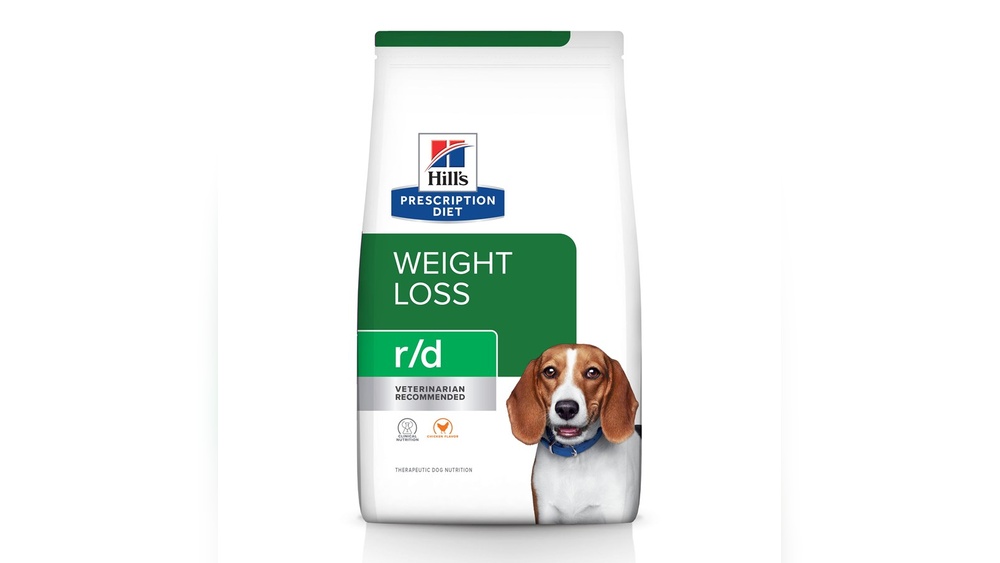
| Royal Canin Satiety | Poultry | 240 | Prescription, high fiber |
| Wellness CORE Reduced Fat | Turkey | 360 | Grain-free, high protein |
Always check with your veterinarian before choosing a new food, especially if your dog has health problems.
Non-obvious Insights For Dog Weight Loss
- Portion sizes often change with weight loss foods. Even if the kibble looks the same, the right amount may be less or more than your previous brand. Double-check feeding guidelines.
- Some dogs may lose weight too quickly on very low-calorie diets. Rapid weight loss can be dangerous. If your dog seems tired or loses interest in food, consult your vet.
Supporting Weight Loss Beyond Food
Food is only part of the solution. Daily exercise helps burn calories and keeps your dog happy. Try shorter, more frequent walks if your dog is not used to activity. For dogs with joint pain, swimming is gentle and effective.
Track your dog’s weight at home or during regular vet visits. Celebrate small successes—each pound lost means a healthier life for your dog.
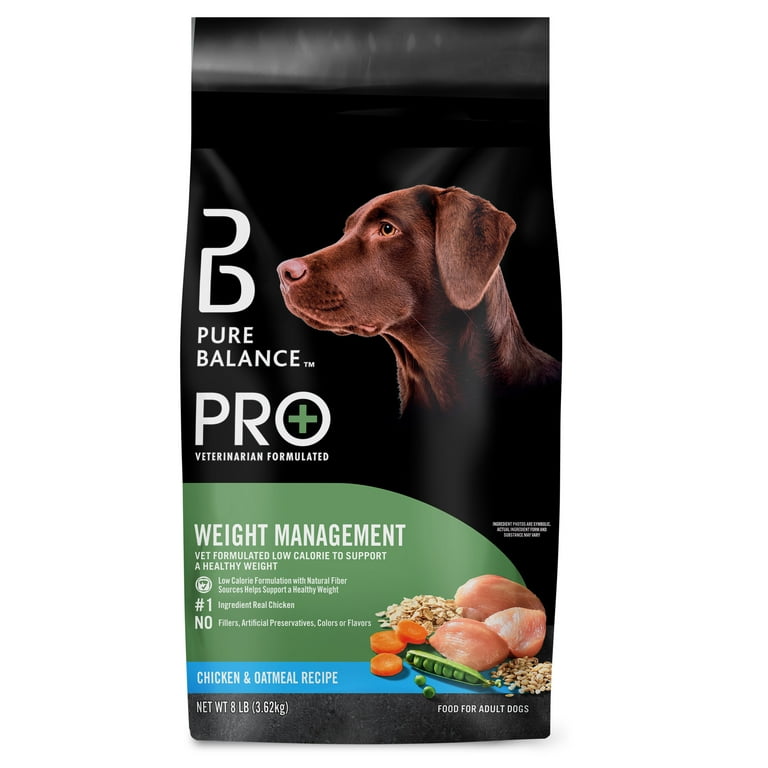
Credit: www.walmart.com
Frequently Asked Questions
What Is The Best Dog Weight Loss Food?
There is no single best food for every dog. Good choices have high protein, low fat, and high fiber. Brands like Hill’s Science Diet, Blue Buffalo, and Royal Canin make trusted weight loss formulas.
How Fast Should My Dog Lose Weight?
Safe weight loss is about 1–2% of body weight per week. Losing weight too quickly can harm your dog’s health. Always follow your vet’s advice.
Can I Make Homemade Weight Loss Food For My Dog?
Homemade diets are possible, but it’s easy to miss important nutrients. If you want to make food at home, work with your vet or a pet nutritionist. The American Veterinary Medical Association has helpful tips.
Are Weight Loss Foods Safe For Puppies?
Weight loss foods are made for adult dogs. Puppies need extra calories and nutrition for growth. Never feed weight loss formulas to puppies unless your vet says it’s okay.
What If My Dog Refuses The New Food?
Some dogs are picky. Try mixing the new food with a bit of low-sodium chicken broth or a small amount of their old food. Be patient—most dogs adjust after a week or two.
Helping your dog lose weight is a journey. With the right dog weight loss food, patience, and love, your dog can return to a healthy, happy life. Remember, small changes make a big difference over time.