Cats are known for their clean habits. They spend many hours licking their fur to stay tidy. But this grooming leads to a common problem: hairballs. If you own a cat, you might have seen your pet cough up a wet clump of hair. While hairballs are normal, frequent or severe episodes can cause trouble for both cats and owners. Understanding how to treat and prevent hairballs is key for a healthy, happy cat.
What Are Hairballs And Why Do Cats Get Them?
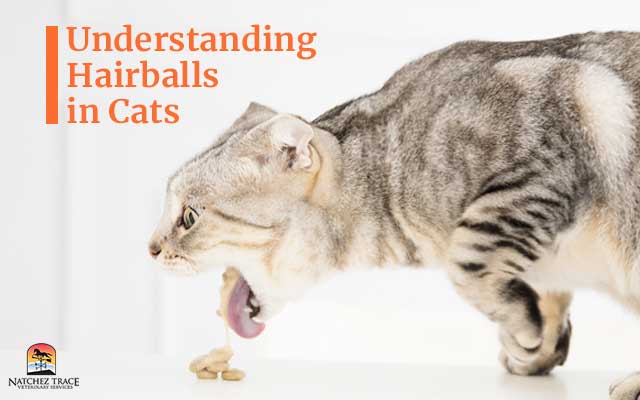
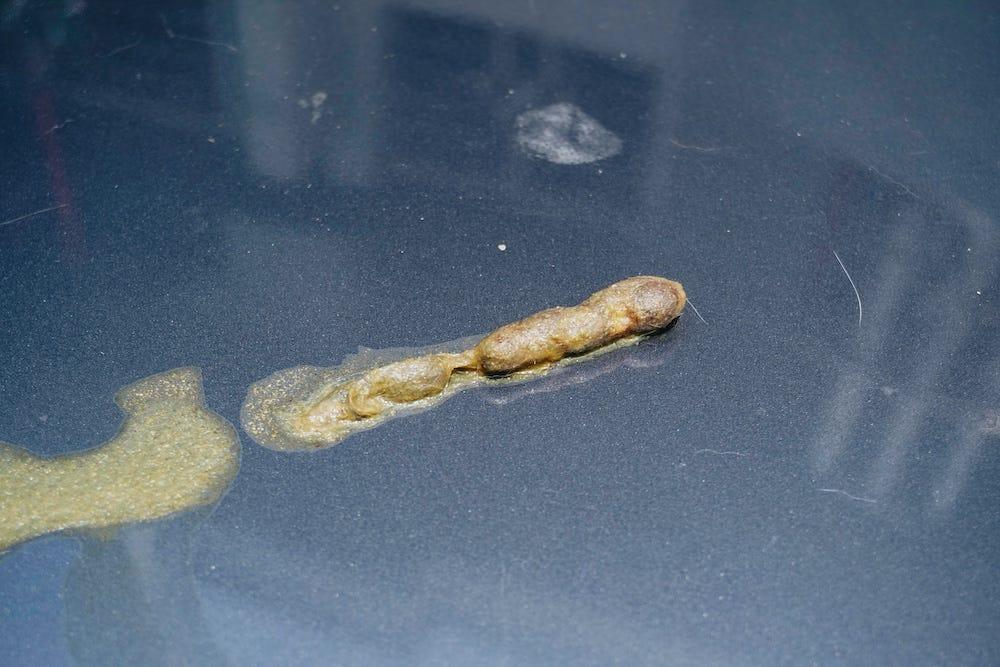
Hairballs are small, tube-shaped clumps of hair that cats throw up. When a cat grooms, loose hair is swallowed. Most of this hair passes through the digestive system. Sometimes, it collects in the stomach and forms a hairball. This is more common in long-haired breeds like Persians or Maine Coons.
Older cats, or those that groom a lot due to stress or allergies, are also at higher risk. In rare cases, hairballs can block the intestines, which is dangerous and needs a vet’s help right away.
Symptoms Of Hairballs In Cats
Most hairballs are harmless. But sometimes, they can signal a bigger problem. Look for these signs:
- Frequent coughing or gagging
- Loss of appetite
- Vomiting without hairballs
- Constipation or diarrhea
- Lethargy
If your cat shows any of these signs for more than a day, call your vet. A blocked intestine is serious.
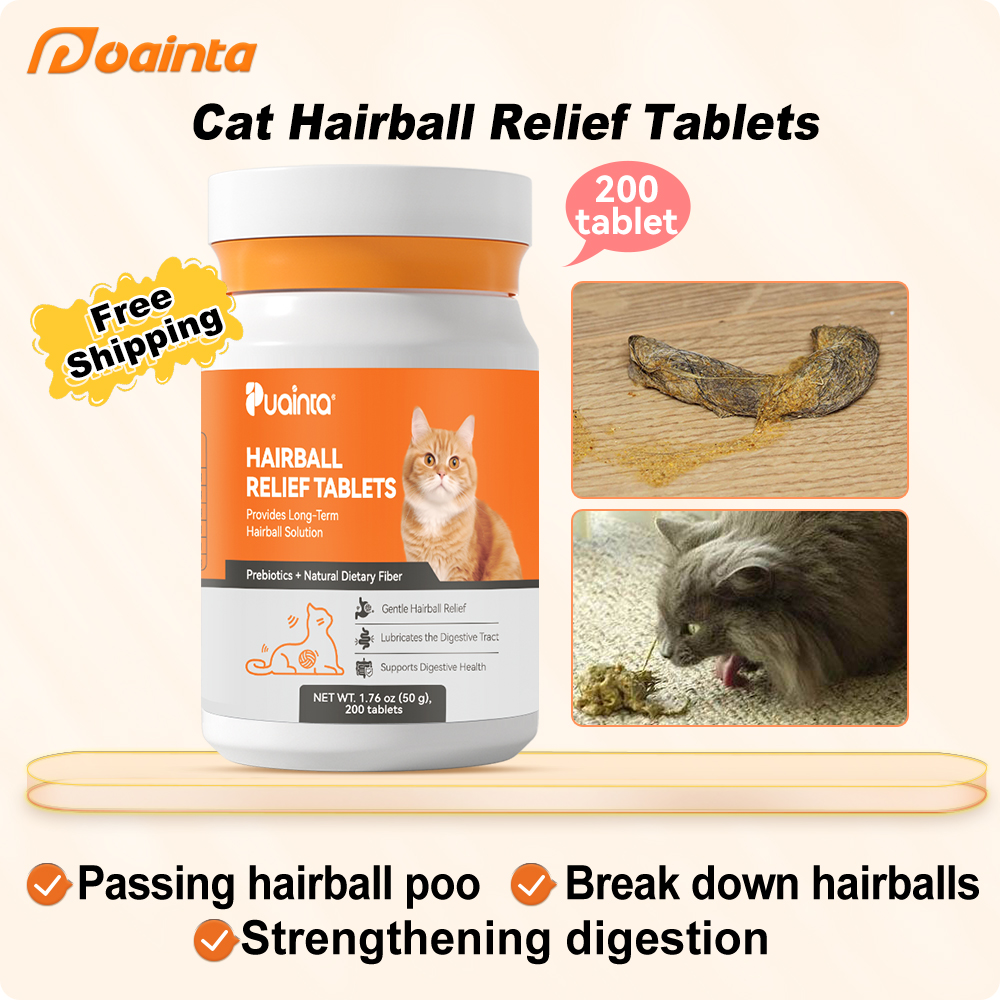
Credit: ph.puainta.com
Effective Hairball Treatments
There are several ways to help your cat with hairballs. Some methods offer quick relief, while others prevent new problems. Here are the most effective options:
1. Regular Brushing
Brushing your cat removes loose fur before it is swallowed. For short-haired cats, brush once or twice a week. For long-haired breeds, daily brushing is best. Use a slicker brush or a comb designed for cats.
2. Hairball Control Diets
Many pet food brands offer hairball formula foods. These contain more fiber, which helps hair pass through the digestive tract. Check the label for ingredients like beet pulp or cellulose.
| Brand | Fiber Content (%) | Recommended For |
|---|---|---|
| Hill’s Science Diet | 8.5 | Adult Cats |
| Royal Canin Hairball Care | 8.7 | Indoor Cats |
| Purina ONE Hairball Formula | 5.7 | All Life Stages |
3. Hairball Gels And Pastes
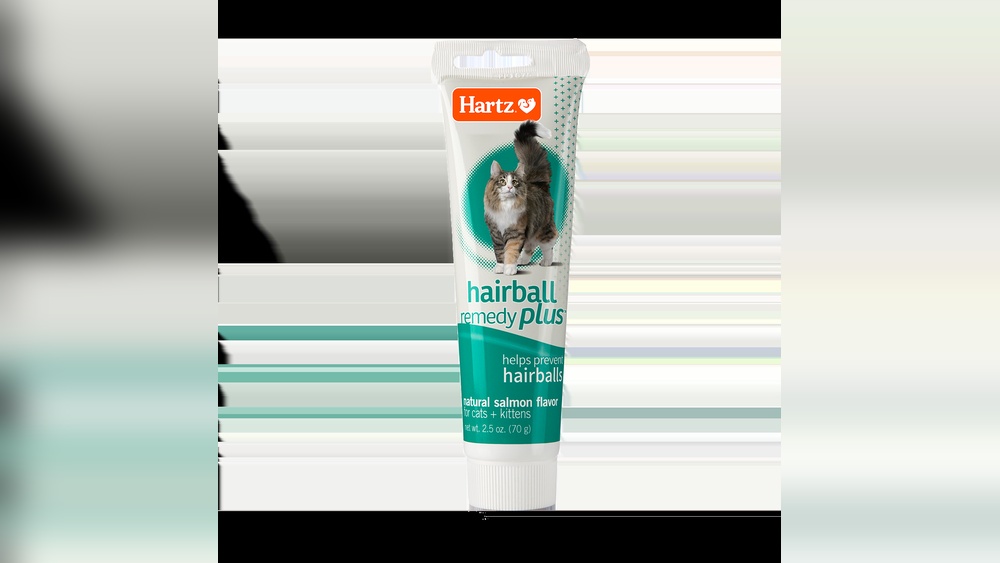
Hairball remedies often come as tasty gels. These are made with petroleum jelly or other lubricants. They help swallowed hair move through the gut. Offer a small amount on your finger, or mix it with food. Do not give human products like Vaseline.
4. Increase Water Intake
Cats that drink more water have fewer hairballs. Wet food adds moisture to your cat’s diet. A cat water fountain can also encourage drinking. More water keeps the digestive system moving smoothly.
5. Environmental Enrichment
Bored or stressed cats groom more, swallowing extra hair. Use toys, climbing posts, or puzzle feeders to keep your cat busy. Reducing stress can cut down on hairball problems.
Home Remedies For Hairballs
Some owners try home remedies for mild hairball issues. Not all are safe. Here are a few simple options that can help:
- A teaspoon of pumpkin puree (plain, not pie filling) can add fiber.
- A tiny amount of olive oil, once a week, may help hair pass.
- Avoid butter or mineral oil—these can cause other health issues.
Always talk to your vet before using home remedies.
Credit: franklintnvet.com
When To See The Vet
Most hairballs are not dangerous. But certain signs mean a vet visit is needed:
- Repeated retching with no hairball produced
- No eating or drinking for 24 hours
- Bloated or painful belly
- Blood in vomit or stool
A vet may use X-rays or ultrasound to check for blockages. In rare cases, surgery is needed to remove a trapped hairball.
Comparing Hairball Products
There are many products for hairball control. Here is a simple comparison of popular options:
| Product Type | How It Works | Best For |
|---|---|---|
| Hairball Gel | Lubricates digestive tract | Cats with frequent hairballs |
| High-Fiber Diet | Adds bulk to stool | Chronic hairball cases |
| Regular Brushing | Removes loose hair | All cats |
Credit: www.whisker.com
Non-obvious Insights
Many owners miss these two key points:
- Seasonal changes affect hairballs. Cats shed more in spring and fall, so increase brushing during these times.
- Short-haired cats can also have serious hairball problems. Do not ignore symptoms in these breeds, even if hairballs seem less likely.
Tips To Prevent Hairballs
- Groom your cat often, especially during shedding seasons.
- Feed a balanced diet with enough fiber.
- Encourage play and reduce stress at home.
- Watch for any change in your cat’s behavior or litter box habits.
Prevention is much easier than treating a major hairball blockage.
Monitoring Your Cat’s Health
Keep a simple log of your cat’s hairball episodes. Note how often they occur, and any changes in eating or bathroom habits. If you see patterns or a sudden increase, share this record with your vet. Early action can avoid major health issues.
Useful Resource
For more details on hairballs and cat health, see this Cornell Feline Health Center guide.
Frequently Asked Questions
How Often Should I Brush My Cat To Prevent Hairballs?
For most cats, brushing two or three times a week is enough. Long-haired breeds need daily brushing, especially during shedding season.
Are Hairballs Dangerous For My Cat?
Most hairballs are not dangerous. However, if a cat cannot pass a hairball, it can cause a blockage. This is a medical emergency and needs a vet’s help.
Can Kittens Get Hairballs?
Kittens rarely get hairballs because they do not groom much. As they grow and groom more, hairballs can appear.
What Is The Best Food For Hairball Control?
Choose foods labeled “hairball control” with extra fiber. Brands like Hill’s Science Diet or Royal Canin offer special formulas for this purpose.
When Should I Worry About My Cat’s Hairballs?
If your cat is vomiting, not eating, or seems in pain, contact your vet right away. Frequent hairballs or changes in behavior are also warning signs.
Keeping your cat free of hairball problems means regular care and quick action if trouble appears. With these simple steps, you can make life easier for your cat and yourself.