Dry Food Or Wet for Cats choosing the right food for your cat can feel confusing. Cat owners often ask, “Should I feed my cat dry food or wet? ” Both have strong points, but each comes with challenges. If you care about your cat’s health, knowing the facts makes a big difference.
Let’s look closely at dry and wet cat food, so you can give your pet what it truly needs.
What Is Dry Cat Food?
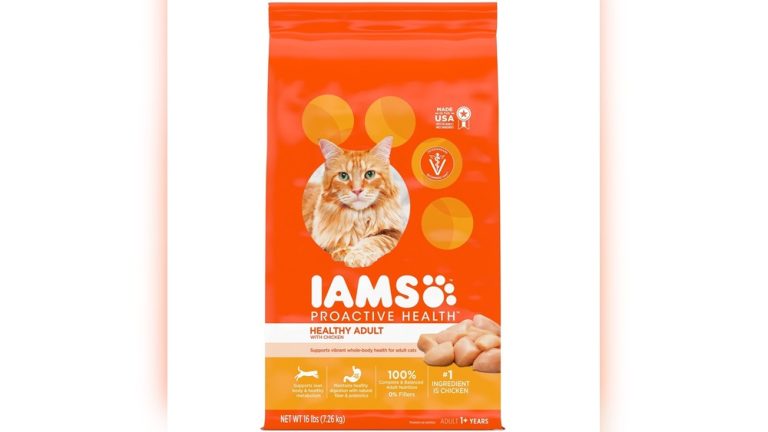
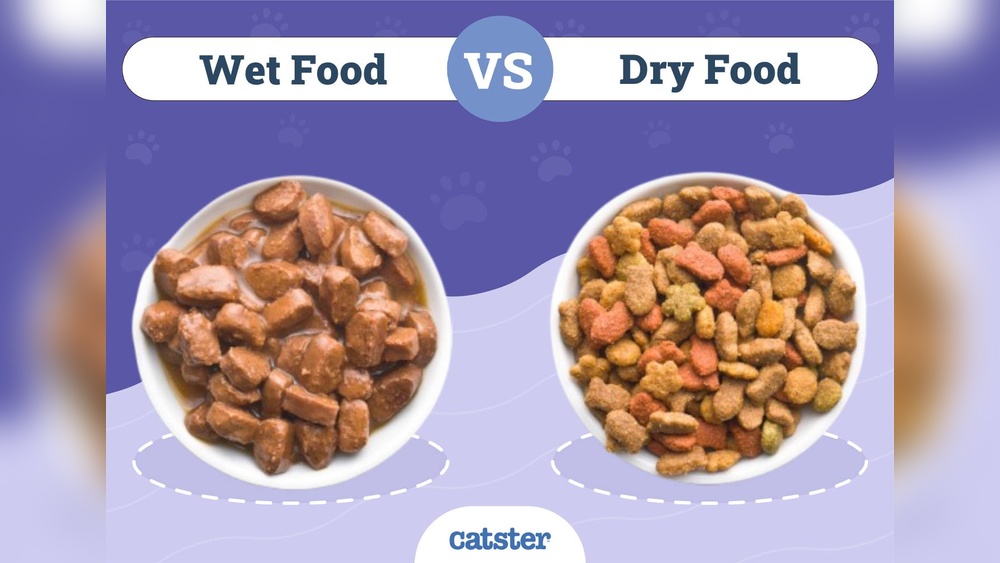
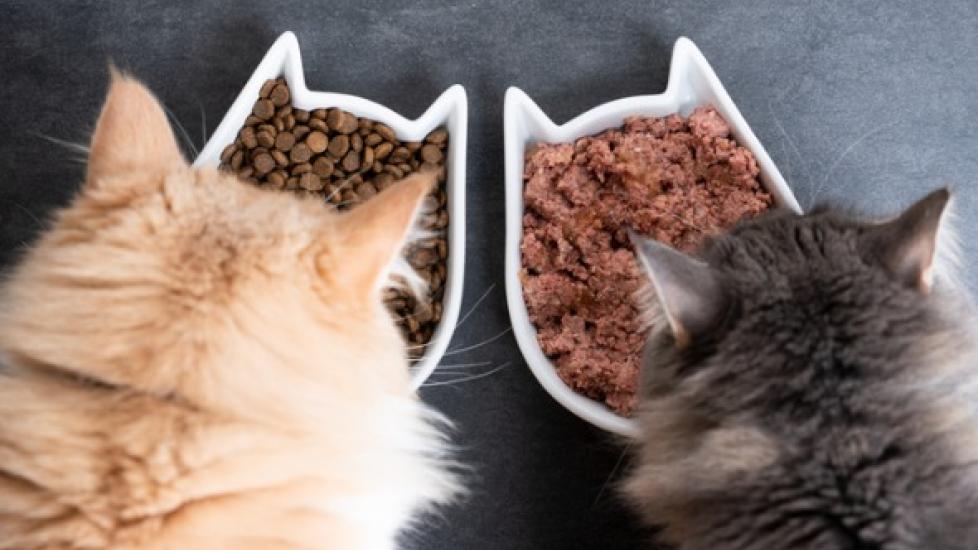
Dry cat food, also called kibble, comes in small, crunchy pieces. It’s popular because it’s easy to store, lasts a long time, and is less expensive than wet food. Most dry foods have around 10% moisture or less.
Kibble is made by mixing meat, grains, vitamins, and minerals, then baking or extruding the mixture. Many brands add flavors or coatings to make the food tastier.
Pros Of Dry Cat Food
- Convenience: You can leave kibble out all day without it spoiling.
- Affordable: Usually costs less per meal than wet food.
- Dental benefits: The crunchy texture may help reduce plaque and tartar.
- Long shelf life: Unopened bags can last several months.
Cons Of Dry Cat Food
- Low moisture: Cats on dry food may not drink enough water, risking dehydration.
- Carbohydrates: Some kibbles have more carbs, which cats do not need in large amounts.
- Picky eaters: Some cats dislike the texture or flavor.
What Is Wet Cat Food?
Wet cat food comes in cans or pouches and contains much more moisture—usually 75-85% water. The texture is softer, and the smell is stronger. Many cats love wet food because it mimics fresh prey.
Wet food is cooked and sealed for freshness, so it usually contains less preservatives.
Pros Of Wet Cat Food
- High moisture content: Helps cats stay hydrated, especially older cats.
- Palatable: Most cats find it tasty and easier to eat.
- Lower carbs: Usually contains more protein and fewer carbohydrates.
- Helps with weight: Feels more filling, so cats may eat less.
Cons Of Wet Cat Food
- Spoils quickly: Must be refrigerated after opening and cannot stay out long.
- More expensive: Costs more per meal compared to dry food.
- Dental health: Does not help clean teeth.
Comparing Nutrition: Dry Vs. Wet
Nutrition is more than just protein or fat. The balance of protein, fat, carbs, moisture, and vitamins all matter.
| Nutrient | Dry Food | Wet Food |
|---|---|---|
| Moisture | 8-10% | 75-85% |
| Protein | 30-40% | 8-12% (but higher when adjusted for water) |
| Carbohydrates | 25-50% | 1-10% |
| Calories per gram | High | Lower |
Non-obvious insight: Wet food protein looks lower, but that’s only because it’s diluted by water. If you adjust for moisture, high-quality wet food can be just as rich in protein as dry food.
Cost And Storage Differences
Money and storage space matter for many cat owners. Here’s how the two types compare:
| Aspect | Dry Food | Wet Food |
|---|---|---|
| Cost per meal | Lower | Higher |
| Storage | Easy, room temperature | Needs fridge after opening |
| Shelf life | Long | Short |
Credit: www.petmd.com
Health Considerations
Some cats have special needs. For example, cats with kidney disease need extra moisture. Wet food can help. Cats prone to obesity may do better with wet food because it’s less calorie-dense.
However, if a cat has dental problems, dry food is not a cure. It may help with minor tartar, but it won’t replace brushing.
Some owners think mixing dry and wet food is best. This can work, but balance is key. Too much dry food can lead to dehydration, while only wet food can be expensive.
Feeding Recommendations By Age And Lifestyle
Cats’ needs change as they grow. Kittens, adults, and seniors all benefit from different types of food.
| Life Stage | Recommended Food | Why |
|---|---|---|
| Kitten | Wet or mix | Easy to eat, high protein, hydration |
| Adult | Dry, wet, or mix | Depends on lifestyle, health, and taste |
| Senior | Wet or mix | Helps hydration, easier to chew |
Another non-obvious tip: Cats living indoors often drink less water, so wet food can prevent urinary problems.

Credit: www.youtube.com
Common Mistakes To Avoid
- Feeding only dry food without fresh water. Cats may not drink enough.
- Switching foods too fast can upset a cat’s stomach. Change slowly.
- Ignoring portion sizes. Both dry and wet food can cause weight gain if overfed.
- Choosing food by price alone. Cheap food often has more fillers and fewer nutrients.
- Not reading labels. Look for real meat as the first ingredient.
How To Choose What’s Best For Your Cat
Every cat is unique. Think about:
- Your cat’s age and health conditions.
- Your budget and lifestyle.
- Your cat’s preferences—some cats refuse certain textures.
If possible, ask your vet for a recommendation. For more details, you can check the Wikipedia page on cat food.
Credit: aminpetshop.com
Frequently Asked Questions
What If My Cat Only Likes Dry Food?
If your cat refuses wet food, try mixing a small amount into the dry food. Warm wet food slightly to release aroma. Some cats need time to adjust.
Is Wet Food Better For Older Cats?
Yes, because older cats often have dental issues and need more water. Wet food is easier to chew and helps keep them hydrated.
Can I Feed Both Dry And Wet Food Together?
Yes. Many owners mix both types. Just watch total calories to avoid weight gain. Mixing gives variety and covers more nutrition needs.
How Much Water Does A Cat Need If Eating Dry Food?
A cat eating only dry food needs more water—aim for at least 60 ml per kilogram of body weight per day. Always provide fresh water.
Does Dry Food Prevent Dental Problems?
Dry food may help a little, but it’s not enough. For real dental health, brush your cat’s teeth or give dental treats.
Feeding your cat is about balance, not just choosing dry or wet food. Pay attention to your cat’s habits, health, and what makes them happy. With the right approach, your cat can enjoy a long, healthy life.