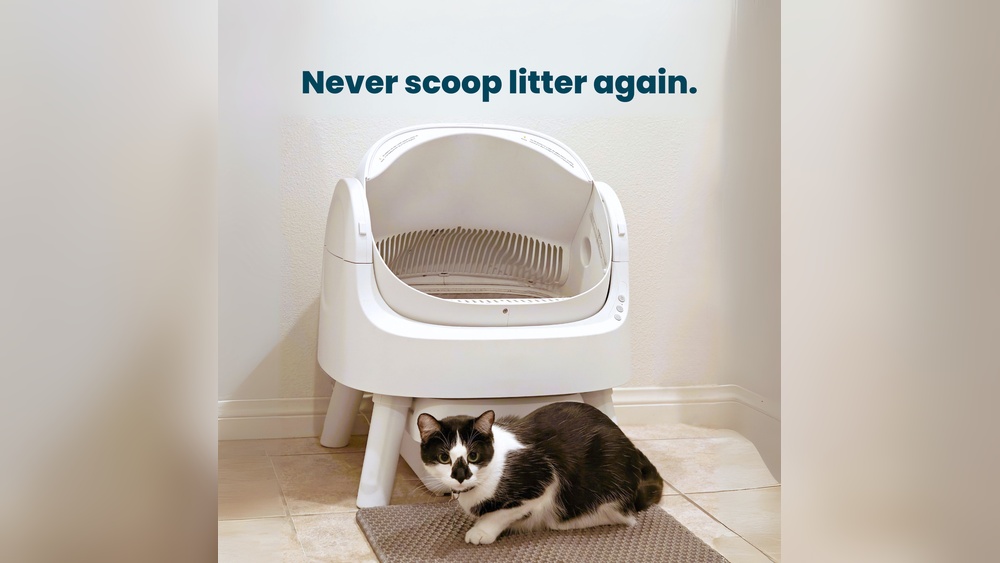
Most cat owners know that keeping the litter box clean is a daily task. It’s not just about odor control; cats are picky about cleanliness. But cleaning a litter box is never fun. This is why the self-cleaning kitty litter box is becoming popular. These smart boxes promise less work, fewer smells, and a happier cat. If you’ve heard about them but aren’t sure how they work or what to look for, this guide will help you understand everything you need to know.
How Self-cleaning Kitty Litter Boxes Work
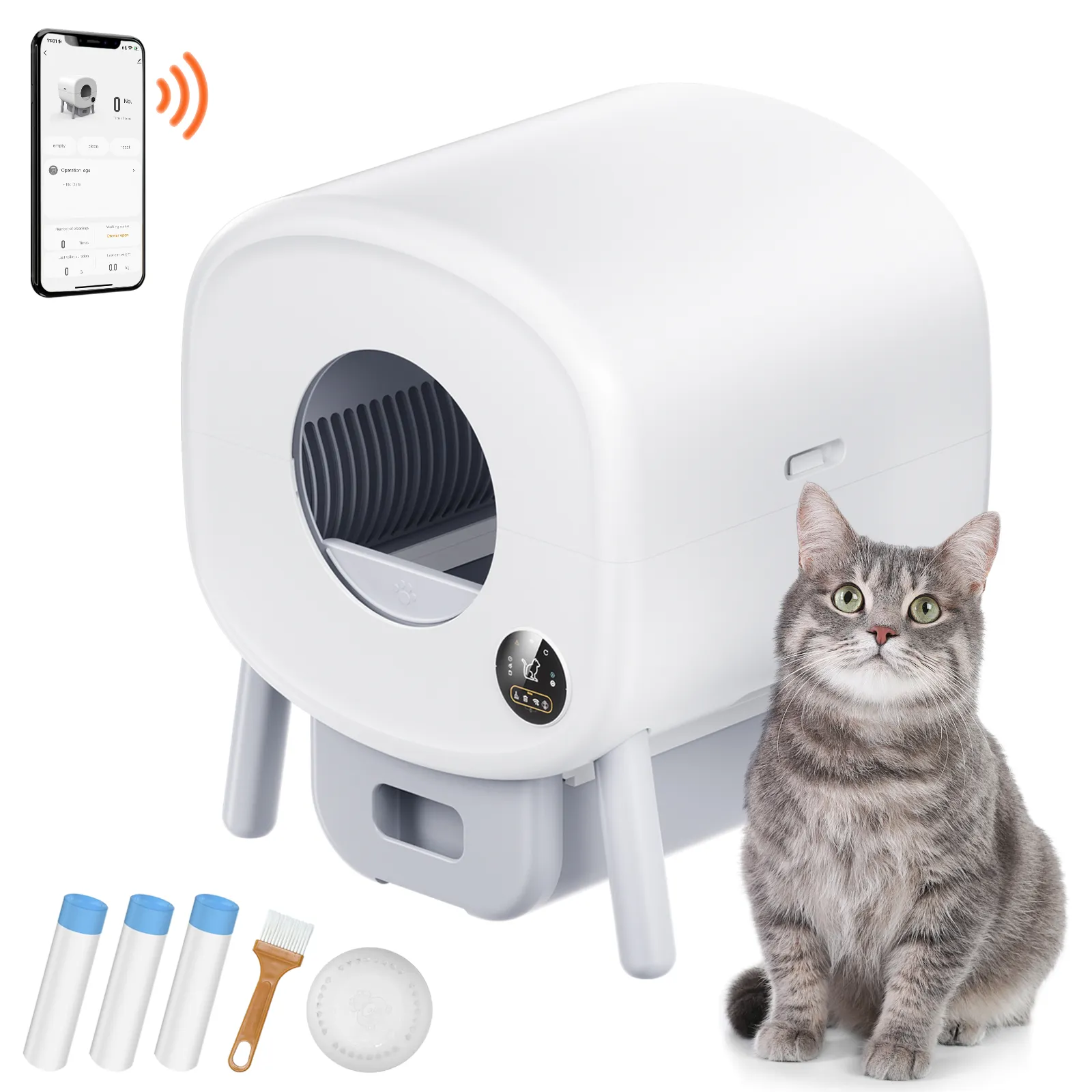
A self-cleaning litter box uses automatic mechanisms to remove waste. Most models have sensors that detect when your cat has finished using the box. A few minutes later, a rake or rotating device moves through the litter, collecting clumps into a sealed compartment. This keeps the box fresh and cuts down on manual scooping.
Some advanced models have features like waste tracking, odor control filters, and even Wi-Fi connections. These boxes can send alerts to your phone when the waste compartment is full. The technology is improving every year, making these boxes more reliable and easier to use.
Main Benefits For Cat Owners
1. Less Daily Cleaning
With automatic removal, you don’t need to scoop every day. Most boxes only require emptying the waste compartment once a week.
2. Odor Control
Sealed waste containers and carbon filters help reduce smells. This is especially useful in small apartments.
3. Healthier Environment
Cats are sensitive to dirty litter. A self-cleaning box keeps the litter fresher, lowering the risk of urinary issues and stress for your cat.
4. Time Savings
If you have multiple cats, cleaning can take up a lot of time. Automatic boxes handle the workload for you.
5. Less Contact With Waste
You don’t need to touch dirty litter as often, making the process more hygienic.
Credit: www.vevor.com
What To Look For When Buying
Choosing the right self-cleaning kitty litter box is not just about price. Here are some key factors that matter:
| Factor | Why it Matters | Example Feature |
|---|---|---|
| Size | Cats need space to turn around comfortably. | Large entry, roomy interior |
| Type of Litter | Some boxes only work with specific litter types. | Clumping clay, crystal |
| Odor Control | Helps keep your home smelling fresh. | Carbon filter, sealed waste bin |
| Ease of Maintenance | Quick emptying, easy cleaning is important. | Removable tray, dishwasher-safe parts |
| Durability | Sturdy materials last longer and handle heavy use. | Thick plastic, strong motor |
Many beginners forget to check the type of litter a box requires. If your cat doesn’t like a new litter, it may refuse to use the box. Always make sure the box works with the litter your cat prefers.
Popular Models And Their Features
Let’s compare three of the top self-cleaning litter boxes on the market today:
| Model | Automatic Cleaning | Odor Control | Compatible Litter | Price Range |
|---|---|---|---|---|
| PetSafe ScoopFree | Rake system | Disposable trays, crystals | Crystal litter | $150–$200 |
| Litter-Robot 4 | Rotating globe | Carbon filter, sealed drawer | Clumping clay | $500–$600 |
| CatGenie 120 | Washable granules, water flush | Self-cleaning, no disposable trays | Washable granules | $350–$400 |
- PetSafe ScoopFree is easy to set up and uses crystal litter. The disposable tray makes cleanup simple, but you must buy replacement trays.
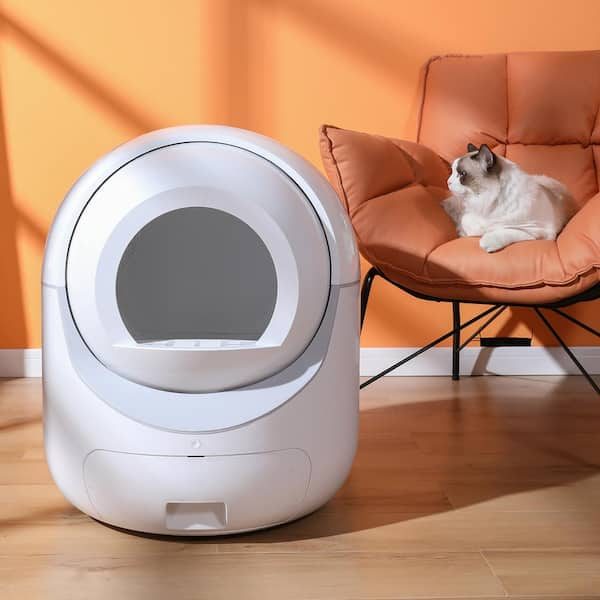
- Litter-Robot 4 has advanced sensors and can handle multiple cats. It’s expensive, but it’s the most automated, with strong odor protection and app alerts.
- CatGenie 120 is unique. It washes and flushes litter, so you never buy disposable litter again. This model needs a water hookup.
Credit: www.homedepot.com
Common Mistakes To Avoid
Many first-time buyers make these mistakes:
1. Ignoring Litter Compatibility
Not all cats accept new litter types. Test before buying.
2. Choosing A Small Box
Cats may avoid cramped spaces. Always check box dimensions.
3. Skipping Maintenance
Even automatic boxes need regular cleaning of sensors and waste compartments.
4. Overlooking Noise Level
Some boxes are loud and may scare shy cats. Look for quiet models.
5. Buying Without Reading Reviews
Customer feedback reveals real-world problems and strengths.
Practical Tips For Smooth Use
- Place the box in a quiet, private spot.
- Introduce your cat slowly. Let it sniff and explore the box before turning it on.
- If your cat is nervous, leave the box unplugged for a few days.
- Clean the sensors and moving parts monthly to prevent jams.
- If you travel often, a self-cleaning box is a huge help.
Some owners forget to check if the box fits their cat’s size. Large cats need extra space, so check measurements before buying.
Data: How Much Time And Money Can You Save?
A typical cat owner spends about 15–20 minutes per day cleaning a regular litter box. With a self-cleaning box, this drops to 5 minutes per week.
| Task | Traditional Box (Weekly) | Self-Cleaning Box (Weekly) |
|---|---|---|
| Scooping | 105 minutes | 5 minutes |
| Cleaning Box | 20 minutes | 10 minutes |
| Buying Litter | $7–$10 | $10–$15 (some models) |
Over a year, this means saving 85–90 hours of cleaning time. The cost may be higher for some models, but many owners find the time saved is worth it.
Is A Self-cleaning Litter Box Right For You?
If you want less daily cleaning, better odor control, and a happier cat, a self-cleaning kitty litter box can be a smart investment. It’s not perfect—occasional maintenance is still needed—but for busy owners or multi-cat homes, the benefits are clear. Always match the box to your cat’s needs, your budget, and your home space.
For more detailed information and recent reviews, you can check the Wikipedia Litter Box page.
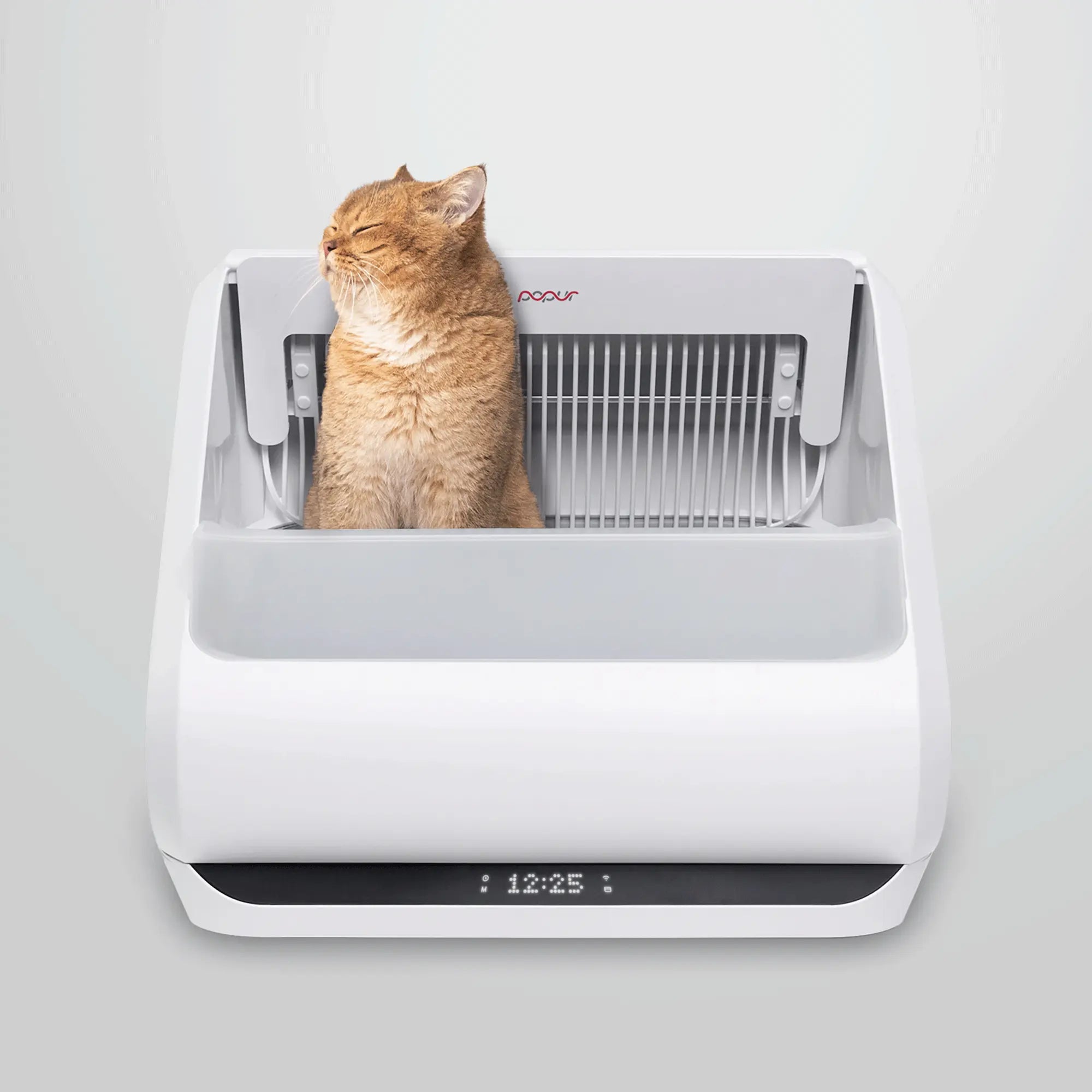
Credit: popur.com
Frequently Asked Questions
How Often Do I Need To Empty The Waste Drawer?
Most models require you to empty the waste drawer once a week. If you have multiple cats, you may need to do it more often.
Can Self-cleaning Litter Boxes Handle Large Cats?
Yes, but always check the size before buying. Some boxes are too small for big cats, causing them to avoid the box.
What If My Cat Doesn’t Use The New Box?
Introduce the box slowly. Keep the old box nearby for a few days. Some cats take time to adjust, especially to new litter.
Are Self-cleaning Boxes Noisy?
Some models make noise when cleaning. Look for “quiet operation” features if your cat is sensitive to sounds.
Do I Still Need To Clean The Box Manually?
Yes, you should clean sensors, rakes, and compartments monthly to keep everything working smoothly.
A self-cleaning kitty litter box is a practical solution for modern cat owners. It saves time, reduces odor, and keeps your cat happy. With careful choice and proper use, it can make life easier for both you and your pet.