When you want your dog to live a happy, healthy life, food is one of the most important choices. Healthy dog food is more than just filling a bowl—it’s about giving your pet the right balance of nutrients, avoiding unhealthy ingredients, and making sure every meal supports their body and mind. Many dog owners don’t realize that what they feed their dogs today can affect their health for years. In this article, you’ll learn how to pick, prepare, and serve dog food that helps your best friend thrive.
What Makes Dog Food Healthy?
The best dog food does more than keep your pet full. It gives them protein, vitamins, minerals, and other nutrients for strong muscles, shiny fur, and good energy. Healthy food also avoids things that can hurt dogs, like artificial colors, preservatives, and too much fat or sugar.
Here are key points to look for:
- High-quality protein (chicken, beef, fish)
- Whole grains or grain-free recipes if your dog is sensitive
- Healthy fats (fish oil, flaxseed)
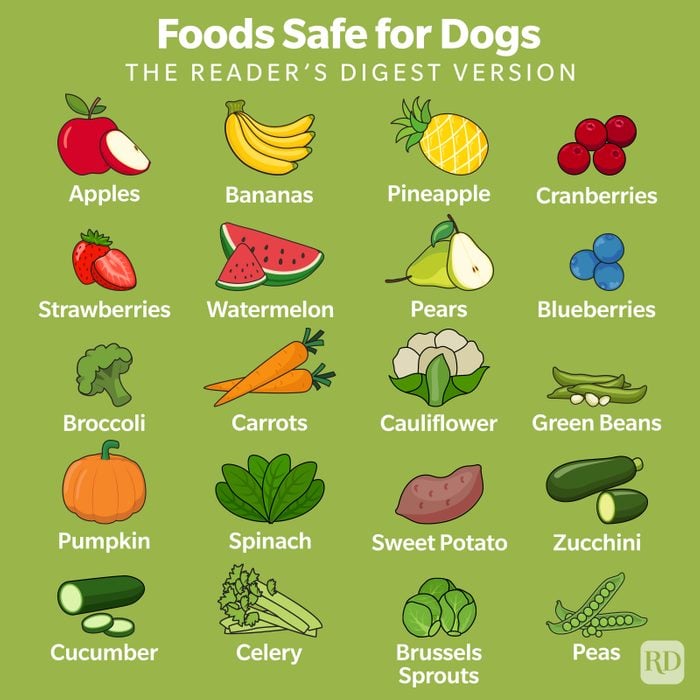
- Vegetables and fruits for fiber and antioxidants
Dogs need different nutrients at different ages, sizes, and activity levels. Puppies need more calories and protein for growth. Older dogs may need less fat and more fiber. Always check the label for the right mix.
Reading Dog Food Labels
Most people glance at dog food labels but miss important details. Understanding the label helps you avoid unhealthy choices.
Look for these on the label:
- Named protein as the first ingredient
- Simple, recognizable ingredients
- Clear statement about nutrient content
- No artificial additives
Also, watch for “by-products” or vague terms like “meat meal. ” These often mean lower-quality ingredients.
| Ingredient | Healthy? | Reason |
|---|---|---|
| Chicken breast | Yes | Lean protein |
| Wheat | Depends | Some dogs are sensitive |
| Artificial colors | No | No nutritional value |
| Fish oil | Yes | Healthy fats |
Credit: blog.petmade.com
Types Of Healthy Dog Food
There are many ways to feed your dog. Each type has benefits and drawbacks.
- Dry kibble: Easy to store, often affordable, but quality varies.
- Wet food: More moisture, can be tastier, but may spoil faster.
- Raw food: Mimics natural diet, but needs careful handling.
- Homemade food: Lets you control ingredients, but needs balanced recipes.
Some owners mix types for variety. Make sure any mix is balanced and complete.
| Type | Pros | Cons |
|---|---|---|
| Dry kibble | Convenient, affordable | Quality varies, less moisture |
| Wet food | Tasty, hydrating | Can be expensive, spoils fast |
| Raw food | Natural, high protein | Needs careful prep, risk of bacteria |
| Homemade | Customizable | Can lack nutrients, time-consuming |
Ingredients To Avoid
Not all ingredients are safe for dogs. Some are common in cheap foods but can harm your pet.
- Corn syrup: Adds sugar, can lead to obesity
- BHA/BHT: Chemical preservatives, linked to health risks
- Rendered fats: May contain unhealthy by-products
- Excess salt: Can cause kidney issues
Even foods that seem healthy may have hidden dangers. For example, grapes and onions are toxic to dogs.
Homemade Healthy Dog Food
If you want to cook for your dog, you need to plan carefully. A healthy homemade meal should have protein, carbs, healthy fat, and some fruits or veggies.
Example recipe:
- 1 cup cooked lean chicken
- 1/2 cup brown rice
- 1/4 cup carrots (chopped)
- 1/4 cup peas
- 1 tablespoon fish oil
Mix all ingredients and cool before serving. This meal offers protein, fiber, and healthy fats.
Cooking tips:
- Avoid seasoning (salt, garlic, onion)
- Use lean meats
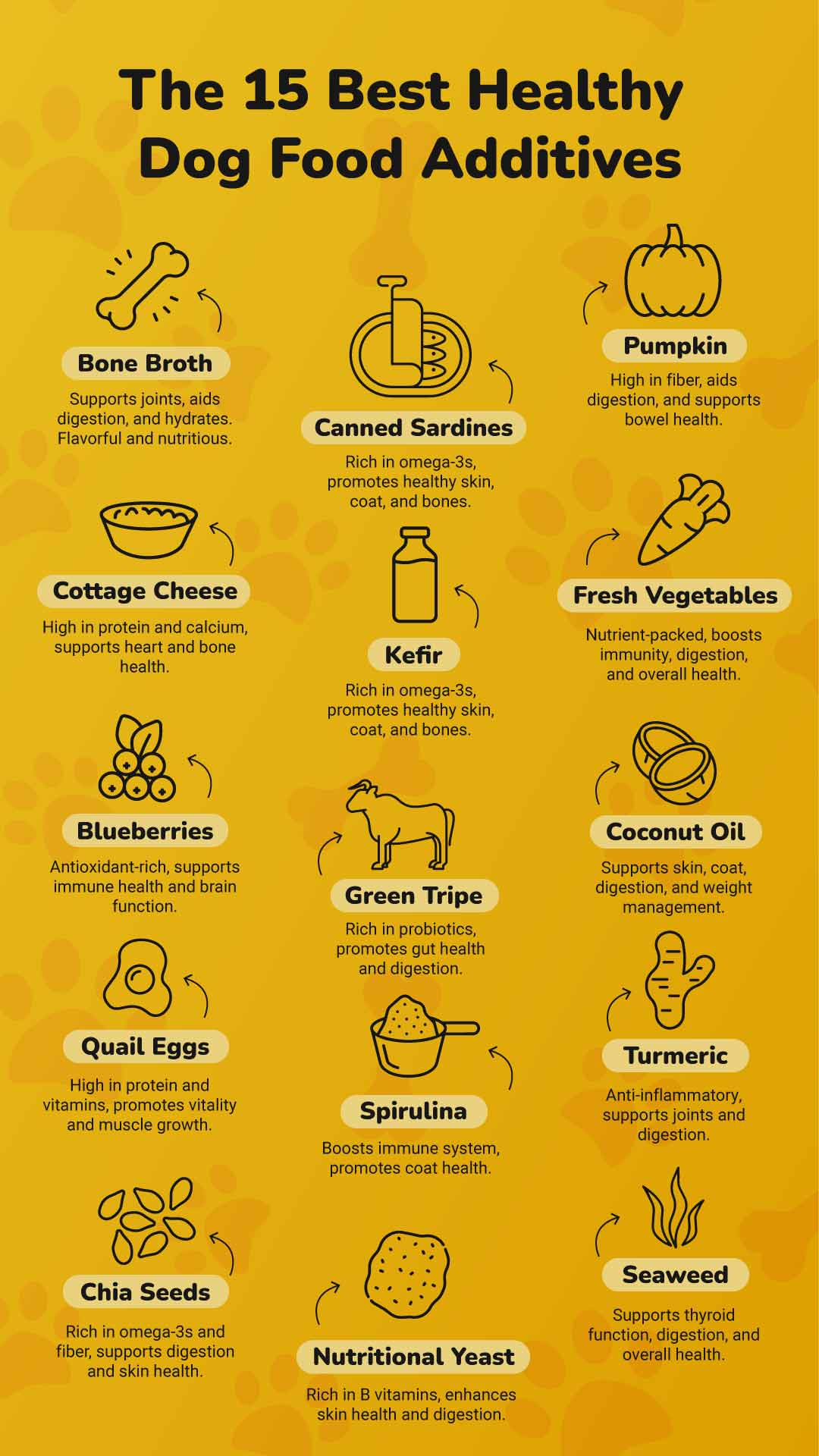
- Add a vet-approved supplement if needed
One mistake many beginners make is skipping supplements. Dogs need calcium and certain vitamins that aren’t always in homemade meals.
Choosing The Best Commercial Dog Food
When shopping for dog food, don’t just pick based on price or packaging. Focus on nutrition, brand reputation, and safety.
Here’s how to compare:
| Brand | Protein (%) | Main Ingredients | Price (per kg) |
|---|---|---|---|
| Brand A | 28 | Chicken, brown rice | $5.50 |
| Brand B | 22 | Beef, potato | $4.80 |
| Brand C | 24 | Fish, oats | $6.20 |
Look for brands with clear sourcing, no recalls, and positive reviews. If your dog has allergies, choose formulas made for sensitive dogs. For more info on dog nutrition, see AKC Nutrition Guide.
Credit: nativedogfood.com
Common Mistakes With Dog Food
Many owners make mistakes that seem harmless but can hurt their dog over time. Here are some to avoid:
- Feeding too many treats: Extra calories add up fast
- Ignoring portion sizes: Leads to overweight dogs
- Changing food suddenly: Can cause stomach upset
- Skipping vet checks: Dogs need regular health reviews
Another mistake is thinking “grain-free” is always better. Some dogs do well with grains unless they have allergies.
Practical Tips For Feeding Your Dog
- Always use a measuring cup for food
- Change food slowly, over 7-10 days
- Watch for signs of allergy: Itching, diarrhea, vomiting
- Fresh water should always be available
- Store food in a cool, dry place
Dogs are individuals. What works for one may not work for another. If you notice changes in energy, coat, or digestion, talk to your vet.
Credit: www.graniteglobalusa.com
Frequently Asked Questions
How Much Healthy Dog Food Should I Feed My Dog?
The amount depends on your dog’s size, age, and activity level. Most brands list daily portions on the bag. For example, a 20kg adult dog may need about 250–300 grams per day. Adjust if your dog gains or loses weight.
Can I Give My Dog Homemade Food Every Day?
Yes, but it must be balanced. Homemade meals need proper protein, fat, fiber, and vitamins. Many owners forget calcium and vitamin D, which are important for bones. Ask your vet for recipes and supplement advice.
What Is The Best Protein Source For Healthy Dog Food?
Chicken, beef, fish, and lamb are all good choices. Choose lean cuts and cook well. Fish provides omega-3 fats, which help skin and joints.
Are Grains Bad For Dogs?
Grains are not always bad. Many dogs digest rice, oats, and barley easily. Dogs with allergies may need grain-free food. Watch for itching or stomach problems after eating grains.
How Do I Know If My Dog’s Food Is Making Them Sick?
Look for signs like vomiting, diarrhea, skin rashes, or low energy. If you notice any of these, stop the food and contact your vet. Try switching to a simple, healthy formula until symptoms improve.
Making the right choice for your dog’s food can feel confusing, but with these tips, you’ll feel confident. Healthy dog food keeps your pet strong and happy. Remember to check labels, avoid harmful ingredients, and talk with your vet when in doubt.
Your dog depends on you for their well-being—so give them the best food you can.