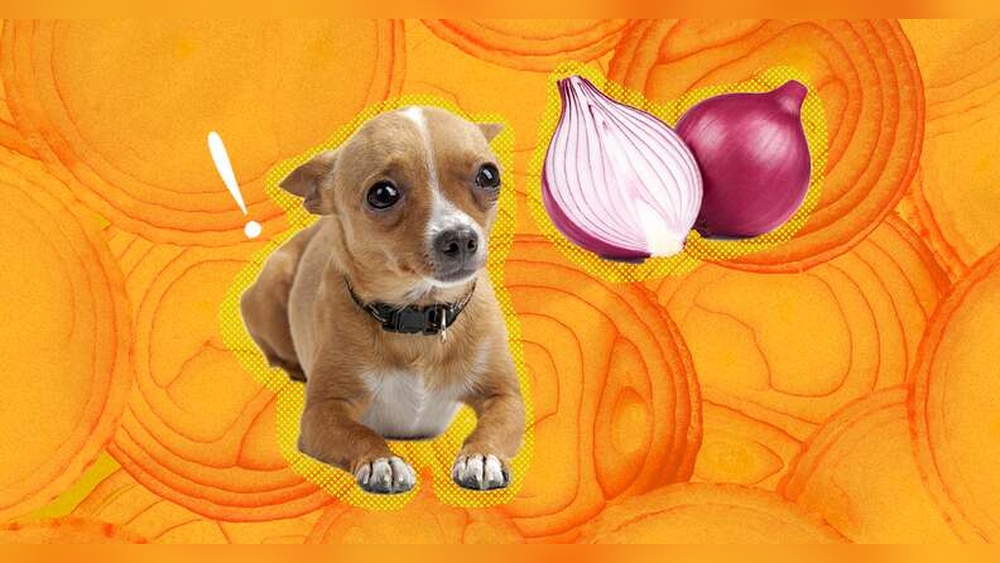
Can Dogs Eat Food With Onions
When you share your meals with your dog, you want to make sure every bite is safe. Many human foods are tempting to dogs, but not all are good for them. One common ingredient that causes concern is onions. You might wonder if a little onion in your leftovers or a small piece of cooked food is dangerous for your pet. Understanding the risks of onions for dogs can help you keep your furry friend healthy and avoid a medical emergency.
Why Onions Are Dangerous For Dogs
Onions contain a group of chemicals called thiosulfates. These are harmless for humans but toxic to dogs. When a dog eats onions, the thiosulfates can damage their red blood cells. This damage leads to a condition called hemolytic anemia, where the body cannot carry enough oxygen. Even a small amount of onion can be harmful, especially if your dog is small or eats onions often.
The toxic part of onions is present in all forms:
- Raw onions
- Cooked onions
- Onion powder
- Onion flakes
- Onion juice
This means that leftovers, soups, sauces, and even baby food with onion flavor can be risky. It’s not just about the raw vegetable — any food made with onions can be dangerous.
How Much Onion Is Too Much?
Not all exposures are the same. The risk depends on the amount eaten and the size of your dog. Studies show that as little as 0.5% of a dog’s body weight in onions can cause poisoning. For a 10 kg (22 lb) dog, that is only 50 grams of onion — about a quarter of a medium-sized onion.
Here’s a quick look:
| Dog Size | Weight (kg) | Dangerous Onion Amount (g) |
|---|---|---|
| Small | 5 | 25 |
| Medium | 15 | 75 |
| Large | 30 | 150 |
Remember, onion powder is much stronger than fresh onions. Just a small amount of powder can be very dangerous.

Credit: dragonflyproducts.co.uk
Symptoms Of Onion Poisoning In Dogs
If your dog eats food with onions, symptoms might not appear right away. Sometimes, it takes a few days to see signs because the damage builds up over time. Watch for these symptoms:
- Weakness and tiredness
- Loss of appetite
- Vomiting or diarrhea
- Red or brown urine
- Faster heartbeat
- Pale gums
- Difficulty breathing
If you notice these signs and know your dog ate onions, contact your vet immediately.
Non-obvious Symptoms
Some dogs may show unusual drooling or seem more restless than normal before other symptoms start. These early signs are easy to miss but can be important clues.
Onion In Different Foods: Hidden Dangers
Onions are found in many common foods. Even if you don’t see pieces, they might be in the ingredients. Here are some examples:
- Pizza, burgers, and sandwiches: Sauces and toppings often contain onion or onion powder.
- Soups and stews: Almost always start with onion.
- Gravy, stuffing, and casseroles: Onion flavor is a base in many recipes.
- Baby food: Some brands use onion powder for taste.
- Takeout and restaurant food: You might not know all the ingredients.
Be careful with leftovers and snacks. Always check ingredient lists before sharing with your dog.
Comparison: Onion Vs. Garlic And Other Foods
Onions are not the only food in the allium family that is dangerous for dogs. Garlic, leeks, and chives are also toxic. Garlic is even stronger than onion in small amounts.
Let’s compare their toxicity:
| Food | Toxicity Level | Common Uses |
|---|---|---|
| Onion | High | Soups, sauces, cooked dishes |
| Garlic | Very High | Pasta, breads, marinades |
| Leek | Medium | Soups, salads |
| Chive | Medium | Garnish, salads |
What To Do If Your Dog Eats Food With Onions
If you think your dog ate onions, act quickly. Early treatment helps prevent serious problems.
- Stay calm. Don’t panic — fast action is best.
- Check the amount. Estimate how much onion your dog ate. Take note of your dog’s weight and size.
- Call your vet. Give them all the details. They may ask you to come in or watch for signs.
- Don’t try home remedies. Don’t give your dog milk, oil, or induce vomiting unless your vet tells you.
- Watch for symptoms. Keep an eye on your dog for 1–3 days.
When To Go To The Emergency Vet
If your dog ate a lot of onion or is already showing symptoms, go to the vet or animal hospital right away. Severe cases need oxygen therapy, IV fluids, and sometimes blood transfusions.
Credit: www.houndsy.com
Treatment For Onion Poisoning
Treatment depends on how much onion your dog ate and how quickly you get help.
- If you act quickly: The vet may induce vomiting or give activated charcoal to stop absorption.
- If symptoms appear: The vet may provide IV fluids, oxygen, or even a blood transfusion for severe anemia.
- Hospital stay: Your dog may need to stay for monitoring and supportive care.
Most dogs recover if treated early, but delays can lead to organ damage or even death.
How To Prevent Onion Poisoning
Prevention is the best protection. Here are some practical steps:
- Never feed your dog foods with onion. Check all ingredients, especially in prepared or restaurant meals.
- Keep onions out of reach. Store onions, powders, and leftovers safely.
- Educate family and guests. Not everyone knows onions are toxic to dogs.
- Check treats and snacks. Some dog treats from other countries may contain onion powder.
- Be careful with compost and trash. Dogs sometimes eat food scraps from bins.
Non-obvious Prevention Tips
- Beware of cooked bones: Leftover bones may have onion seasoning even if you can’t see it.
- Read pet food labels: Some low-quality brands use onion powder as a flavor booster.
Are Any Types Of Onion Safe For Dogs?
No form of onion is safe for dogs. It does not matter if the onion is cooked, raw, dried, or in powder form. Cooking does not remove the toxins. Even foods labeled as “natural” or “organic” with onion still pose the same risk.
Myths And Misunderstandings
Many people believe a small amount of onion is harmless, or that cooked onion is safe. This is not true. Dogs can react to very small amounts, especially if they eat a little bit often. Another myth is that certain breeds are immune.
In reality, all dogs are at risk, but some breeds (like Akitas and Shibas) are even more sensitive.
What Dogs Are More At Risk?
Some dogs are more sensitive to onions:
- Small breeds: They reach toxic levels faster because of lower body weight.
- Older dogs: Their organs may not handle toxins as well.
- Dogs with health problems: Dogs with anemia or liver issues are at higher risk.
- Certain breeds: Akita and Shiba Inu are more likely to have severe reactions.
Safe Alternatives To Onion-flavored Foods
If you want to share tasty foods with your dog, there are safer options. Try these instead of onion:
- Carrots: Sweet, crunchy, and safe.
- Pumpkin: Good for digestion.
- Green beans: Low-calorie snack.
- Blueberries: Packed with vitamins.
You can make your own dog treats with these safe ingredients. Avoid any flavorings that include onion or garlic.
Data: Cases Of Onion Poisoning In Dogs
Cases of onion poisoning are not rare. According to the ASPCA Animal Poison Control Center, hundreds of dogs each year are treated for eating onions or related foods. Most cases happen by accident — a dropped sandwich, a shared pizza slice, or leftovers given as a treat.
Here’s a summary of reported cases:
| Year | Reported Cases | Outcome |
|---|---|---|
| 2020 | 320 | Most recovered with vet care |
| 2021 | 285 | Few severe cases, 2 deaths |
| 2022 | 340 | All but 5 recovered |
The numbers show that while most dogs survive, quick action is crucial.
Should You Ever Feed Leftover Human Food?
Feeding leftovers is tempting but risky. Besides onions, many foods we enjoy are not safe for dogs, such as chocolate, grapes, and cooked bones. The best way to show love is with food that is made just for dogs. If you want to treat your pet, use plain cooked meat, rice, or vegetables you know are safe.
Final Thoughts
Keeping your dog safe means understanding what foods are dangerous. Onions in any form are toxic for dogs, and the risk is higher than many people think. It’s important to read labels, ask about ingredients, and teach everyone in your home about the dangers. If you suspect your dog has eaten food with onions, do not wait for symptoms — contact your vet right away. With quick action and good habits, you can keep your dog healthy and avoid a painful emergency.
For more on pet food safety, you can read detailed information at the Wikipedia page on Allium poisoning.
Frequently Asked Questions
What Should I Do If My Dog Eats A Small Piece Of Onion?
If your dog eats even a small amount of onion, watch closely for symptoms like weakness or vomiting. Call your vet for advice, especially if your dog is small or has health problems. Do not wait for signs to appear.
Can Dogs Eat Food With Cooked Onions?
No, cooked onions are just as dangerous as raw onions. Cooking does not remove the toxic chemicals. Never give your dog any food with onion, even if it’s cooked.
Are Onion Powders And Onion-flavored Foods Dangerous For Dogs?
Yes, onion powder is even more concentrated than fresh onions. Foods flavored with onion powder, such as soups, chips, and sauces, can be very harmful. Always check ingredient labels before sharing human food with your dog.
How Long Does It Take For Onion Poisoning Symptoms To Show?
Symptoms can appear within one day, but sometimes it takes up to three days. Watch your dog for signs like tiredness, red urine, or pale gums if you know they ate onions.
What Is The Treatment For Onion Poisoning In Dogs?
Treatment depends on how much was eaten and when. The vet may make your dog vomit, give activated charcoal, or provide IV fluids. Severe cases might need oxygen or a blood transfusion. Early treatment greatly improves the chance of recovery.
Credit: www.houndsy.com