Cats are more than just pets—they are family members who depend on us for everything, especially their nutrition. Choosing good dry food for cats can feel overwhelming, with so many brands and claims on the market. This article will help you understand what makes a dry cat food high quality, what to look out for, and how to make the best choice for your feline friend.
What Makes A Good Dry Cat Food?
Not all dry foods are the same. The best options focus on high protein, balanced nutrients, and digestibility. Cats are obligate carnivores, meaning they need animal-based proteins more than dogs or humans. Look for dry food with meat or fish as the first ingredient. Avoid foods where corn or wheat are the main ingredients, as these provide less nutrition for cats.
High-quality dry cat foods will also include essential fatty acids like omega-3 and omega-6. These support your cat’s skin, coat, and immune system. Some brands add vitamins, minerals, and even probiotics for digestive health.
Key Factors When Choosing Dry Cat Food
Choosing the right food means looking beyond the packaging. Here are the most important factors:
- Protein Source: Real meat or fish should be the main ingredient.
- Grain Content: Some cats do well with grains, but many benefit from grain-free recipes.
- Additives: Look for added vitamins, minerals, and amino acids like taurine.
- Life Stage: Kittens, adults, and senior cats need different nutrition.
- Allergies or Sensitivities: Some cats are sensitive to certain proteins or grains.
Example Of Ingredient List Comparison
Below is a comparison of two dry cat food ingredient lists:
| Brand | Main Protein | First Ingredient | Grain-Free |
|---|---|---|---|
| Brand A | Chicken | Deboned Chicken | Yes |
| Brand B | Fish | Corn | No |
Notice how Brand A uses deboned chicken and is grain-free—often a better choice than Brand B, which uses corn as the main ingredient.
Credit: www.businessinsider.com
Top Ingredients To Look For
The best dry cat foods include:
- Animal protein: Chicken, turkey, salmon, or lamb.
- Healthy fats: Chicken fat, fish oil, or flaxseed.
- Digestible carbohydrates: Sweet potatoes, peas, or lentils.
- Added nutrients: Taurine, vitamins E and A, zinc, and probiotics.
Avoid foods with a lot of fillers like by-products, artificial colors, and chemical preservatives.
Popular High-quality Dry Cat Foods
Some brands have a strong reputation for quality. Here are a few examples:
- Orijen Cat & Kitten: High protein, grain-free, with 90% animal ingredients.
- Wellness CORE Grain-Free: Focuses on protein from chicken and turkey.
- Blue Buffalo Wilderness: High protein, no by-product meals or artificial preservatives.
- Hill’s Science Diet: Developed with veterinary nutritionists, often recommended for health issues.
- Royal Canin: Popular for cats with sensitive stomachs or special needs.
These brands are not always the cheapest, but investing in quality food can reduce vet bills over time.

Credit: www.walmart.com
Understanding Guaranteed Analysis
Every cat food bag lists a guaranteed analysis with percentages for protein, fat, fiber, and moisture. Here’s what those numbers mean for your cat:
| Nutrient | Minimum Percentage | Purpose |
|---|---|---|
| Protein | 30%+ | Muscle & tissue health |
| Fat | 12%–20% | Energy & coat |
| Fiber | 2%–5% | Digestion |
| Moisture | 10% max | Freshness |
Aim for higher protein and moderate fat. Too much fiber may mean lots of fillers.
Dry Food For Different Life Stages
Cats have changing nutritional needs as they grow:
- Kittens: Need more protein, fat, and calories for growth.
- Adults: Require balanced maintenance formulas.
- Seniors: Often need fewer calories but more fiber for digestion.
Choosing food matched to your cat’s life stage supports their health and energy.
Life Stage Nutritional Needs
| Life Stage | Protein (%) | Fat (%) | Notes |
|---|---|---|---|
| Kitten | 35–45 | 18–22 | High energy, rapid growth |
| Adult | 30–40 | 15–20 | Maintenance |
| Senior | 28–38 | 10–15 | Lower calorie, more fiber |
Common Mistakes When Buying Dry Cat Food
Many cat owners make the same errors:
- Choosing only by price: Cheap foods often use fillers that are less nutritious.
- Ignoring the ingredient list: Marketing words like “premium” mean little without real ingredients.
- Switching foods too quickly: Changing food suddenly can upset your cat’s stomach.
- Not considering health needs: Overweight, allergic, or sensitive cats may need special formulas.
Always read the label and introduce new foods slowly, mixing them with the old over a week.
Hidden Insights For Cat Owners
Many people believe that all cats drink enough water with dry food, but this is not true. Cats often don’t feel thirsty, leading to dehydration and urinary problems. If you feed mainly dry food, always offer fresh water and consider adding a water fountain.
Another point: not all “grain-free” foods are better. Some use potato or pea fillers, which can also be hard for cats to digest. Look for a balance between protein and low-glycemic carbs.
When To Consult A Veterinarian
If your cat has health issues like kidney disease, diabetes, or allergies, you should talk to your vet before changing food. Some cats need prescription diets with controlled nutrients. Vets can offer advice based on blood tests and overall health.
You can also find more details on feline nutrition at the Cornell Feline Health Center.
Frequently Asked Questions
What Is The Best Protein Source In Dry Cat Food?
Chicken, turkey, and fish are excellent protein sources for cats. They are easy to digest and provide essential amino acids. Always check that an animal protein is the first ingredient.
Is Grain-free Dry Food Always Better For Cats?
Not always. Some cats do well with grains like rice or oats. Grain-free foods sometimes use other fillers. Focus more on the protein content and the main ingredients.
How Much Dry Food Should I Feed My Cat?
The amount depends on your cat’s age, size, and activity level. Start with the feeding guide on the bag, then adjust based on your cat’s body condition. Ask your vet if you are unsure.
Can I Feed My Cat Only Dry Food?
You can, but make sure your cat drinks enough water. Dry food is convenient, but mixing with wet food or adding water can help prevent dehydration and urinary issues.
How Do I Switch My Cat’s Dry Food?
Change slowly. Mix a small amount of the new food with the old, increasing the new food each day over a week. This helps avoid stomach upset.
Choosing good dry food for cats means more than just picking a popular brand. It’s about reading labels, understanding your cat’s needs, and being willing to adjust as your cat grows or health changes. With the right dry food, you help your cat live a happier, healthier life.
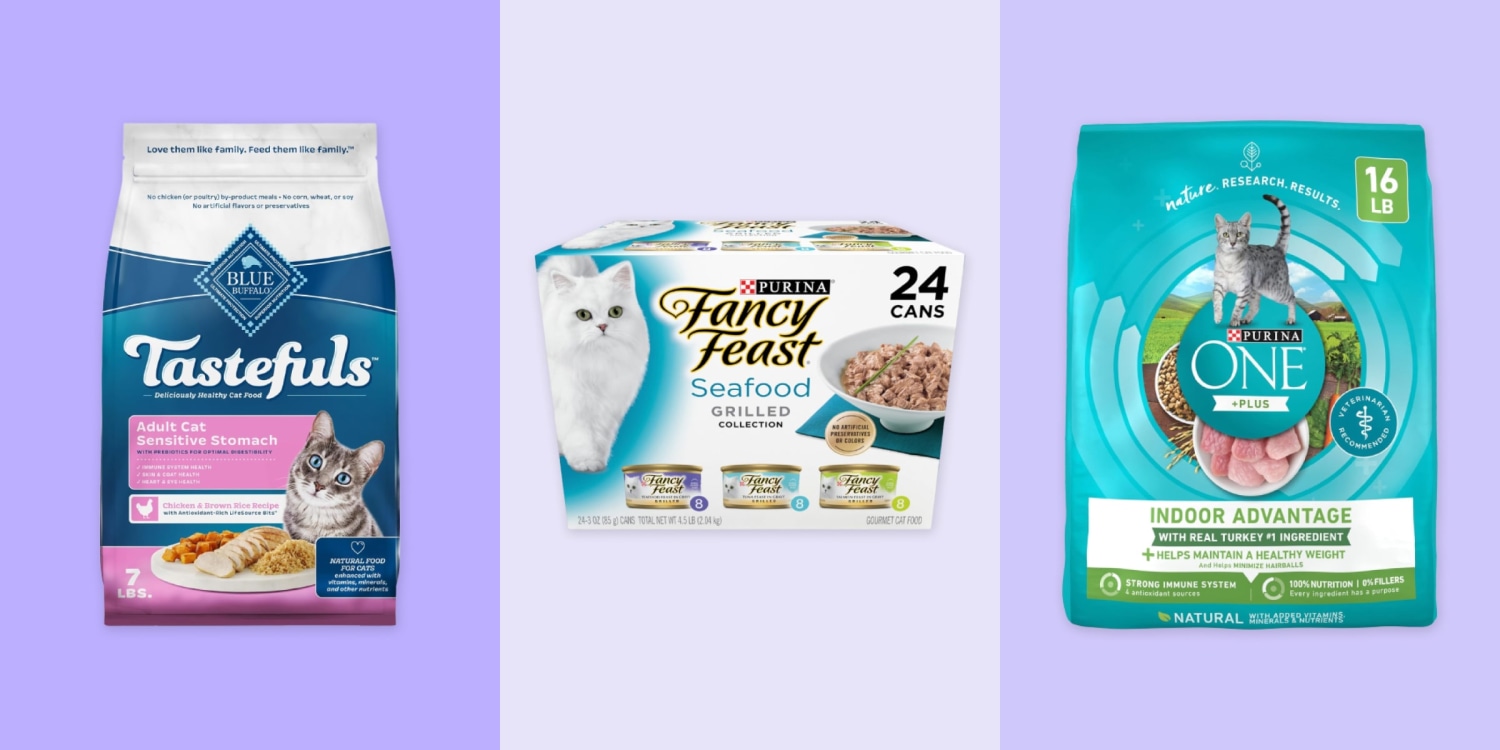
Credit: www.nbcnews.com