Many cat owners want the best for their pets, but choosing the right food can be confusing. The options on store shelves seem endless, and marketing claims can make it even harder. If you care about your cat’s health, it’s wise to look for veterinary recommended cat foods. These options are chosen based on science, not just popularity or trends. In this guide, you’ll discover what makes certain cat foods stand out, why vets trust them, and how to pick the best one for your furry friend.
What Makes Cat Food Veterinary Recommended?
Not all cat foods are equal. When veterinarians recommend a brand, it’s usually for these key reasons:
- Balanced nutrition: Provides the right amounts of protein, fat, vitamins, and minerals.
- Quality ingredients: Uses real meat, safe grains, and few fillers.
- Digestibility: Easy for cats to digest and absorb nutrients.
- Safety and testing: Made in facilities with strict quality controls and regular testing.
Many foods that are “vet recommended” are also tested in feeding trials, not just made to meet legal standards. This means real cats have eaten the food with good results.
Top 7 Veterinary Recommended Cat Foods
To help you choose, here are seven of the most trusted cat food brands that veterinarians often suggest. Each one is backed by science and used in vet clinics worldwide.
1. Hill’s Science Diet
Hill’s Science Diet is known for its research-backed formulas. It offers options for kittens, adults, and senior cats. Many vets use it for cats with health issues like kidney disease or sensitive stomachs.
- Uses high-quality animal proteins.
- Contains antioxidants for immune support.
- No artificial colors or flavors.
2. Royal Canin
Royal Canin is famous for its breed-specific and health-focused foods. It has formulas for weight control, urinary health, and hairball reduction.
- Uses precise nutrition for different needs.
- Special shapes and sizes for different breeds.
- Often recommended for medical conditions.
3. Purina Pro Plan
Purina Pro Plan is a favorite for both healthy cats and those with allergies or digestive issues. The company uses strong research and clinical studies.
- Real meat is the first ingredient.
- Fortified with live probiotics.
- Good range for kittens, adults, and seniors.
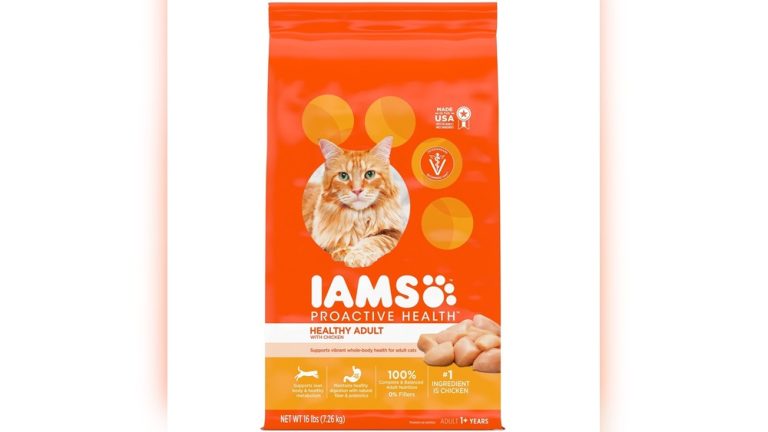
4. Iams Proactive Health
Iams ProActive Health is popular for its balance of price and quality. It supports strong muscles and a healthy heart.
- Contains omega-6 for shiny fur.
- Blend of fibers for digestion.
- Widely available and affordable.
5. Blue Buffalo Veterinary Diet
Blue Buffalo has a special veterinary diet line for cats with specific health problems, like urinary issues or food sensitivities.
- Grain-free options available.
- Uses natural ingredients.
- No chicken by-product meals.
6. Nutro Wholesome Essentials
Nutro focuses on simple, non-GMO ingredients. Vets often recommend it for cats with food sensitivities.
- Farm-raised chicken or salmon.
- No artificial preservatives.
- Good for cats with allergies.
7. Wellness Complete Health
Wellness Complete Health uses a holistic approach. It’s designed for overall well-being and long life.
- High protein from real meat.
- Added taurine for heart health.
- Grain-free and grain-inclusive options.
Comparing Top Cat Foods
It’s helpful to see how these foods stack up side by side. Here’s a look at protein, main ingredient, and special features.
| Brand | Main Protein Source | Notable Features |
|---|---|---|
| Hill’s Science Diet | Chicken | Antioxidants, vet formulas |
| Royal Canin | Chicken, Pork | Breed/condition-specific |
| Purina Pro Plan | Salmon, Chicken | Probiotics, clinical studies |
| Iams ProActive Health | Chicken | Omega-6, affordable |
How To Choose The Best Cat Food
Cats are unique, and the best food depends on their age, health, and preferences. Here’s what to think about:
- Life stage: Kittens, adults, and seniors need different nutrients.
- Health issues: Some foods help with kidney, urinary, or digestive problems.
- Activity level: Indoor cats may need fewer calories than outdoor cats.
- Food type: Dry, wet, or a mix? Wet food gives extra water, helpful for cats who don’t drink much.
It’s smart to ask your vet before switching foods, especially if your cat has a medical condition. They can suggest the right choice and how to change foods slowly.
Credit: tequestaveterinaryclinic.com
Wet Vs. Dry: Which Is Better?
Many owners ask if wet or dry food is best. Each has pros and cons.
| Type | Advantages | Drawbacks |
|---|---|---|
| Wet | Higher water, easy to eat | More expensive, short shelf life |
| Dry | Less costly, easy to store | Lower moisture, can cause dehydration |
Some cats do best with a mix of both. Wet food can help prevent urinary problems, while dry food can help keep teeth clean.
Common Mistakes When Choosing Cat Food
Many owners make simple errors:
- Ignoring life stage: Feeding kitten food to adults can cause weight gain.
- Switching foods too fast: This can upset your cat’s stomach.
- Choosing by price alone: Cheap foods may lack nutrients.
- Believing all “grain-free” is better: Some cats do well with grains.
One non-obvious tip: always check the first three ingredients. If they are real meat or fish, it’s a good sign. Another insight: look for the AAFCO statement on the label, which means the food meets basic nutritional standards.
The Role Of Veterinary Prescription Diets
Sometimes, cats need special prescription foods. These are made for health issues like kidney disease, diabetes, or allergies. Prescription diets are not for healthy cats, but they can be life-changing for sick ones. Your vet can help decide if one is needed.
Ingredient Quality And Label Reading
Learning to read labels can help you spot good food. Look for named meats (like “chicken” or “salmon”) and avoid vague terms (“meat by-product”). Also, check for added vitamins and minerals, as these are important for health.

Credit: jordanianschoolqatar.com
Where To Buy Vet-recommended Cat Food
You can find most vet-recommended brands at pet stores, vet clinics, or online. Some prescription diets need a vet’s note. Always buy from trusted sellers to avoid counterfeit products.
For more on pet nutrition, you can check this Veterinary Partner resource.
Frequently Asked Questions
What Is The Healthiest Cat Food According To Vets?
Hill’s Science Diet and Royal Canin are often named as top choices. They are balanced, well-tested, and used in vet clinics worldwide.
How Do I Know If My Cat Food Is Really Vet Recommended?
Look for brands with scientific research, AAFCO approval, and foods sold at vet clinics. Ask your vet for their top three picks.
Is Grain-free Cat Food Always Better?
Not always. Some cats need grains for energy. Grain-free is good for allergies but isn’t healthier for every cat.
Can I Switch My Cat’s Food Suddenly?
No. Change slowly over 7–10 days by mixing old and new food. Sudden changes can cause vomiting or diarrhea.
Should I Choose Wet Or Dry Cat Food?
Both have benefits. Wet food gives extra water and is good for kidney health. Dry food is easier to store and can help with teeth. Many vets suggest a mix.
Choosing the best cat food veterinary recommended is more than following trends. It’s about understanding your cat’s needs, reading labels, and trusting science. With the right food, your cat will stay healthy, happy, and with you for many years.

Credit: unifi.com