

Dog ear infections are a common problem for many pet owners. If your dog is shaking its head, scratching its ears, or you notice a bad smell, it might be a sign of an ear infection. Using the right ear drops can help your dog feel better and prevent more serious health issues. But with so many options, it’s important to know which ear drops are safe, how to use them, and what mistakes to avoid.
Understanding Dog Ear Infections
Dog ear infections often develop because of bacteria, yeast, or even ear mites. Dogs with floppy ears or those who swim often are at higher risk. Moisture, allergies, or too much hair in the ear can also make things worse.
Some signs of ear infection include:
- Red or swollen ears
- Bad odor from the ear
- Yellow or brown discharge
- Head tilting or loss of balance
If you notice any of these, it’s time to check with your vet before starting any treatment.
How Ear Drops Work For Dog Ear Infections
Ear drops are specially designed to treat the cause of the infection. Most contain ingredients that fight bacteria, yeast, or mites. Some drops also have anti-inflammatory or pain relief ingredients to make your dog more comfortable.
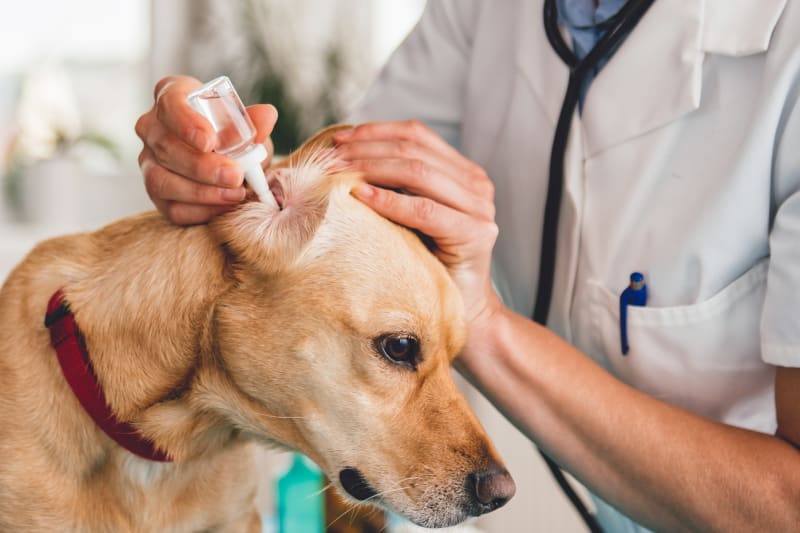
Using ear drops usually involves these steps:
- Clean the ear gently (if your vet says it’s safe).
- Apply the correct number of drops.
- Massage the base of the ear to help the medicine spread.
- Allow your dog to shake its head, which helps remove debris.
Credit: www.vmsg.com
Types Of Ear Drops For Dog Ear Infection
There are several types of ear drops. Choosing the right one depends on the cause of infection and your dog’s health.
| Type of Ear Drop | Main Ingredient | Target Problem |
|---|---|---|
| Antibiotic drops | Gentamicin, Neomycin | Bacterial infection |
| Antifungal drops | Clotrimazole, Miconazole | Yeast infection |
| Anti-mite drops | Pyrethrin | Ear mites |
| Steroid drops | Dexamethasone, Hydrocortisone | Inflammation, itching |
Most infections need a combination product that fights both bacteria and yeast, plus something for inflammation.
Prescription Vs. Over-the-counter Ear Drops
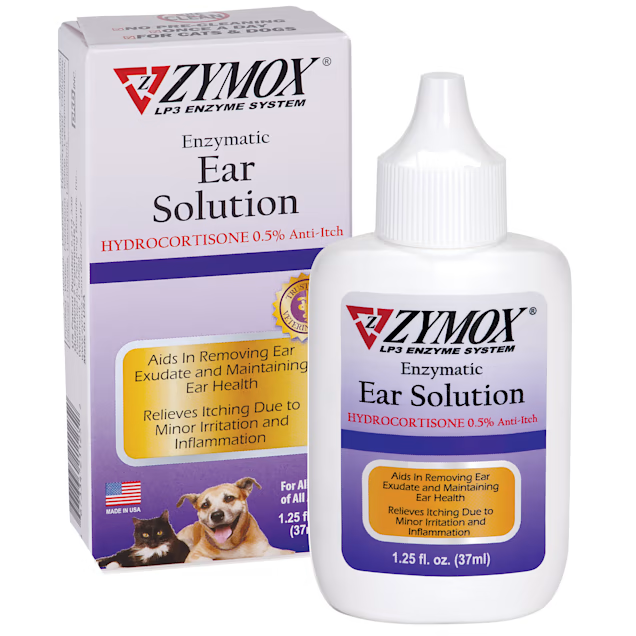
Your vet may prescribe ear drops if the infection is serious, or you can buy some products at the store. Here’s a quick comparison:
| Feature | Prescription Drops | Over-the-Counter Drops |
|---|---|---|
| Effectiveness | High, for specific infections | Mild or general use |
| Safety | Vet checks ear drum before use | Risk if used without diagnosis |
| Cost | Usually higher | Lower |
| Usage | Tailored to your dog | One size fits all |
Prescription drops are usually more effective and safer because the vet checks for eardrum damage first. Using the wrong drop can make things worse, especially if the ear drum is torn.
Credit: www.petco.com
How To Choose The Right Ear Drops
Picking the right ear drops is important for your dog’s recovery. Here are the main things to consider:
- Diagnosis: Always ask a vet to check your dog’s ear. The cause could be bacteria, yeast, or mites, and the treatment is different for each.
- Active Ingredient: Read the label to make sure the drop treats the right problem.
- Vet Recommendation: Never use ear drops meant for humans or other pets.
- Safety: If your dog’s ear drum is damaged, some drops can cause deafness.
- Ease of Application: Some drops are thicker and stay in the ear longer, reducing how often you need to apply them.
Many beginners think any ear drop will work, but using the wrong type can delay healing or even harm your dog.
Using Ear Drops: Step-by-step Guide
Applying ear drops can be tricky, especially if your dog is nervous. Here’s a simple method:
- Prepare everything before you start. Have cotton balls, the ear drops, and treats nearby.
- Clean the ear gently with a vet-approved solution. Never push cotton swabs deep into the ear.
- Apply the drops as directed. Hold the ear flap up, place the tip at the opening, and squeeze the bottle.
- Massage the base of the ear for about 30 seconds. This helps the medicine reach deep inside.
- Reward your dog with praise or a treat.
Don’t stop treatment early, even if your dog seems better. Infections can come back if not fully treated.
Common Mistakes When Using Ear Drops
Many pet owners make these mistakes:
- Using human ear drops, which can be toxic
- Not finishing the full course of treatment
- Forgetting to check for a torn ear drum
- Cleaning too often, causing irritation
- Ignoring allergies, which can cause repeated infections
If your dog’s ear gets worse, stop the drops and see your vet right away.
When To See A Vet
You should always visit the vet if:
- The ear is bleeding or has a lot of discharge
- Your dog is in pain or cries when you touch the ear
- The infection does not improve after a few days of treatment
- Your dog loses balance or acts confused
Vets can do tests like cytology (looking at cells under a microscope) to pick the best treatment.

Credit: www.veracartolano.com
Ingredients To Avoid
Some products contain alcohol, hydrogen peroxide, or strong acids. These can make pain and inflammation worse. Always check the label and ask your vet if you are unsure.
Preventing Future Ear Infections
Prevention is better than cure. Here are some tips:
- Dry your dog’s ears after swimming or bathing
- Trim hair around the ear canal if your vet recommends
- Use a gentle cleaner once a week if your dog is prone to infections
- Treat allergies that may affect your dog’s ears
Dogs with healthy ears are happier and have fewer vet visits.
Frequently Asked Questions
What If My Dog Hates Ear Drops?
Try to stay calm and gentle. Use treats, and have someone help hold your dog. Some dogs do better with sprays or gels.
Can I Use Coconut Oil Or Home Remedies?
Home remedies can make things worse or hide the real problem. Only use treatments approved by your vet.
How Long Does It Take For Ear Drops To Work?
Most dogs improve in 2–5 days. Always finish the full course, even if your dog seems better.
Are Ear Infections In Dogs Contagious?
Most are not, but ear mites can spread to other pets. Clean bedding and treat all pets if needed.
Where Can I Learn More About Dog Ear Care?
You can read more at the American Veterinary Medical Association for trusted advice.
Dog ear infections are common but treatable. With the right ear drops and good ear care habits, you can help your dog avoid pain and stay healthy. Always listen to your vet’s advice, and never guess when it comes to your pet’s health.