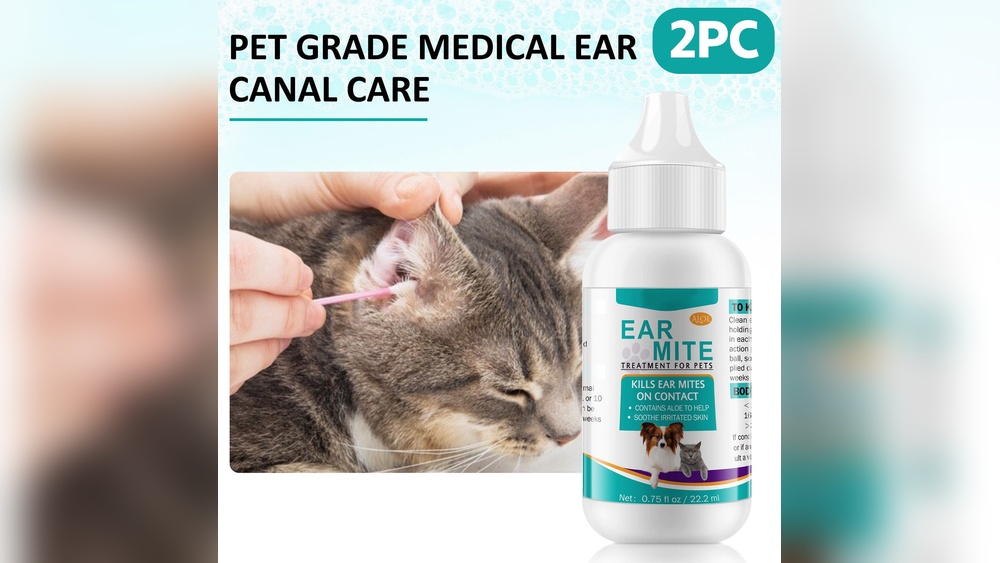
Keeping your cat’s ears clean is a key part of their overall health. Many cat owners do not realize how much ear hygiene can affect their pet’s comfort and well-being. Dirty ears can lead to discomfort, infections, and even hearing loss if ignored. But not all ear cleaners are safe for cats. Some products can irritate or even harm your cat’s sensitive ear canal. That’s why using a vet approved ear cleaner for cats is so important. With the right product and technique, you can help your cat stay happy, healthy, and free from ear problems.
Why Cat Ear Cleaning Matters
A cat’s ear canal is long and L-shaped, which makes it easy for debris, wax, and moisture to get trapped inside. This creates a perfect environment for bacteria and yeast to grow. Cats that scratch their ears, shake their heads, or show signs of discomfort may already have buildup or an infection. Regular cleaning with a vet-approved solution helps prevent these issues and can also make it easier for your vet to spot early signs of trouble.
One insight many owners miss: some breeds like Scottish Folds or cats with allergies are more prone to ear problems. Even indoor cats can develop ear issues if not checked regularly.
What Makes An Ear Cleaner “vet Approved”?
Not every pet ear cleaner is safe for cats. Some products marketed for dogs are too harsh or contain ingredients that harm felines. Vet approved cleaners are tested for safety and effectiveness in cats. They usually have:
- Gentle ingredients: No alcohol or harsh chemicals.
- Proper pH balance: Matches the natural acidity of a cat’s ear.
- Antimicrobial properties: Helps control yeast and bacteria.
- Non-irritating formulas: Reduces the risk of allergic reactions.
Here’s a quick comparison between common types of ear cleaners:
| Type | Key Ingredients | Safe for Cats? |
|---|---|---|
| Alcohol-based | Isopropyl alcohol | No |
| Vet approved | Saline, lactic acid, gentle cleansers | Yes |
| Dog-only | Phenol, strong detergents | No |

Credit: zymox.com
How To Choose The Right Ear Cleaner
With so many products on the market, it can be hard to know which is best for your cat. Here are the main factors to consider:
- Veterinary recommendation: Always choose a cleaner your vet suggests or that is labeled as safe for cats.
- No added fragrances: Perfumes can cause irritation.
- Type of problem: Some cleaners are for regular maintenance, others for treating infections.
- Ease of use: A squeeze bottle or dropper makes cleaning easier.
- Price and availability: Vet-approved products may cost more but are safer.
Never use homemade solutions like vinegar or hydrogen peroxide, as these can worsen ear problems.
Step-by-step: Cleaning Your Cat’s Ears Safely
Many cat owners worry about hurting their pets during ear cleaning. Here’s a simple, safe process:
- Gather supplies: Vet-approved ear cleaner, soft cotton balls or gauze, and treats for rewards.
- Hold your cat gently: Wrap them in a towel if needed to prevent scratching.
- Add cleaner: Squeeze the recommended amount into the ear canal.
- Massage the base: Gently rub the base of the ear for about 20-30 seconds. You should hear a squishing sound.
- Let your cat shake: Allow your cat to shake their head to help dislodge debris.
- Wipe away debris: Use a cotton ball or gauze to clean the outer ear. Do not insert anything deep into the ear canal.
| Step | What to Do | Why It Matters |
|---|---|---|
| 1 | Apply cleaner | Softens wax and debris |
| 2 | Massage ear base | Distributes solution |
| 3 | Allow shaking | Removes loosened debris |
| 4 | Wipe ear | Removes visible dirt |
A common mistake is using cotton swabs (Q-tips), which can push debris further in or injure the ear.
Signs Your Cat Needs Ear Cleaning
Not all cats need frequent ear cleaning. Some show clear signs when their ears need attention:
- Frequent scratching or pawing at ears
- Head shaking or tilting
- Redness or swelling
- Bad odor from ears
- Visible dirt or discharge
If your cat has any of these signs, check with your vet before cleaning. Sometimes these symptoms mean an ear infection or mites, which need medical treatment.
Top Vet Approved Ear Cleaners For Cats
Many products claim to be safe, but only a few are truly trusted by veterinarians. Here are some of the most recommended:
- Virbac Epi-Otic Advanced Ear Cleaner: Alcohol-free, gentle, and effective for regular cleaning.
- Zymox Ear Cleanser: Uses enzymes to fight bacteria and yeast.
- Vetoquinol Ear Cleansing Solution: Contains lactic acid and other soft cleansers.
- Dechra MalAcetic Otic Cleanser: Especially good for cats with allergies.
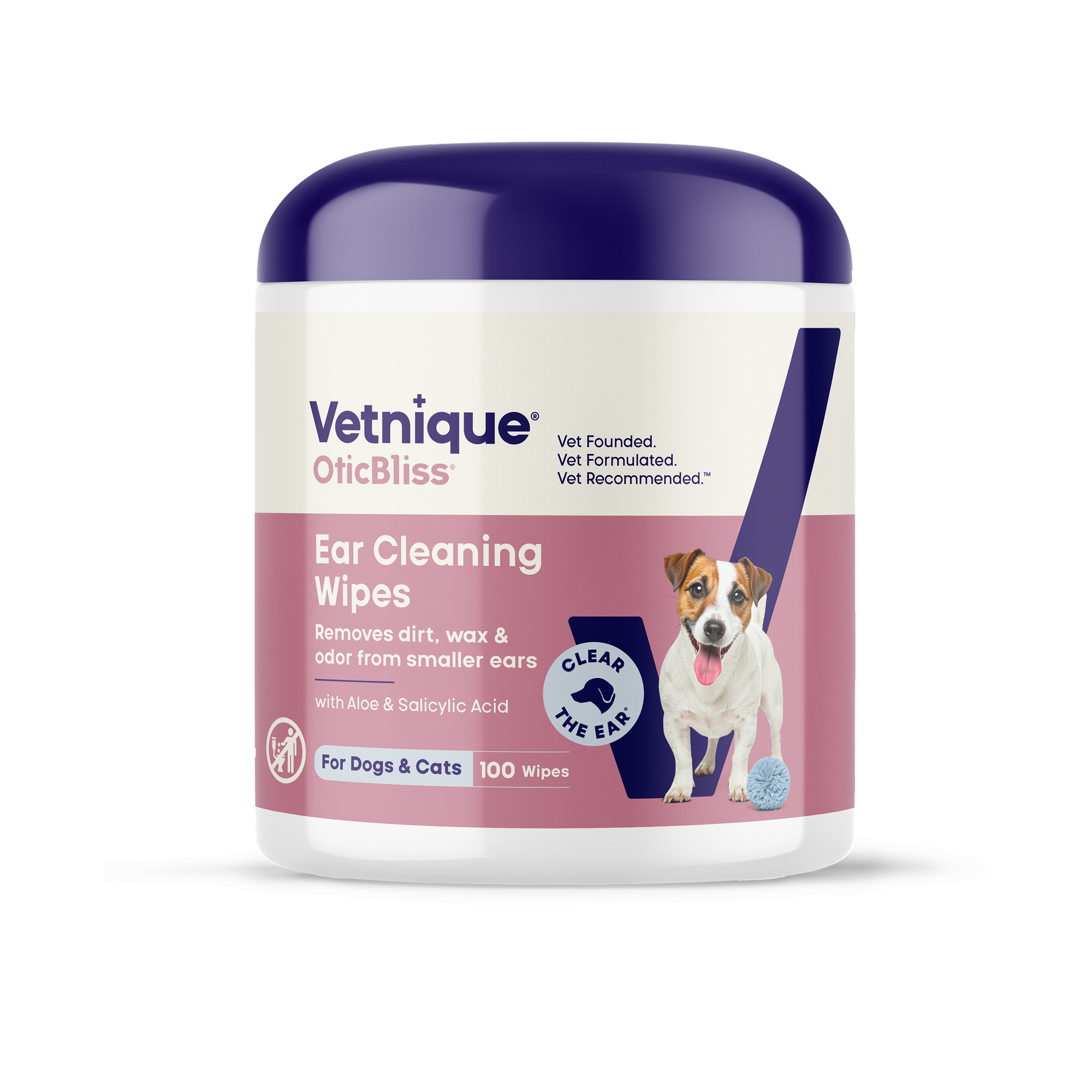
- PetMD Cat Ear Cleaner Wipes: Convenient for quick clean-ups, but best for maintenance.
Each product has slightly different benefits. For example, Zymox is often chosen for cats prone to recurring ear infections, while Virbac is a good all-purpose choice for most healthy cats.
Credit: vetnique.com
How Often Should You Clean Your Cat’s Ears?
Most cats do not need weekly ear cleanings. Over-cleaning can irritate the ear canal. For healthy cats, once a month is usually enough. Cats with allergies or chronic ear problems may need more frequent care, as recommended by your vet.
Here’s a simple frequency guide:
| Cat Type | Cleaning Frequency |
|---|---|
| Healthy adult cat | Every 4-6 weeks |
| Prone to ear issues | Every 1-2 weeks |
| After vet treatment | As directed by vet |
Always follow your vet’s specific advice, as over-cleaning can strip away natural oils and make ears more vulnerable.
When To See A Vet
If you notice persistent redness, swelling, strong odor, or discharge, do not try to treat it at home. These signs often mean there is an underlying infection or mites that need prescription medicine. Some ear problems, if untreated, can lead to hearing loss or serious pain.
A surprising insight: even after using vet-approved cleaners, if symptoms do not improve within a few days, professional help is needed.
For more on common feline ear problems, check VCA Animal Hospitals.

Credit: tropiclean.com
Frequently Asked Questions
How Do I Know If An Ear Cleaner Is Really Safe For Cats?
Look for labels stating veterinarian approved or “safe for cats.” Avoid products with alcohol, hydrogen peroxide, or strong fragrances. Always check with your vet before trying a new product.
Can I Use Dog Ear Cleaner On My Cat?
No. Many dog ear cleaners have ingredients that are not safe for cats. Always use a product specifically marked for feline use.
What Happens If My Cat Hates Ear Cleaning?
Try wrapping your cat in a towel and using treats as rewards. Go slowly, and only clean a little at a time. If your cat is very stressed, ask your vet for advice.
Are Ear Mites Common In Cats?
Yes, especially in kittens and outdoor cats. Mites cause dark, crumbly debris and intense itching. If you suspect mites, see your vet for diagnosis and treatment.
Is It Normal For Cats’ Ears To Smell?
A mild, earthy odor is normal. But strong, foul, or sweet smells often mean infection or yeast and need a vet’s attention.
Caring for your cat’s ears with a vet approved ear cleaner is a simple way to keep them healthy and comfortable. With the right product and gentle care, you’ll help your cat avoid painful ear problems and enjoy a happier life.