A cat’s life is full of stretching, jumping, and, of course, scratching. If you’ve ever wondered why your feline friend attacks your couch or carpet, you’re not alone. Many cat owners find themselves searching for solutions to protect their homes. This is where the cat scratcher comes in. It’s not just a toy—it’s an important tool for your cat’s health and happiness. Let’s explore what a cat scratcher is, why cats need it, the types available, and how to choose the right one.
What Is A Cat Scratcher?
A cat scratcher is a special product made for cats to scratch with their claws. It can be as simple as a cardboard pad or as complex as a tall, multi-level tower. The main purpose is to give cats a safe and appealing place to scratch. This helps protect your furniture, walls, and doors from damage.
Scratching is a natural behavior for cats. It helps them remove old layers from their claws, stretch their bodies, and mark their territory. A good cat scratcher satisfies all these instincts.
Why Do Cats Scratch?
Cats scratch for several reasons:
- Claw health: Scratching helps cats shed old nail sheaths.
- Exercise: Stretching while scratching works their muscles.
- Marking: Cats have scent glands in their paws. Scratching leaves both a visual and scent mark.
- Stress relief: Scratching helps cats release energy and stress.
Without a suitable scratcher, cats may turn to your sofa or carpet. Offering a scratcher meets their needs and keeps your home safe.
Credit: www.omlet.us
Main Types Of Cat Scratchers
Cat scratchers come in many shapes and materials. Here’s a look at the most popular types.
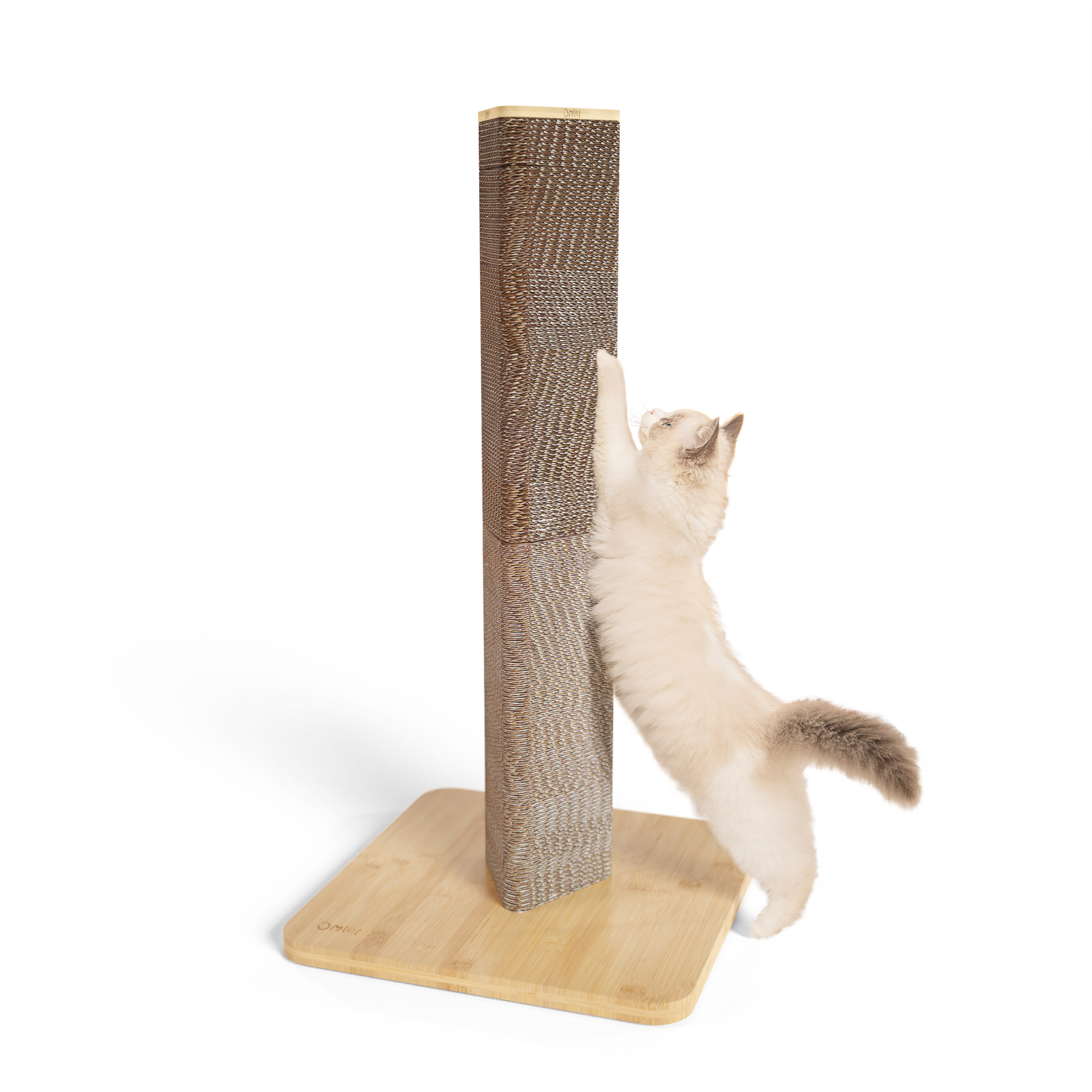
Cardboard Scratchers
These are lightweight and affordable. Most are made from layered corrugated cardboard. Cats love the texture, but they wear out faster than other types.
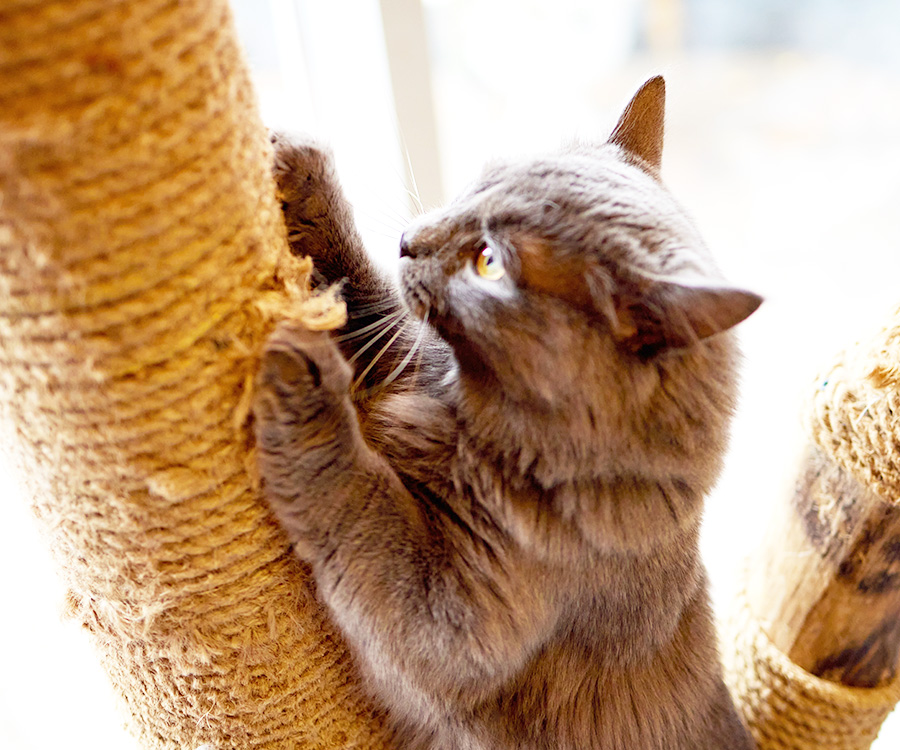
Sisal Rope Or Fabric Scratchers
Sisal is a tough, natural fiber. Scratchers wrapped in sisal rope or covered in sisal fabric last longer and are satisfying for most cats.
Carpeted Scratchers
These are covered with carpet material. Some cats like the familiar feel, but carpet can sometimes teach cats it’s okay to scratch the real carpet.
Wood Scratchers
Solid wood scratchers are durable and heavy. They’re less common but great for homes with large or strong cats.
Multi-level Towers (cat Trees)
These combine scratching posts, platforms, and hiding spots. They offer more fun for active or multiple cats.
Here’s a simple comparison of the main materials:
| Type | Durability | Cost | Cat Appeal |
|---|---|---|---|
| Cardboard | Low | Low | High |
| Sisal | High | Medium | High |
| Carpet | Medium | Medium | Medium |
| Wood | Very High | High | Medium |
Key Features To Consider
Not all scratchers are equal. Here’s what to look for when choosing one:
- Stability: The scratcher should not tip over easily. Cats will avoid unstable ones.
- Height: Taller posts let cats stretch fully. Aim for at least 60 cm (24 inches).
- Material: Choose materials your cat likes. Sisal is often a favorite.
- Shape: Some cats prefer horizontal surfaces, others like vertical posts.
- Size: Large cats need bigger, sturdier scratchers.
- Placement: Place the scratcher where your cat already scratches.
Let’s compare vertical and horizontal scratchers:
| Type | Best For | Placement |
|---|---|---|
| Vertical | Cats who like to stretch upwards | Near furniture, walls |
| Horizontal | Cats who scratch carpets or floors | On the floor, near favorite spots |
Credit: www.hartz.com
How To Introduce A Cat Scratcher
Sometimes, a cat ignores a new scratcher. Here are some tips to help:
- Place it where your cat scratches. Move it near a favorite spot—like the end of the sofa.
- Make it appealing. Rub a little catnip on the scratcher if your cat likes it.
- Reward your cat. Give treats or praise when your cat uses the scratcher.
- Show by example. Gently run your fingers on the scratcher to show what it’s for.
- Be patient. Some cats need time to accept new things.
Many owners make the mistake of buying a single scratcher and hiding it in a corner. For best results, offer several types in different locations.
Benefits Of Using A Cat Scratcher
A good scratcher does more than save your furniture. It helps your cat stay healthy and happy. Here are the main benefits:
- Reduces stress and boredom: Scratching is a way for cats to relax.
- Improves claw health: Regular scratching keeps claws in good shape.
- Protects your home: Fewer scratches on furniture and carpets.
- Prevents behavior problems: Cats with scratchers are less likely to act out.
An interesting fact: A study found that over 83% of cat owners said their cat used a scratcher at least once a day. This shows how important they are in a cat’s daily life.
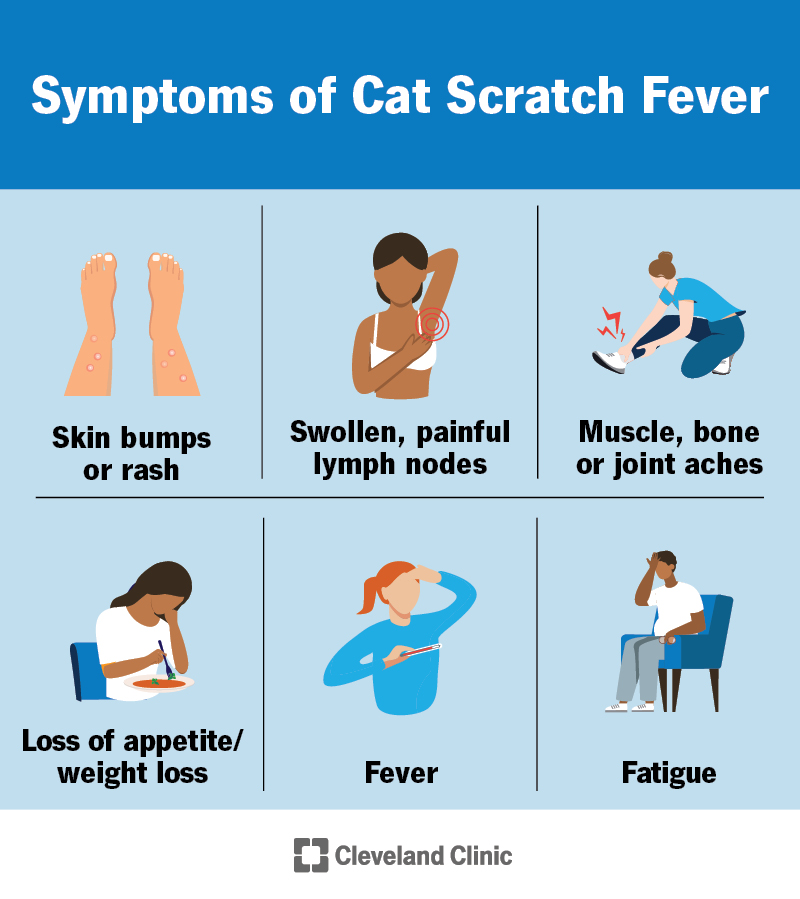
Credit: my.clevelandclinic.org
Common Mistakes To Avoid
It’s easy to make simple errors when buying or using a cat scratcher. Here’s what to watch out for:
- Choosing one that’s too small or short
- Placing it in a hidden or unused area
- Not replacing worn-out scratchers
- Ignoring your cat’s preferences for material or shape
- Expecting instant results without training
Remember, every cat is different. One cat may love a tall sisal post, while another prefers a flat cardboard mat. Pay attention to your cat’s habits.
Diy Cat Scratchers
If you’re creative, you can make a simple cat scratcher at home. Use sturdy cardboard, sisal rope, or old carpet. Just make sure there are no loose threads or sharp edges.
A homemade scratcher can be a fun project and lets you customize the size and shape for your pet.
Cat Scratcher Vs. Declawing
Some owners consider declawing to stop scratching. This is not recommended. Declawing is painful and can cause long-term problems for your cat. A scratcher is a safe, healthy alternative.
For more about cat behavior and health, check out the Wikipedia article on cat behavior.
Frequently Asked Questions
What Is The Best Material For A Cat Scratcher?
Sisal rope or sisal fabric is often the best. It’s durable, safe, and most cats love the texture. Cardboard is also popular, but it doesn’t last as long.
How Many Cat Scratchers Should I Have?
Experts suggest at least one scratcher per cat, plus one extra. Place them in different rooms or near favorite spots.
How Do I Keep My Cat Interested In The Scratcher?
Try sprinkling catnip on the scratcher or using interactive toys. Place the scratcher near where your cat already likes to scratch.
How Often Should I Replace A Cat Scratcher?
Replace the scratcher when it looks worn out or unstable. Most cardboard types last a few months, while sisal can last longer.
Can I Make A Cat Scratcher At Home?
Yes, you can use cardboard, sisal rope, or carpet. Just make sure it’s safe and sturdy for your cat to use.
A cat scratcher is a simple way to improve both your cat’s life and your own. By picking the right type and placing it wisely, you protect your home and give your cat a healthy outlet for their natural instincts. With a little patience and the right tools, you and your cat can live happily—without the scratched-up furniture.