When your cat refuses food or water, it can be worrying. Many pet owners wonder: how long can a cat survive without eating or drinking? Understanding this can help you act quickly if your cat’s health is at risk. Let’s break down the facts, what affects survival time, and what you should do if your cat stops eating or drinking.
How Long Can A Cat Go Without Food?
Most healthy cats can survive up to two weeks without food if they still have access to water. However, this is not safe or ideal. After just a few days, your cat will start to feel weak, lose weight, and become more vulnerable to illness.
Cats are different from humans and even dogs. They need regular food to keep their organs working. If a cat does not eat for more than 24–48 hours, it can develop fatty liver syndrome (hepatic lipidosis). This is a dangerous liver condition, especially in overweight cats. Without treatment, it can be fatal.
Some key points to remember:
- Adult cats: May live up to 1–2 weeks without food, but serious health problems can start after 3–4 days.
- Kittens: Can only survive about 24 hours without food. They have less body fat and weaker immune systems.
How Long Can A Cat Go Without Water?
Water is even more critical than food. A cat can survive only 3–4 days without water. After this, organs begin to fail, and the risk of death increases quickly.
Dehydration causes:
- Dry mouth and gums
- Sunken eyes
- Lethargy
- Rapid heart rate
Cats can sometimes survive a bit longer if they are healthy and in a cool environment. But, the clock starts ticking much faster without water than without food.
Here’s a simple comparison:
| Resource | Survival Time (Healthy Adult Cat) | Health Risks |
|---|---|---|
| Food | 1–2 weeks | Fatty liver, muscle loss, organ failure |
| Water | 3–4 days | Dehydration, kidney failure, death |
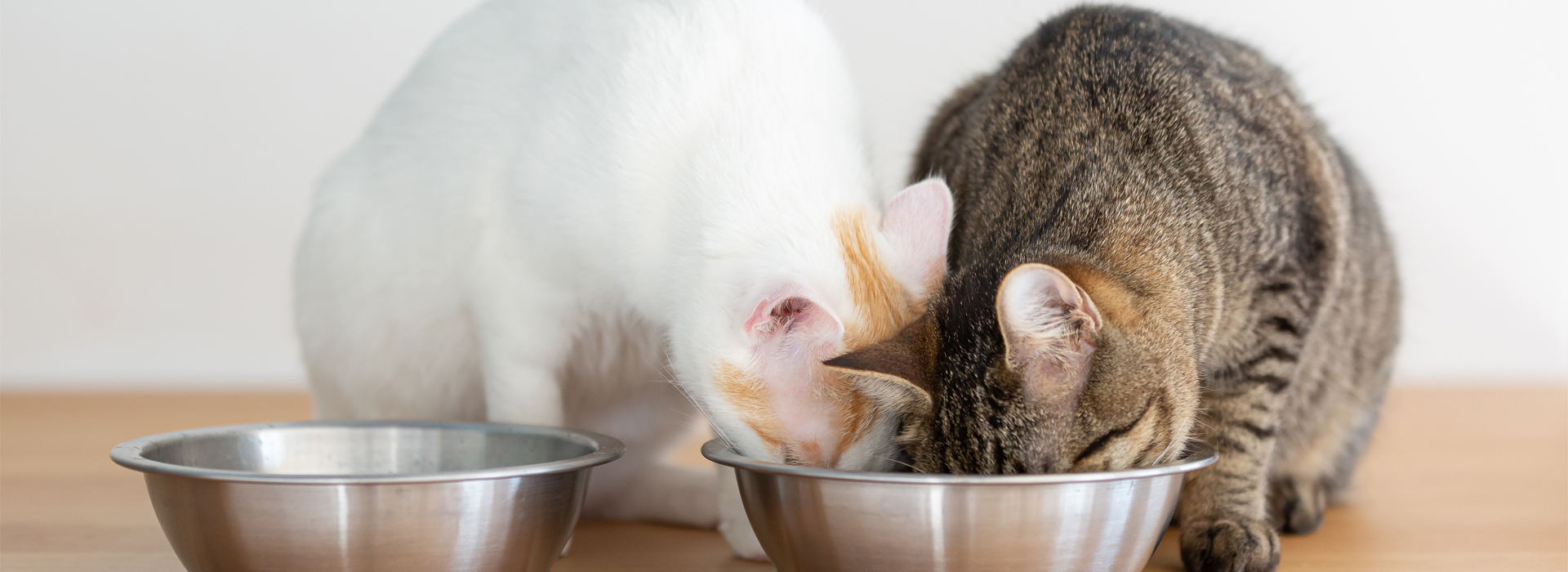
Credit: www.whiskas.co.uk
Factors That Affect Survival Time
Not all cats are the same. Several things can change how long a cat can survive without food and water.
1. Age And Health
Kittens, elderly cats, and sick cats are more at risk. Their bodies cannot handle stress or lack of nutrition as well as healthy adults.
2. Body Weight
Overweight cats may last a bit longer without food, but they are also more likely to develop fatty liver syndrome. Thin cats become weak more quickly.
3. Activity Level
Active cats use more energy and water, so they will decline faster.
4. Environment
A cat in a hot environment loses water faster and can become dehydrated more quickly.
5. Access To Moisture
Sometimes, a cat will eat wet food, lick condensation, or drink from odd places. This can help them survive a little longer.
Warning Signs: When To Worry
If your cat stops eating or drinking for more than 24 hours, it’s time to take action. Cats are skilled at hiding illness, so by the time you notice, they may already be in trouble.
Watch for:
- Loss of appetite
- No interest in water
- Weakness
- Vomiting or diarrhea
- Hiding
- Lack of grooming
If your cat shows any of these signs, call your vet right away. Waiting too long can make treatment harder and more expensive.
:max_bytes(150000):strip_icc()/how-long-can-cats-go-without-water-1297911316-2000-b45b82668a9f4a328395182f26fe0d40.jpg)
Credit: www.dailypaws.com
What To Do If Your Cat Stops Eating Or Drinking
Act quickly. Here’s what you can try:
- Check for stress or changes: New pets, moving, or loud noises can upset cats.
- Try different foods: Offer strong-smelling, wet food or tuna.
- Keep water fresh: Change water bowls often or try a pet water fountain.
- Warm up food: Heating cat food slightly can make it more appealing.
- Hand-feeding: Sometimes, gently feeding by hand encourages eating.
- Visit the vet: If your cat refuses to eat or drink for 24 hours, see a professional.
Never try to force-feed or give water with a syringe unless your vet advises. You could cause choking or stress.
Common Mistakes Owners Make
Many people wait too long before seeking help. Here are two mistakes to avoid:
- Assuming a cat will eat when hungry: Unlike dogs, cats can become so ill they lose the urge to eat.
- Believing a cat drinks enough: Some cats never drink from a bowl and rely on wet food for moisture. If they stop eating, dehydration is fast.

Credit: michu.com.au
Quick Reference Table: Survival Time And Danger Signs
Here’s a summary for easy recall:
| Time Without Food/Water | Possible Effects |
|---|---|
| 12–24 hours | Little effect, but watch closely |
| 24–48 hours | Start of weakness, need vet advice |
| 3–4 days (no water) | Severe dehydration, organ failure |
| 1–2 weeks (no food) | Fatty liver, risk of death |
How To Prevent Food And Water Refusal
- Keep your cat’s routine steady.
- Offer wet food along with dry food.
- Place water bowls in several places.
- Clean bowls daily.
- Monitor your cat’s eating and drinking habits.
Adding a pet fountain or flavoring water with tuna juice can encourage drinking.
When Is It An Emergency?
If your cat is not eating or drinking, especially with vomiting, diarrhea, or lethargy, it is an emergency. Even a few hours can make a difference in recovery.
Cats with medical conditions—like diabetes, kidney disease, or heart problems—need immediate care if they stop eating or drinking.
Frequently Asked Questions
How Long Can A Cat Go Without Food But With Water?
Most healthy adult cats can survive up to two weeks without food if they have water. However, severe health problems will start much sooner. Always seek help if a cat does not eat for more than 24–48 hours.
How Long Can A Sick Or Elderly Cat Survive Without Food Or Water?
Sick or elderly cats are much more fragile. They may only survive a few days without food and even less without water. Their bodies cannot handle the stress, so fast action is critical.
Can A Cat Drink Milk Instead Of Water?
Cats should not drink cow’s milk as a water replacement. Many cats are lactose intolerant, which can cause diarrhea and dehydration. Fresh water is always best.
What Are The First Signs Of Dehydration In Cats?
Early signs include dry gums, sunken eyes, loss of skin elasticity, and lethargy. You can gently lift the skin at the back of the neck—if it doesn’t snap back quickly, your cat may be dehydrated.
Where Can I Learn More About Cat Health Emergencies?
For detailed information, visit the ASPCA Cat Care Emergency Guide.
If you ever wonder about your cat’s eating or drinking habits, remember: early action saves lives. Don’t wait—your cat depends on you to notice when something is wrong.