Pet owners know the joy and challenges of living with furry friends. While pets bring happiness, they also leave behind tough odors that can make your home less inviting. Traditional cleaning methods often fail to remove pet smells completely. This is where an enzymatic cleaner for pet odors comes in. These specialized cleaners use natural processes to break down the source of smells, creating a fresher environment for you and your pets.
How Enzymatic Cleaners Work
Enzymatic cleaners use real enzymes—tiny proteins that speed up chemical reactions. When you spray the cleaner on a pet mess, the enzymes break down organic materials like urine, feces, and vomit. Instead of just masking the odor, the enzymes destroy the molecules that cause the smell.
This is different from regular cleaners, which often rely on strong scents or chemicals to cover up odors. Enzymatic cleaners actually remove the source of the problem, making them more effective for deep odor removal.
Why Pet Odors Are Hard To Remove
Pet odors are stubborn because they come from organic waste. Urine, for example, contains uric acid crystals that stick to carpet fibers and wood. These crystals can remain even after traditional cleaning and become active again with moisture or humidity.
Pets also have strong noses. If they smell their scent, they might return to the same spot. This is why it’s important to not just cover up the smell but to completely break it down.
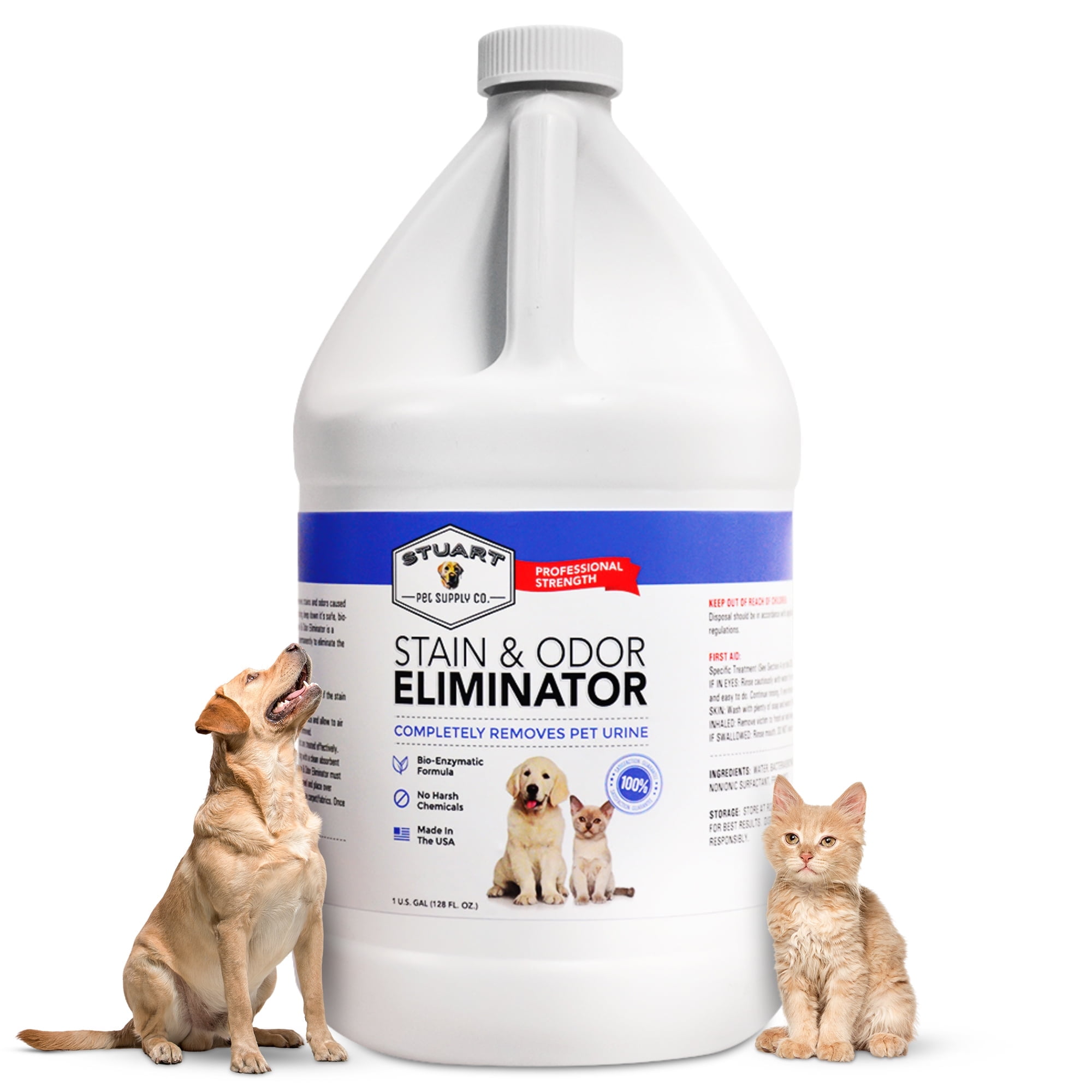
Credit: www.walmart.com
Key Benefits Of Using Enzymatic Cleaners
- Permanent Odor Removal: Enzymes target and eliminate the root source of odors, not just the surface mess.
- Safe for Pets and Kids: Most enzymatic cleaners use non-toxic ingredients, making them safe for use around your family.
- Works on Multiple Surfaces: You can use these cleaners on carpets, upholstery, hardwood floors, tile, and fabrics.
- Prevents Re-marking: By removing scent markers, you discourage pets from soiling the same area again.
- Breaks Down Stains: Enzymatic action also lifts and removes stains, not just smells.
How To Use Enzymatic Cleaner For Pet Odors
Cleaning with an enzymatic cleaner is straightforward, but following the right steps gives the best results.
- Remove Solid Waste: Pick up any solid mess first. Blot liquids with a clean towel to soak up as much as possible.
- Apply Generously: Spray or pour the enzymatic cleaner to cover the entire affected area. Make sure it soaks deep into carpets or fabrics.
- Let It Sit: Give the enzymes time to work—usually 10 to 30 minutes. For tough stains, cover with a clean cloth and let it sit longer.
- Blot and Dry: After waiting, blot up extra moisture. Allow the spot to air dry fully.
- Repeat if Needed: Stubborn odors may need a second application.
Tip: Never use hot water or steam before the enzymatic cleaner, as heat can set stains and odors.
Comparing Enzymatic Cleaners To Other Solutions
Choosing the right cleaner makes a big difference. Here’s a simple comparison of enzymatic cleaners and other common solutions:
| Type | Effect on Odor | Safe for Pets | Surface Compatibility |
|---|---|---|---|
| Enzymatic Cleaner | Eliminates at the source | Usually safe | Most surfaces |
| Vinegar/Baking Soda | Partially neutralizes | Safe | Most surfaces |
| Bleach/Chemical Cleaner | Masks or disinfects | Can be harmful | Not for all surfaces |
| Air Freshener | Covers up only | Varies | Air only |
Things To Consider When Choosing An Enzymatic Cleaner
Not all enzymatic cleaners are the same. Here are a few factors to keep in mind:
- Ingredients: Look for products with natural, non-toxic ingredients.
- Scent: Some have added fragrances. If your pet is sensitive, choose unscented versions.
- Surface Use: Check if the cleaner is safe for your floors, carpets, or fabrics.
- Dry Time: Fast-drying formulas are handy for busy homes.
- Certifications: Look for safety certifications or vet recommendations.
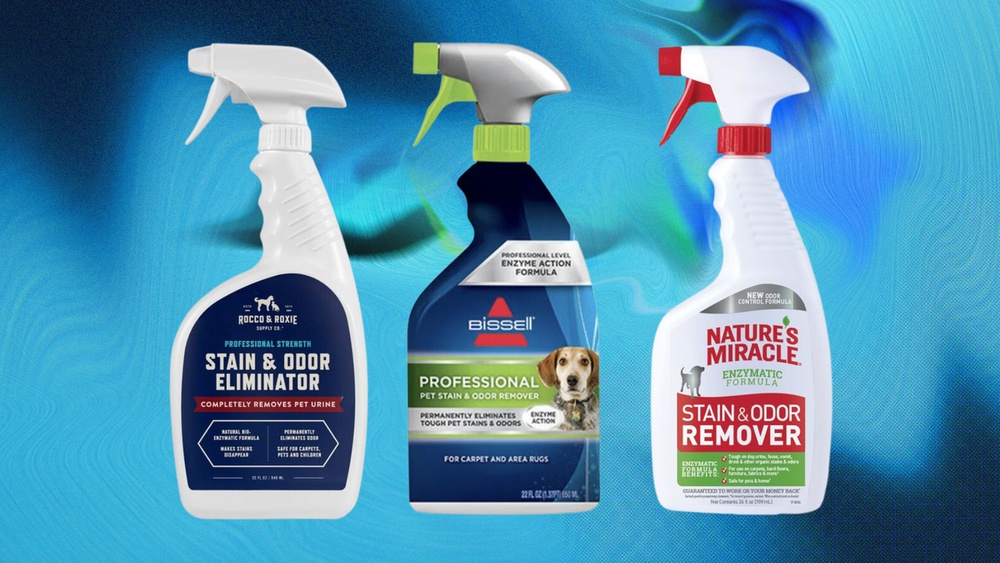
Here’s a quick look at features to compare:
| Brand | Non-Toxic | Multi-Surface | Fragrance-Free Option |
|---|---|---|---|
| Rocco & Roxie | Yes | Yes | No |
| Nature’s Miracle | Yes | Yes | Yes |
| Simple Solution | Yes | Yes | No |

Credit: nilds.gov.ng
Non-obvious Insights For Best Results
Many beginners miss these important details:
- Enzymes need moisture to work. If the area dries too fast, the enzymes can stop working before the odor is gone. Covering the spot with plastic wrap can help in severe cases.
- Don’t mix with other cleaners. Using chemicals like bleach first can kill the enzymes and make the cleaner less effective.
- Repeat for old stains. Set-in odors may need several treatments, especially if the spot was cleaned with something else before.
Common Mistakes To Avoid
- Scrubbing too hard: This can push the mess deeper into the carpet.
- Not using enough cleaner: Enzymatic action works best when the product soaks into every part of the stain.
- Skipping instructions: Each brand can have unique steps for best results.

Credit: www.amazon.com
When To Call A Professional
If odors return after several treatments, or if the smell covers a large area (like under carpets or floors), you may need professional help. Experts have specialized tools and industrial-strength enzymatic products.
The Science Behind Enzymatic Cleaning
Research shows that bio-enzymatic cleaners are more effective than traditional methods for removing pet urine and feces odors. According to a study published in the Journal of Applied Microbiology, enzyme-based cleaners can reduce odor-causing bacteria by over 90%. This makes them a trusted solution for pet owners and cleaning professionals.
For more details about how enzymes work, you can read this Wikipedia article.
Frequently Asked Questions
What Are Enzymatic Cleaners Made Of?
Most enzymatic cleaners contain natural enzymes, water, and gentle surfactants. Some include plant-based fragrances, but you can find fragrance-free versions for sensitive pets.
Are Enzymatic Cleaners Safe For All Pets?
Yes, most are non-toxic and safe when used as directed. Always check the label for warnings and let areas dry before letting pets return.
Can I Use Enzymatic Cleaner On Old Pet Stains?
Yes, but older stains may need several applications. Be patient and allow enough time for the enzymes to work.
Will Enzymatic Cleaner Remove The Stain And The Odor?
Most enzymatic cleaners handle both stains and odors. They break down organic material, which helps lift stains and remove smells at the same time.
How Long Should I Let The Enzymatic Cleaner Sit?
Let it sit at least 10-30 minutes, or longer for deep stains. Check the product instructions for best results.
A good enzymatic cleaner for pet odors can make a huge difference in your home. With the right product and method, you can enjoy a fresh, clean space and a happier life with your pets.