Many cat owners feel surprised and frustrated when their cats start pooping outside the litter box. This problem can seem sudden or may develop over time. While it’s a common issue, it’s not normal for healthy, happy cats. Understanding the reasons behind this behavior is the first step to solving it.
By finding out why your cat is avoiding the litter box, you can help them return to good habits—and keep your home clean and stress-free.
Common Causes For Litter Box Avoidance
Cats are usually very clean animals. When they stop using their litter box, it’s usually a sign that something is wrong. Here are the main reasons why your cat might be pooping outside the box:
1. Medical Issues
Health problems are one of the most common reasons for this behavior. Conditions like constipation, diarrhea, urinary tract infections, or arthritis can make using the litter box painful or difficult. Elderly cats, in particular, may develop joint pain that makes climbing into the box hard.
Many owners don’t realize that even mild discomfort can change their cat’s habits. If your cat suddenly stops using the box, it’s smart to visit your vet. Prompt medical attention can help your cat feel better and prevent the problem from getting worse.
2. Litter Box Cleanliness
Cats have a strong sense of smell. Dirty litter boxes are one of the top reasons cats avoid them. If the box isn’t cleaned daily, waste and odors build up quickly. Some cats refuse to use a box with even one soiled spot.
Multiple cats in a household can make this problem worse. Each cat needs their own box, plus one extra, to feel comfortable.
3. Litter Box Location
Location matters more than many owners think. If the box is in a noisy, busy, or hard-to-reach place, your cat may not feel safe using it. Avoid putting litter boxes near loud appliances, in dark corners, or high-traffic areas.
Cats like privacy but not isolation. Try placing the box in a quiet but accessible spot.
4. Type Of Litter
Cats can be picky about litter. Some dislike the feel or smell of certain types. If you changed brands or switched from clumping to non-clumping litter, your cat may not like the new texture.
A sudden change can cause stress, leading to accidents. Gradually mix old and new litter when making a switch.
5. Stress Or Changes In The Home
Cats are creatures of habit. Moving, new pets, babies, or even new furniture can make them anxious. Stress can trigger out-of-box pooping.
Try to keep routines stable. When changes happen, give your cat extra attention and quiet time.
6. Litter Box Size And Style
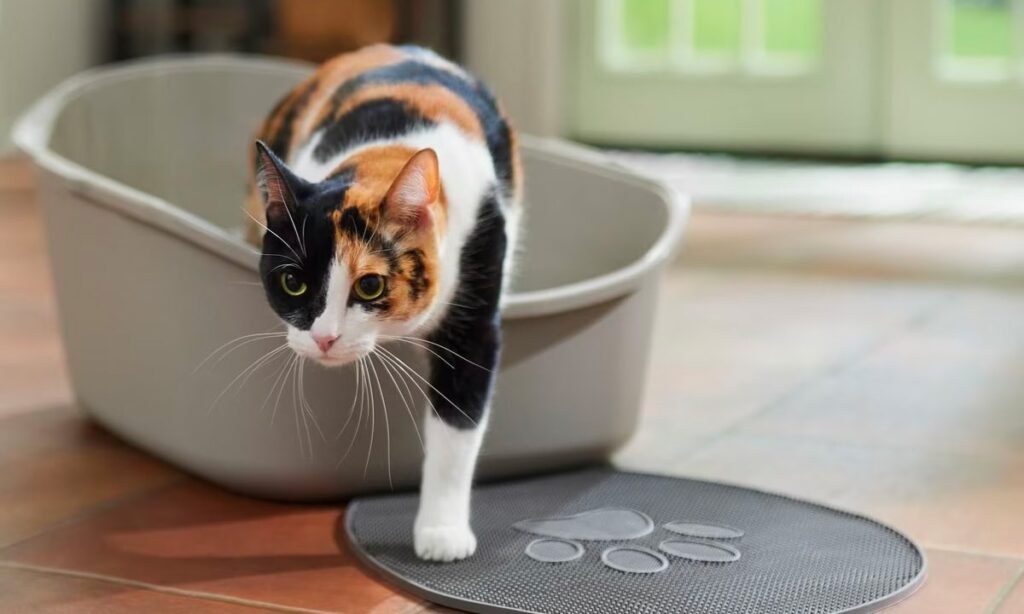
A box that is too small or has high sides can be uncomfortable, especially for big or older cats. Covered boxes may trap odors, making them unpleasant.
Some cats prefer open boxes while others like privacy. Watch how your cat reacts to the box’s size and style.
7. Territorial Marking
Unneutered cats, both male and female, may poop outside the box to mark their territory. This often happens if a new cat arrives or if outdoor cats are visible through windows.
Spaying or neutering can reduce marking behavior.
8. Negative Associations
If your cat was startled or frightened while using the box, they may avoid it. Loud noises or punishment near the box can cause lasting fear.
Always keep the litter box experience positive and stress-free.
How To Fix Litter Box Problems
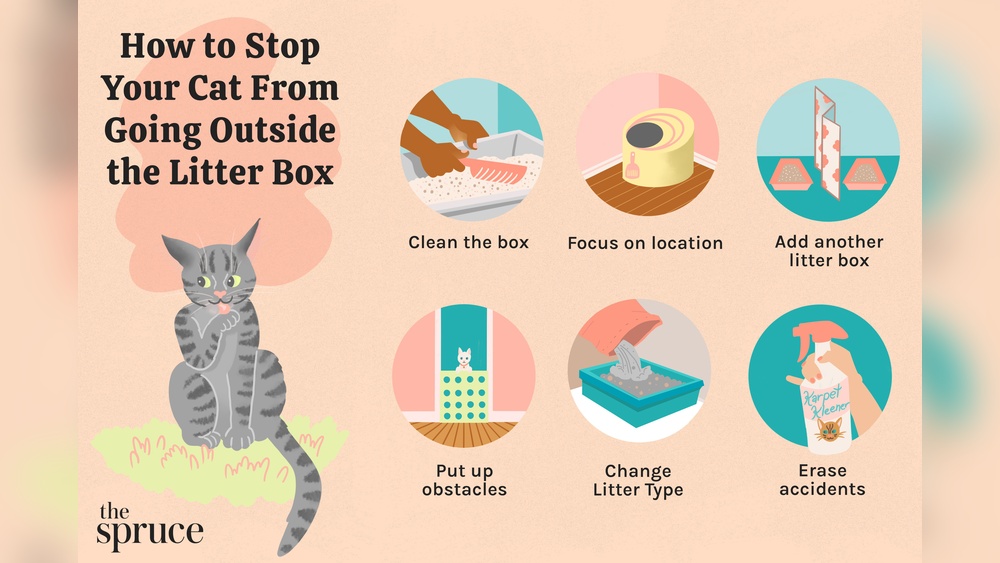
Once you know the possible reasons, you can start fixing the issue. Here are proven steps to help your cat return to good habits:
- See a Veterinarian: Rule out medical causes first. Many cats hide pain, so don’t assume they’re healthy if they seem fine.
- Clean the Box Daily: Scoop waste at least once a day. Wash the box with unscented soap weekly.
- Have Enough Boxes: One box per cat, plus one extra, is best.
- Choose the Right Location: Place boxes in quiet, easy-to-reach areas.
- Use Preferred Litter: Stick to the litter your cat likes. Change slowly if you must switch.
- Reduce Stress: Keep routines steady and use calming sprays if needed.
- Try Different Boxes: Offer both covered and uncovered boxes to see what your cat prefers.
- Clean Accidents Well: Use enzyme cleaners to remove odors so your cat isn’t drawn back to the spot.
Here’s a look at how common solutions can impact the problem:
| Solution | Success Rate | Best For |
|---|---|---|
| Veterinary Care | 80% | Medical issues |
| More Boxes | 65% | Multi-cat homes |
| Litter Change | 40% | Litter preference |
:strip_icc()/help-with-cat-pooping-on-rug-554023-c17d422e040f433a9e03a0fdb6517a56.jpg)
Credit: www.veracartolano.com
Mistakes Cat Owners Often Make
Even caring owners sometimes make the problem worse by accident. Avoid these common errors:
- Punishing your cat: This only increases stress and fear.
- Switching litter brands suddenly: Always transition slowly.
- Ignoring early signs: Don’t wait for the problem to get worse before acting.
Non-obvious insight: Sometimes, a cat that poops outside the box is sending an early signal about a developing health problem, even if it’s not obvious yet.
Litter Box Comparison
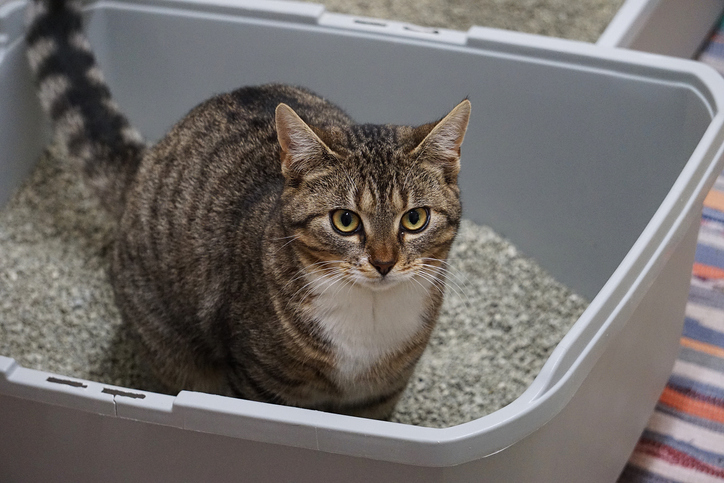
Choosing the right box matters more than most people think. Here are key differences:
| Litter Box Type | Pros | Cons |
|---|---|---|
| Open | Easy access, less odor buildup | Less privacy, more mess |
| Covered | More privacy, contains litter | Traps odors, some cats dislike |
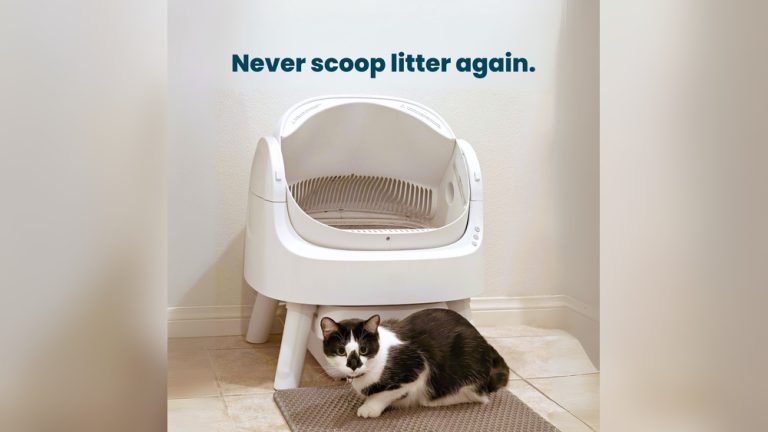
| Self-cleaning | Convenient, always clean | Expensive, can be noisy |
Credit: krydervet.com
Environmental Factors To Consider
It’s not just about the box and litter. Here are other factors to check:
- Noise: Washers, dryers, and loud appliances near the box can scare cats.
- Other pets: Dominant cats or dogs may block access to the box.
- Household layout: A box in a basement or upstairs may be too far for older cats.
Another helpful tip: If your cat has mobility issues, try placing boxes on every floor of your home.
When To Seek Professional Help
If you’ve tried all the steps above and your cat still avoids the box, it may be time to call in a professional. A veterinary behaviorist can help uncover hidden causes and design a plan.
For more information on feline behavior, check out this resource from the ASPCA.
Credit: www.chewy.com
Frequently Asked Questions
Why Did My Cat Suddenly Start Pooping Outside The Litter Box?
Sudden changes often point to a medical problem or a stressful event in your cat’s life. Always rule out health issues first by visiting your vet.
Can A Dirty Litter Box Cause My Cat To Poop Elsewhere?
Yes. Many cats will avoid a soiled box. Daily scooping and regular cleaning are important for good litter box habits.
Does The Type Of Litter Really Matter?
Absolutely. Cats have strong preferences. Some dislike scented or coarse litter. If you must change, do it gradually.
Will Neutering Or Spaying My Cat Help?
Spaying or neutering can reduce marking behavior, which includes pooping outside the box—especially in multi-cat homes or when new cats are present.
What Should I Do If Nothing Works?
If you’ve tried all solutions and your cat still avoids the box, consult your veterinarian or a cat behavior expert. There may be deeper health or behavioral reasons.
Caring for a cat means understanding their needs and behaviors. With patience and the right approach, most cats can be helped to use their litter box again. When in doubt, ask for help—your cat depends on you to solve the problem.