
Every dog owner knows the struggle: your happy companion suddenly leaves tufts of hair all over the house. Moulting, or shedding, is a natural process, but it can make your home messy and your dog uncomfortable. Choosing the best brush for moulting dog is not just about keeping your floor clean—it helps keep your dog’s skin healthy, reduces hairballs, and strengthens your bond during grooming. But with so many brushes on the market, how do you pick the right one? Let’s explore the types, top choices, and smart tips so you can confidently keep your dog’s coat in top shape.
Why Dogs Moult And Why The Right Brush Matters
Most dogs shed hair, but the amount varies by breed, age, and season. Double-coated breeds like Golden Retrievers or Huskies can lose large amounts of fur, especially in spring and autumn. Short-haired breeds shed too, but their loose hairs often get stuck on furniture or clothing.
Brushing removes dead hair, prevents mats, and distributes natural oils. If you use the wrong brush, you might miss undercoat hair, irritate your dog’s skin, or even damage the topcoat. A good brush makes grooming easier for both you and your pet.
Types Of Dog Brushes For Moulting
Choosing the right brush depends on your dog’s coat type. Here’s a quick guide:
| Brush Type | Best For | Key Feature |
|---|---|---|
| Undercoat Rake | Double-coated, thick fur | Long, spaced teeth reach deep layers |
| Slicker Brush | Curly, wavy, or long hair | Fine wire bristles for detangling |
| Deshedding Tool | Heavy shedders | Removes loose undercoat hair |
| Bristle Brush | Short-haired breeds | Soft bristles for finishing and shine |
| Pin Brush | Medium to long coats | Flexible pins for gentle grooming |
Using the wrong type can lead to missed hair or a stressed dog. For example, a bristle brush does little for a Husky’s thick undercoat, while a rake might scratch a Chihuahua’s delicate skin.

Credit: www.tandooriflame.com.sg
Top Brushes For Moulting Dogs
The best brush often depends on your dog’s fur, but some tools stand out for most shedding dogs. Here are the top five, with their main strengths:
1. Furminator Undercoat Deshedding Tool
This tool is famous for its ability to remove up to 90% of loose hair. The stainless steel edge reaches through the topcoat to gently remove undercoat hair without hurting the skin. The ejector button makes cleaning the brush easy.
2. Hertzko Self-cleaning Slicker Brush
Great for both long and short hair, this brush’s fine, bent wire bristles glide through tangles and mats. The self-cleaning button retracts the bristles for quick hair removal. It’s gentle and reduces wrist strain.
3. Jw Pet Gripsoft Undercoat Rake
This rake is designed for double-coated breeds. Its rounded teeth are comfortable on the skin and effective in removing the thick undercoat. The ergonomic handle makes longer grooming sessions easier.
4. Safari Dual-sided Shedding Blade
This unique tool has a looped metal blade with coarse and fine sides. It’s ideal for large, shedding dogs and can be used open for wide areas or closed for more control.
5. Andis Premium Pin Brush
Flexible pins make this brush suitable for sensitive or long-haired dogs. It removes loose hair and prevents tangles without scratching.
Each brush has its strengths. The FURminator is best for deep undercoat removal, while the Hertzko is perfect for everyday tangles and general shedding.
How To Choose The Best Brush For Your Dog
Not all moulting dogs are the same. Consider these factors to make the best choice:
- Coat Length and Type:
Match the brush type to your dog’s fur. Rakes and deshedding tools for thick coats; slickers and bristles for short or fine fur.
- Dog Size:
Large brushes cover more area quickly but may be too big for small breeds.
- Comfort:
Rounded tips and ergonomic handles matter for both you and your dog.
- Cleaning Ease:
Self-cleaning buttons or ejectors save time and keep the brush sanitary.
Here’s a comparison of key features across the top brushes:
| Brush | Best For | Cleaning | Price Range |
|---|---|---|---|
| FURminator | Heavy shedders, thick coats | Easy ejector | High |
| Hertzko Slicker | All coat types | Self-cleaning | Mid |
| JW Undercoat Rake | Double-coated breeds | Manual | Low-Mid |
| Safari Shedding Blade | Large, shedding breeds | Manual | Low |
| Andis Pin Brush | Sensitive, long-haired dogs | Manual | Low-Mid |

Credit: www.amazon.com
How To Use A Brush For Moulting
Grooming is not just about the tool—you need the right technique:
1. Start Slowly:
Let your dog smell the brush and reward calm behavior.
2. Work In Sections:
Begin at the neck and move toward the tail. Brush in the direction of hair growth.
3. Go Deep, Not Hard:
For thick coats, make sure the bristles reach the undercoat. Don’t press too hard—this can irritate the skin.
4. Clean The Brush Often:
Remove hair from the brush every few strokes. A clogged brush is less effective.
5. Watch For Skin Issues:
If you see redness, bumps, or bald spots, stop and check with a vet.
Many owners forget to brush under the belly, behind ears, or around joints. These areas often tangle and mat, causing discomfort.
Mistakes To Avoid When Brushing
- Using the Wrong Brush:
Not all brushes work for every coat. Using a human comb or a cheap brush can miss undercoat hair or even hurt your dog.
- Brushing Too Hard:
Pressing with force can scratch the skin, leading to fear of grooming.
- Not Brushing Enough:
Moulting dogs often need brushing every day or two during peak shedding.
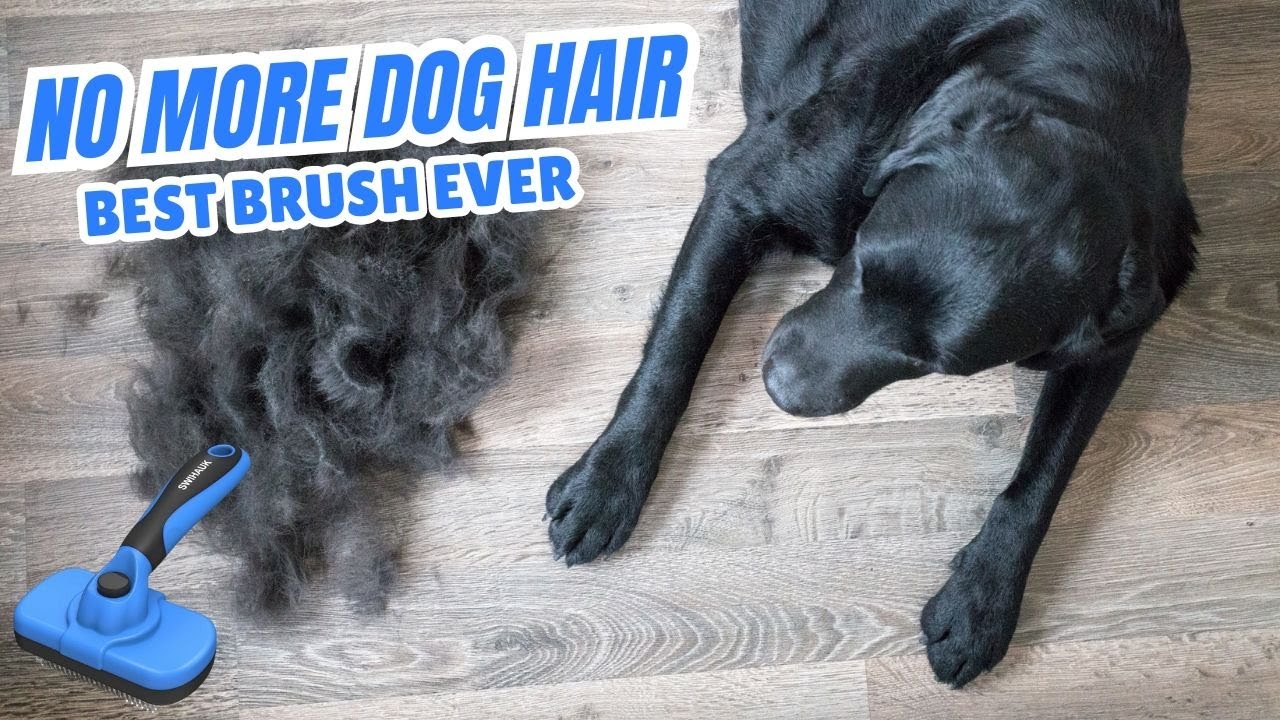
A surprising tip: Dogs with short hair (like Labradors) still benefit from regular brushing. It stimulates their skin and keeps their coat shiny, even if they don’t get big mats.
Credit: www.youtube.com
When To See A Vet
If your dog’s shedding suddenly increases, or you see bald patches, it could mean allergies, parasites, or illness. Normal moulting doesn’t cause sore spots or severe itching. Always check with a vet if you’re not sure.
For more on dog grooming, you can read advice from the American Kennel Club.
Frequently Asked Questions
What Is The Best Brush For A Double-coated Moulting Dog?
The undercoat rake or a deshedding tool like the FURminator is usually best. These reach the thick undercoat where most loose hair is trapped.
How Often Should I Brush A Moulting Dog?
During heavy shedding, brush your dog at least every other day. Some breeds may need daily grooming to keep hair under control.
Can I Use A Human Hairbrush On My Dog?
No. Human brushes are not designed for dog fur and often miss undercoat hair. They can also break dog hair or irritate the skin.
Is Moulting The Same As Shedding?
Yes, moulting is another word for shedding. All dogs shed, but the amount and frequency depend on breed and health.
What If My Dog Hates Brushing?
Go slowly, use treats and praise, and start with short sessions. Try different brushes to find one your dog tolerates.
Finding the best brush for your moulting dog helps reduce mess and keeps your dog happy and healthy. The right tool, good technique, and a little patience turn shedding season into bonding time—not a chore.