Every cat owner knows the worry that comes when their pet needs surgery or suffers a wound. Your cat might lick or bite the sore spot, which slows healing or causes infection. The cat vet collar cone—sometimes called an Elizabethan collar or e-collar—is a simple tool that can make a big difference in recovery. But many owners are unsure how to use it, if it’s really necessary, or how to choose the right one. Let’s clear up the confusion and help you keep your feline friend safe and comfortable.
What Is A Cat Vet Collar Cone?
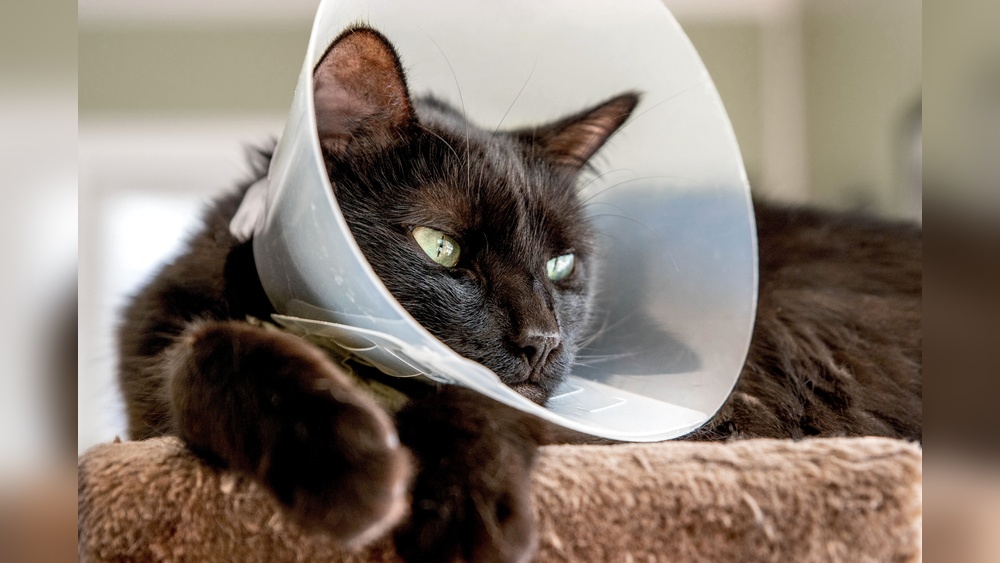
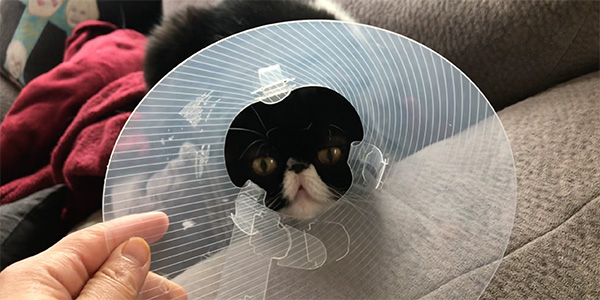
A cat vet collar cone is a wide, usually plastic or soft material collar that fits around your cat’s neck. Its main purpose is to stop your cat from reaching injuries, stitches, or irritated skin with their mouth or paws. This prevents licking, biting, and scratching that could open wounds or make infections worse.
These collars are sometimes called “cones of shame,” but they’re actually a sign of responsible care. Most cats only need to wear them for a short period, but those days can be stressful if you don’t know what to expect.
When Does Your Cat Need A Cone?
Not every injury or surgery requires a cone. Here are the most common situations:
- After surgery: Spaying, neutering, or other operations often require a cone to protect stitches.
- Skin wounds: If your cat has a scratch or bite that they keep licking, a cone gives the area time to heal.
- Hot spots or rashes: Skin allergies or infections can make cats itch and chew at themselves.
- Eye or ear problems: Some treatments for eye or ear issues need the area left alone.
Your vet will usually recommend if a cone is needed. If your cat keeps reopening a wound, it’s safer to use a cone, even if it’s not your first choice.
Credit: www.preventivevet.com
Types Of Cat Vet Collar Cones
There’s more than one style. Here’s a look at the main options:
| Type | Main Material | Best For | Downsides |
|---|---|---|---|
| Plastic Cone | Rigid Plastic | Most wounds and surgeries | Uncomfortable, noisy |
| Soft/Fabric Cone | Padded Fabric | Nervous or sensitive cats | May fold down, less sturdy |
| Inflatable Collar | Plastic/Fabric (air-filled) | Neck wounds, short-term use | Can slip off, easy to chew |
| Custom Recovery Suit | Stretch Fabric | Body wounds, anxious cats | Not for facial/neck wounds |
Plastic cones are the classic choice, but softer options can be more comfortable. A padded or inflatable collar may help if your cat is stressed, but make sure it gives enough protection for the wound area.
How To Choose The Right Cone
Picking the right cat vet collar cone matters for both safety and comfort. Here’s what to check:
- Size: The cone should be long enough to stop your cat’s head from reaching the wound, but not so long it drags on the ground. Most brands have size guides.
- Fit: It must be snug enough not to slip off, but loose enough that two fingers fit under it. Too tight, and your cat can’t breathe or eat comfortably.
- Material: Hard plastic protects best, but soft cones or inflatable collars may reduce stress for nervous cats.
- Weight: Lightweight cones are better for small or older cats.
- Ease of cleaning: Wounds can ooze, so washable cones are a plus.
Here’s a quick comparison of plastic vs. soft fabric cones:
| Feature | Plastic Cone | Soft/Fabric Cone |
|---|---|---|
| Protection Level | High | Medium |
| Comfort | Low | High |
| Easy to Clean | Yes | Usually |
| Noise | Noisy | Quiet |

Credit: www.amazon.in
Helping Your Cat Adjust
For most cats, wearing a cone is stressful at first. Here are some practical steps to help your pet adapt:
- Start slow: Let your cat sniff and examine the cone before putting it on.
- Fit it gently: Secure the cone when your cat is calm, using treats or gentle petting.
- Monitor eating and drinking: Some cats struggle to reach food and water. You may need to use shallow dishes.
- Watch for anxiety: Hiding, refusing to eat, or freezing in place are common at first. Give extra affection and keep their space quiet.
- Check for rubbing or sores: Remove the cone a few times daily (if safe) to check for skin irritation.
A non-obvious tip: Some cats figure out how to reach around the cone with their back legs. Watch your cat closely to see if this happens—if so, talk to your vet about extra steps.
Common Mistakes To Avoid
- Choosing the wrong size: Too big, and your cat can’t move. Too small, and it won’t protect.
- Taking the cone off too soon: Even if a wound looks healed, the skin may be fragile. Follow your vet’s timeline.
- Not checking the wound: Out of sight, out of mind isn’t true for healing. Check daily for swelling, redness, or odor.
- Letting your cat outside: Cats wearing cones can get stuck or injured more easily. Keep them indoors.
A useful insight: Fabric or inflatable collars may look nicer, but determined cats can still reach wounds if the cone is not long enough. Always test before leaving your cat alone.

Credit: www.osons-a-stmalo.com
Making Life Easier With A Cone
Your cat will need some extra help during recovery:
- Move furniture: Remove anything your cat could bump into or get stuck on.
- Keep litter box clean and easy to enter: High-sided boxes might be hard for a cat with a cone to use.
- Play gently: Avoid games that make your cat run or jump, which could disturb healing.
- Stick to a routine: Consistency helps cats feel secure.
If your cat is very stressed by the cone, ask your vet about alternatives. Some cats do well with a recovery suit—a soft body covering that blocks access to wounds without using a collar.
Frequently Asked Questions
How Long Does My Cat Need To Wear A Vet Collar Cone?
Most cats wear the cone for 7 to 14 days, depending on the wound or surgery. Your vet will give a specific timeline. Always wait until the area is fully healed.
Can My Cat Eat And Drink With The Cone On?
Yes, but you may need to use shallow dishes or raise the bowls. Watch to make sure your cat can reach their food and water.
Is It Safe To Leave The Cone On At Night?
It’s usually safer to leave the cone on all the time, including at night. Removing it can let your cat lick or chew the wound when you’re not watching.
Can I Use A Homemade Collar Cone?
Some people make cones from cardboard or plastic sheets, but homemade cones may not fit well or could break. It’s best to use a vet-approved collar for safety.
Are There Any Risks With Using A Collar Cone?
Most cats adjust well, but watch for choking, trouble breathing, or sores on the neck. If you notice these, call your vet right away.
Taking care of your cat during recovery isn’t easy, but using the right cat vet collar cone helps wounds heal faster and keeps your pet safe. For more details on pet recovery, check the Elizabethan collar Wikipedia page. With patience and careful attention, your cat will be back to normal—and cone-free—before you know it.