
Keeping your home fresh when you live with cats can be a challenge. A litter box is essential, but its odour can quickly become a problem. Many cat owners struggle to control smells, even when they clean regularly. This article will help you understand what causes litter box odour, practical ways to reduce it, and smart tips that most beginners miss. You’ll learn how to create a comfortable space for your cat and a pleasant environment for yourself.
Why Does Litter Box Odour Happen?
Cat urine contains ammonia, a strong-smelling chemical. When cats use the litter box, ammonia builds up, especially if the box is not cleaned often. Feces also produce unpleasant smells. Litter boxes placed in warm or poorly ventilated areas can make odours worse. Some cats are sensitive to certain types of litter, so they may avoid the box, leading to accidents and stronger smells.
Many beginners think that using more litter will cover smells, but this can trap odours inside. Using scented litter sometimes masks odours but often mixes with bad smells, making them worse.
Choosing The Right Litter
Picking the best cat litter is the first step in odour control. There are several types:
| Litter Type | Odour Control | Cost | Common Issues |
|---|---|---|---|
| Clumping clay | Good | Low | Dust, tracking |
| Crystal (silica) | Excellent | High | Costly, can be noisy |
| Natural (wood, corn, wheat) | Moderate | Medium | Can attract pests, less clumping |
| Scented | Varies | Medium | Strong perfume, cat allergies |
Clumping clay is popular because it absorbs moisture and forms clumps, making it easy to remove waste. Crystal litter traps urine and dries out feces, reducing odour. Natural litters are eco-friendly and often have mild scents, but may not control odour as well.
For strong odour control, look for litter with activated charcoal or baking soda. These absorb smells better than basic clay or natural types.
Cleaning Habits That Really Work
Regular cleaning is the most important step. Even the best litter will smell bad if not cleaned often. Here are proven cleaning routines:
- Scoop daily: Remove clumps and feces every day. This prevents ammonia build-up.
- Wash the box weekly: Empty all litter, scrub the box with mild soap and hot water. Avoid strong cleaners—cats dislike chemical smells.
- Change litter regularly: Even if you scoop daily, replace all litter every 2-3 weeks.
- Dry the box completely: After washing, dry the box before adding new litter. Moisture causes smells.
Many owners forget to clean the litter box’s edges or corners, where urine can seep in. This is a hidden source of odour. Scrub these areas carefully.
Smart Litter Box Placement
Where you place your litter box affects odour. Choose a location with:
- Good ventilation: Near a window or air vent.
- Cool temperature: Avoid warm places, as heat increases smell.
- Easy access: Cats may avoid boxes in hard-to-reach places, causing accidents.
Avoid placing the box near food or water bowls. Cats prefer separation, and it prevents cross-contamination.

Credit: el-greco.ru
Extra Odour Control Solutions
Besides litter and cleaning, there are other ways to keep smells away.
Litter Box Liners
Plastic liners make cleaning easier and protect the box from urine soaking in. However, some cats dislike the feel of liners. If your cat scratches a lot, liners may tear and lose effectiveness.
Odour Neutralizers
You can use litter box sprays or powders with enzymes to break down smell molecules. These are different from air fresheners, which only mask smells. Look for products labeled as “enzyme-based” or “bio-active”.
Air Purifiers
An air purifier with a carbon filter can remove odours from the air. This is helpful in small apartments or rooms with poor airflow.
Covered Vs. Open Boxes
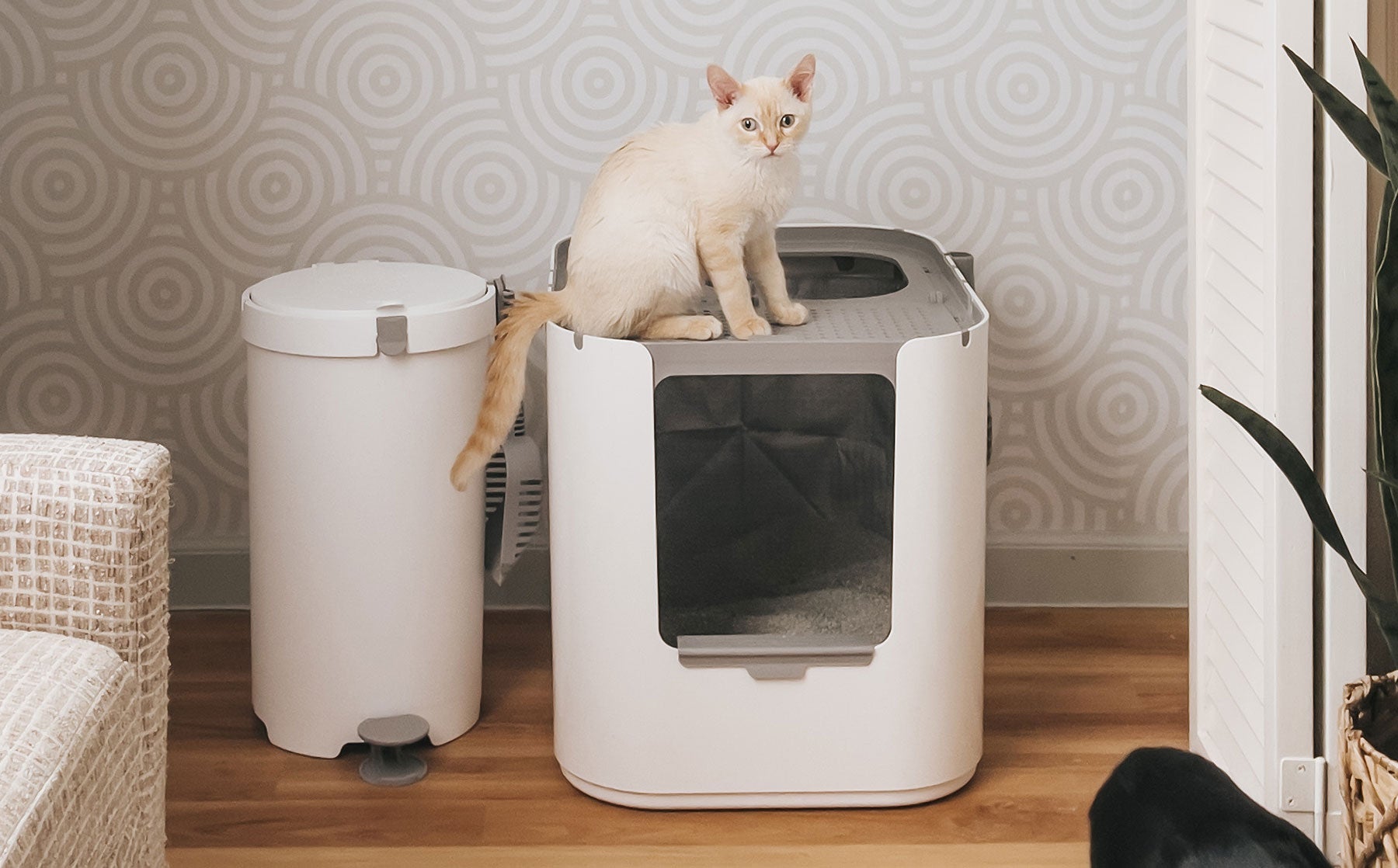
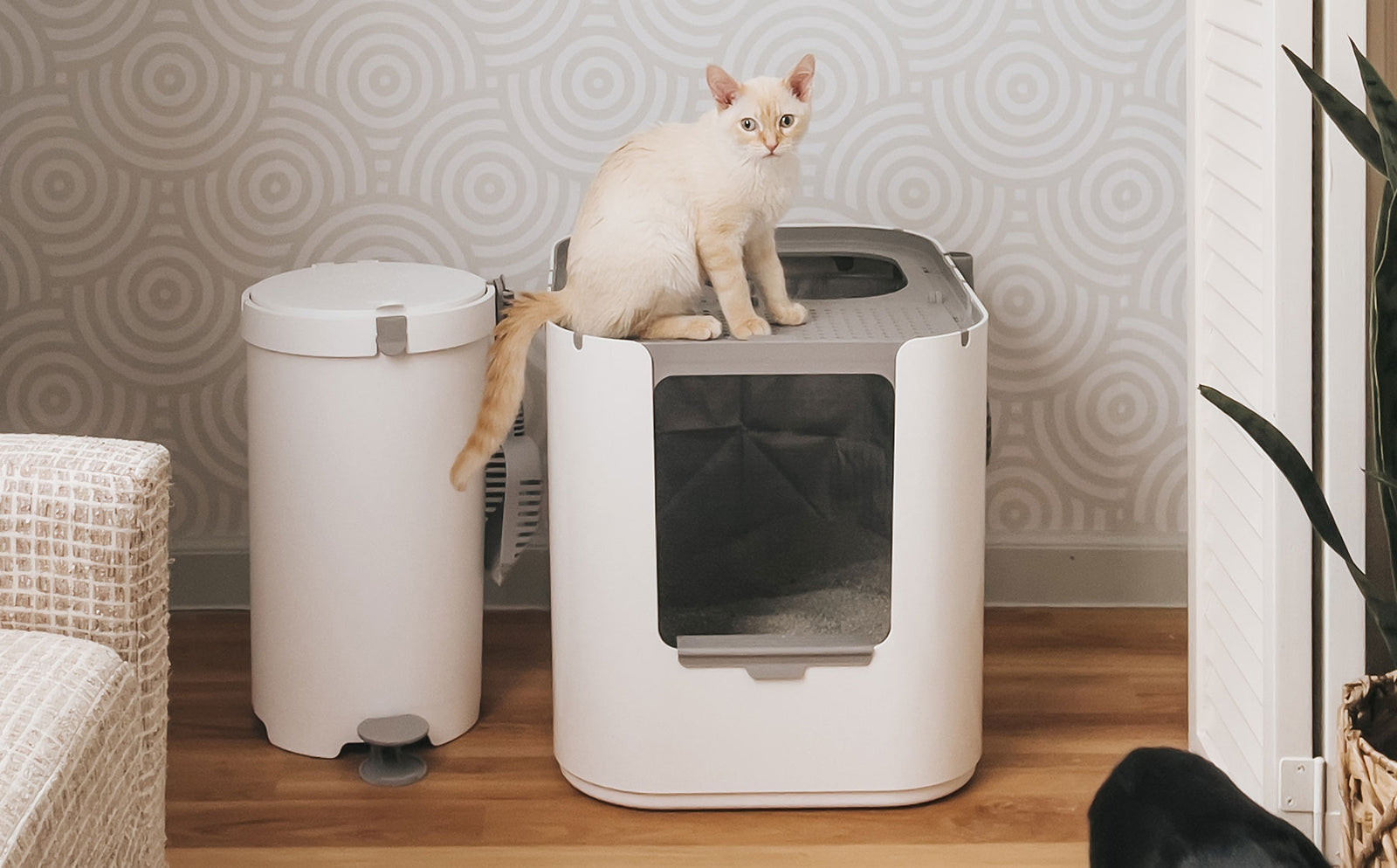
Covered litter boxes trap smells inside, but can make the box humid, which makes odours worse. Open boxes release smells but allow fresh air to circulate. Compare the two:
| Box Type | Odour Control | Cat Comfort | Cleaning Ease |
|---|---|---|---|
| Covered | High (short-term) | Some cats dislike | Harder to clean |
| Open | Moderate | Most cats like | Easy to clean |
Choose based on your cat’s habits. If you use a covered box, clean it more often.
Mistakes To Avoid
Many owners make mistakes that increase odour:
- Using too much litter—this traps urine at the bottom.
- Not replacing the box—plastic absorbs smells over time. Replace every 12-18 months.
- Ignoring medical issues—urine with strong, unusual odour can be a sign of illness. If odour persists, consult a vet.
It’s also common to use scented candles or sprays near the box. These can irritate your cat and only hide the smell, not remove it.
Credit: modkat.com
Non-obvious Insights
Two things most beginners miss:
- Litter depth matters: Use 2–3 inches of litter. Too much makes it hard for cats to dig; too little leaves the box dirty.
- Multiple boxes for multiple cats: For two cats, you need at least two boxes. One box per cat prevents crowding and odour build-up.
Comparing Odour Control Products
Let’s look at three popular odour solutions:
| Product | How It Works | Effectiveness | Cost |
|---|---|---|---|
| Baking soda additive | Absorbs smells | Good | Low |
| Enzyme spray | Breaks down odour | Excellent | Medium |
| Carbon air filter | Removes airborne smells | Very good | High |
Try combining two methods—litter with baking soda and an air filter—for best results.
Credit: modkat.com
Creating A Comfortable Routine
Cats feel stressed if their litter box is dirty or smelly. Stress can lead to accidents outside the box. Set a routine: scoop daily, wash weekly, and check for signs of discomfort. If your cat avoids the box, investigate quickly.
For more tips on cat care and odour control, visit ASPCA Cat Care.
Frequently Asked Questions
Why Does My Litter Box Smell Bad Even After Cleaning?
Odour can linger if urine soaks into the box or if you use the wrong litter. Try enzyme sprays and replace the box every 12-18 months.
How Often Should I Change All The Litter?
Replace all litter every 2–3 weeks, even if you scoop daily. Some types, like crystal, last longer.
Is Scented Litter Better For Odour Control?
Scented litter can mask smells, but some cats dislike the perfume. Unscented litter with baking soda or charcoal is often more effective.
Can I Use Bleach To Clean The Box?
Avoid bleach. Its strong smell can bother cats and mix with ammonia, creating harmful fumes. Use mild soap and hot water.
What If My Cat Refuses To Use The Litter Box?
Check for medical issues, stress, or dislike of the litter type. Try changing the litter, cleaning more often, or moving the box to a quieter spot.
Keeping your cat’s litter box fresh is not complicated, but it takes regular effort and the right products. Focus on good cleaning habits, smart placement, and high-quality litter. Small changes can make a big difference for both your cat and your home.