Many cat owners wonder, “How much litter should I put in the litter box? ” It’s a simple question, but the answer can make a big difference for both you and your cat. The right amount of litter keeps your home cleaner, your cat happier, and can even save you money.
But too much or too little litter causes problems—like mess, odor, and unhappy cats. Let’s look at how to get it right.
Why Litter Depth Matters
Getting the correct litter depth is more important than many people think. Cats have natural habits—they like to dig, bury, and cover their waste. If there’s not enough litter, your cat may avoid the box or leave mess on the bottom. With too much, litter gets kicked out or wasted. The right depth keeps smells away, lets your cat feel comfortable, and makes cleaning easier.
Not all cats are the same, though. Kittens, seniors, and cats with special needs may like different depths. Also, the type of litter and box size can change what’s best.
The Ideal Litter Depth
Most experts recommend a depth of 2 to 3 inches for standard clumping litter. But there’s no “one size fits all.” Here’s a guide for the most common litter types:
| Litter Type | Recommended Depth | Why This Depth? |
|---|---|---|
| Clumping clay | 2 to 3 inches | Easy to scoop, controls odor, lets cats dig |
| Non-clumping clay | 1.5 to 2 inches | Less digging needed, absorbs well |
| Crystal/silica | 1 to 2 inches | Absorbs moisture, needs less depth |
| Natural/plant-based | 2 to 3 inches | Soft, safe for digging, similar to soil |
For most homes, aim for 2 to 3 inches as a starting point. For large or deep boxes, you may need a little more, but rarely over 4 inches.
Signs You’re Using Too Much Or Too Little
It’s easy to misjudge how much litter to use. Here are some signs you may need to adjust:
- Too little: Waste sticks to the bottom, cat scratches the box, odor builds up, cat avoids the box.
- Too much: Litter spills over the sides, cat throws litter out when digging, box is heavy and hard to clean.
Some cats even tell you what they want. If your cat starts eliminating outside the box, try adjusting the amount of litter before changing brands.
Adjusting For Cat Preferences
Each cat has its own favorite way to use the litter box. Some like deep piles for digging and burying. Others prefer a thin layer. Watch how your cat uses the box:
- Diggers: If your cat likes to dig, stay closer to 3 inches.
- Minimalists: If your cat barely covers, try 1.5 to 2 inches.
- Kittens: Use less—about 1 inch—because they are small and may eat the litter.
- Senior cats: Keep it 1.5 to 2 inches for easy movement.
Cats with long hair sometimes do better with less litter to prevent it sticking to their fur.
Litter Box Size Matters
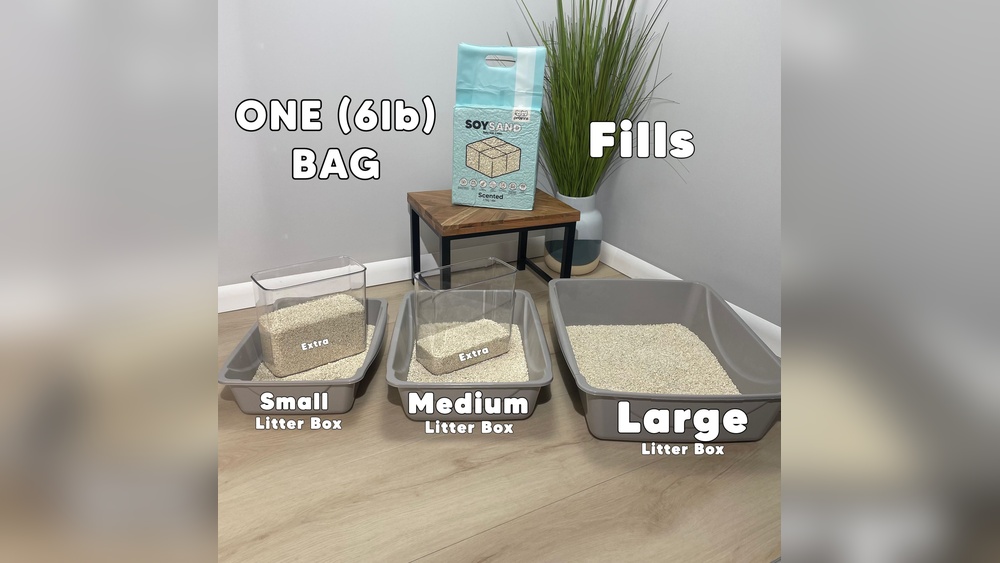
The size and shape of the litter box affects how much litter you need. A large, deep box holds more, but you don’t have to fill it up. Measure the bottom (not the top) for the right amount. For example, a box 18 inches by 14 inches:
- For 2 inches deep: About 5-6 cups of litter (1.2 to 1.5 liters)
- For 3 inches deep: About 8-9 cups of litter (2 liters)
A shallow box may need more frequent cleaning, but less litter per use.
Frequency Of Changing Litter
Adding the right amount is only half the story. You also need to refresh and change it often. Here’s a quick comparison of when to change litter based on type:
| Litter Type | How Often to Change Completely | How Often to Top Up |
|---|---|---|
| Clumping | Every 2-3 weeks | Every scoop (add small amounts) |
| Non-clumping | Every week | As needed (usually every 2-3 days) |
| Crystal | Every 3-4 weeks | Rarely—just mix |
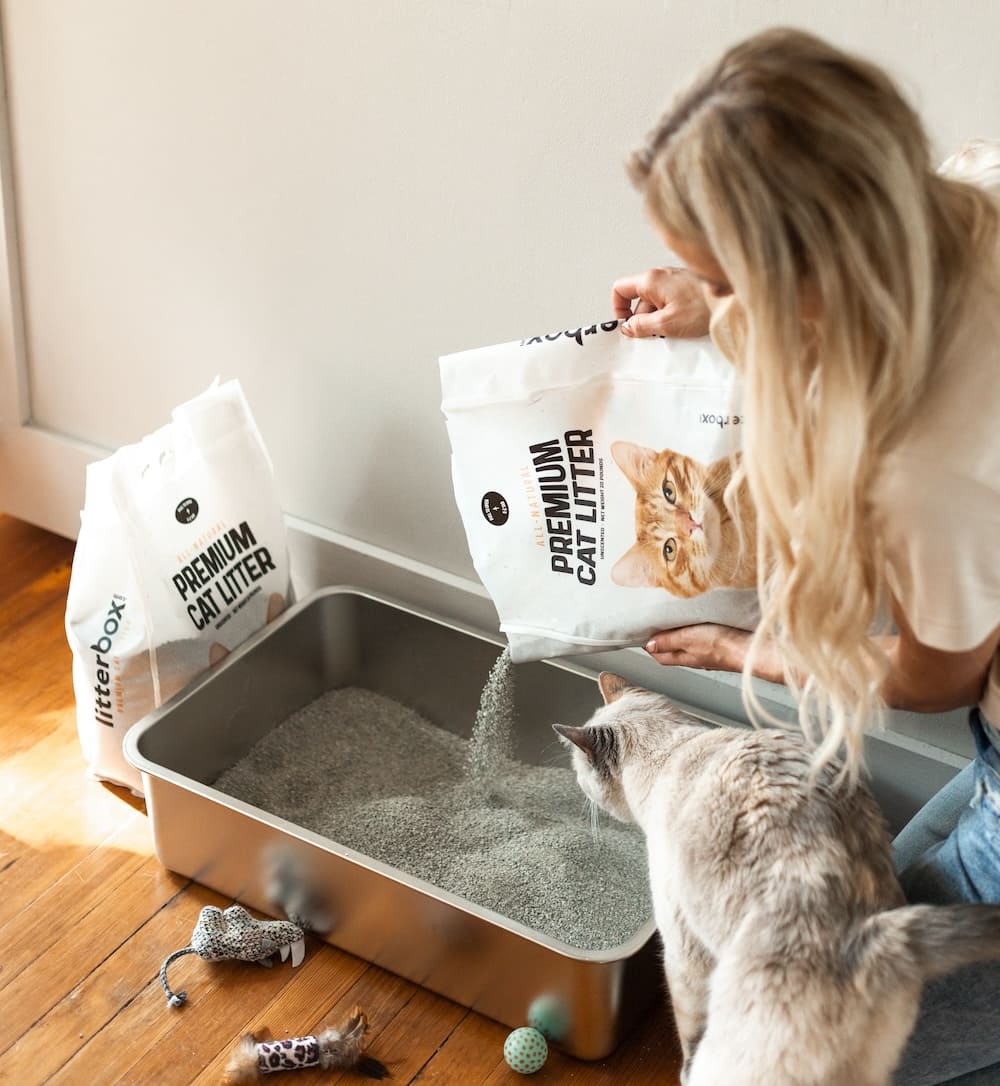
Keep the litter at the same depth by topping up after each scoop. Never let the litter get too low—it increases odor and makes cleaning harder.
Credit: www.litter-robot.com
Mistakes To Avoid
Even experienced owners make some common mistakes:
- Filling too high: More litter doesn’t mean less odor. It can waste litter and make a mess.
- Not enough: Skimping causes urine to pool and stick, which cats dislike.
- Ignoring the box shape: Tall boxes don’t need to be filled to the top.
- Switching brands too often: Changing litter types can stress cats, so adjust depth before changing brands.
- Not cleaning enough: Even with perfect depth, a dirty box makes cats avoid it.
Practical Tips For Best Results
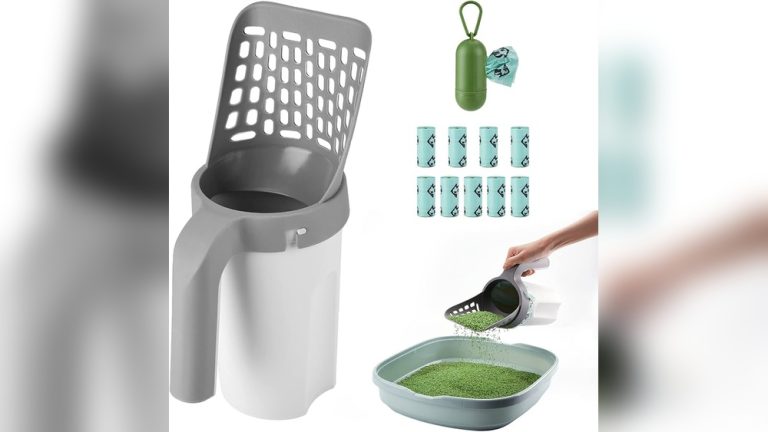
- Use a scooper to check how deep the litter is after each cleaning.
- If you use a liner, keep the litter at least 2 inches above the liner so cats don’t scratch through.
- Place the box in a quiet spot to help your cat relax and use the box properly.
- For multiple cats, use one box per cat plus one extra, and keep each box filled to the right depth.
- If you’re not sure, start with 2 inches, observe your cat for a week, and adjust as needed.

Credit: www.worldsbestcatlitter.com
Saving Money And Reducing Waste
You don’t need to fill the box to the brim to keep your cat happy. Using the right amount saves money over time. For example, using 2 inches instead of 4 inches can cut your litter use almost in half.
This also means less waste going to the landfill. Some eco-friendly litters can be composted if your city allows it.
If you want to read more about litter management and environmental impact, check the detailed article on Wikipedia.
Frequently Asked Questions
How Do I Measure The Right Amount Of Litter?
Use a ruler to measure from the bottom of the box up. Add litter until it reaches 2 to 3 inches high. For an average box, this is about 5-9 cups of litter.
Can I Mix Old And New Litter?
Yes, but only if the old litter is clean. Remove all waste first. Mixing helps cats adjust to new brands or types.
What If My Cat Keeps Throwing Litter Out?
Try lowering the litter level or using a box with higher sides. Some cats dig more, so you may need a special mat outside the box.
Should I Use More Litter For Multiple Cats?
No, don’t overfill. Use multiple boxes instead and keep each at the correct depth. Too much litter leads to waste and mess.
Is More Litter Always Better For Odor Control?
No. Proper scooping and cleaning matter more. Too much litter can actually make it harder to scoop out waste and may waste litter.
Getting the right amount of litter in the box can make your life—and your cat’s—much easier. Pay attention to your cat’s habits, adjust as needed, and keep the litter box clean. This small detail can prevent big problems and keep your home smelling fresh.

Credit: www.missinganimalresponse.com