How Many Cats In A Litter
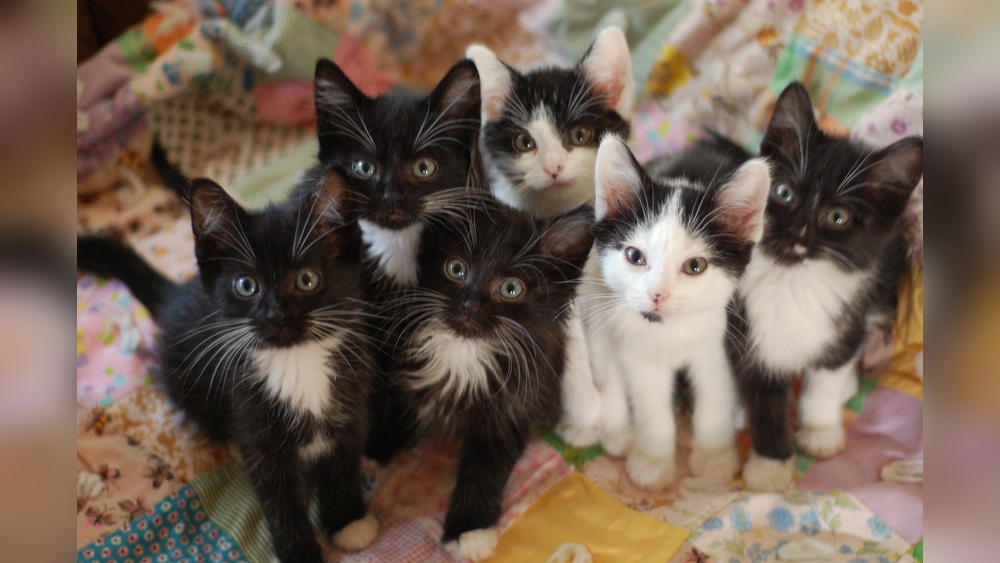
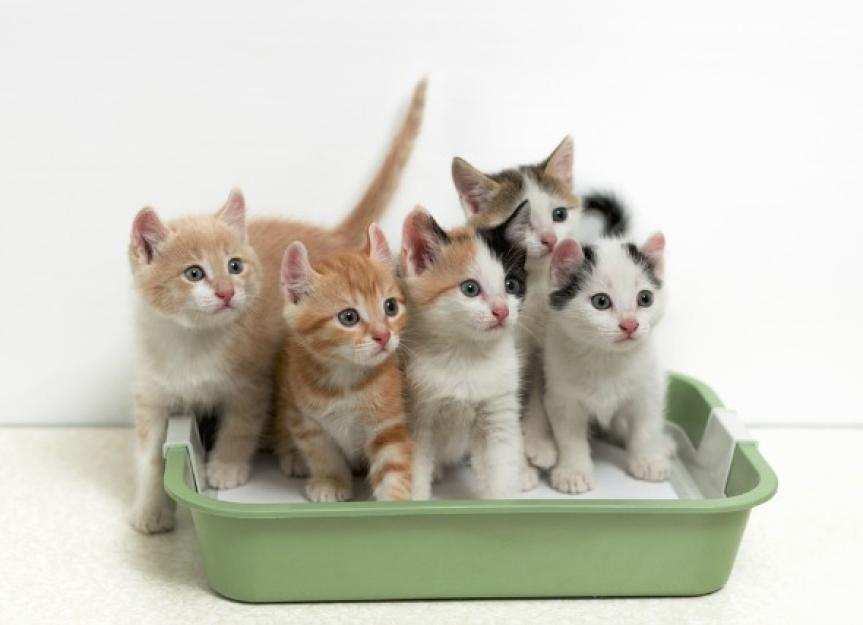
If you have ever seen a group of tiny kittens, you may wonder: how many cats are born together in one litter? The answer is not simple, as it depends on many things. Some cats have just one or two kittens, while others might surprise you with six or more. Understanding litter size helps new cat owners, breeders, and anyone who cares for cats. In this article, you will learn about the average litter size, what affects it, and what to expect when a cat gives birth.
Average Litter Size In Cats
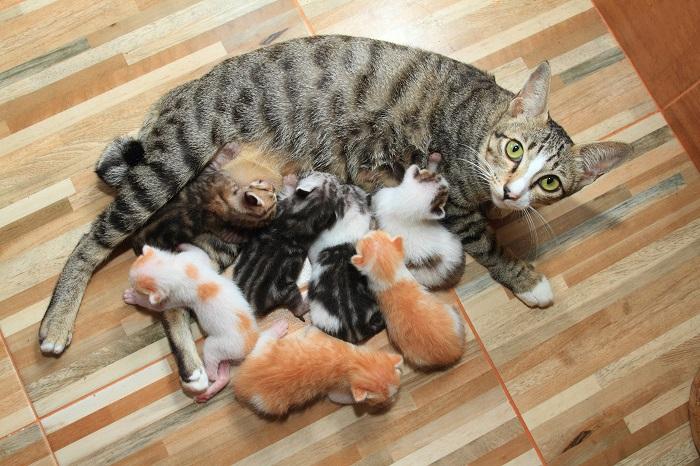
Most people are surprised to learn that the average cat litter is around 4 kittens. But this number can change a lot depending on the cat’s age, breed, health, and other factors.
Here is a quick look at common litter sizes:
- 1 to 2 kittens: Less common, often in older or first-time mothers
- 3 to 5 kittens: Most common range for healthy adult cats
- 6 to 8 kittens: Possible, especially in certain breeds or large, healthy mothers
Some rare cases have seen up to 12 kittens in one litter, but this is very unusual. The biggest recorded cat litter had 19 kittens, but not all survived.
Key Factors That Influence Litter Size
Many things decide how many kittens a mother cat, or queen, will have.
Age Of The Cat
- Young queens (under 1 year) usually have smaller litters, sometimes only 1–3 kittens.
- Prime age (1 to 6 years) cats tend to have the largest litters, often 4–6 kittens.
- Older cats (over 7 years) often have fewer kittens, and the risk of stillbirth or weak kittens increases.
Breed Differences
Breed affects not only a cat’s look but also litter size. Here is a comparison of popular breeds:
| Breed | Typical Litter Size |
|---|---|
| Siamese | 5–6 kittens |
| Persian | 3–4 kittens |
| Maine Coon | 4–6 kittens |
| British Shorthair | 3–5 kittens |
| Sphynx | 3–5 kittens |
Siamese and Maine Coons often have larger litters, while Persians tend to have smaller ones.
Health And Nutrition
A cat’s health and diet play a big role. Well-fed, healthy cats are more likely to have larger, healthier litters. Malnutrition or health problems can reduce the number of kittens and affect their survival.
Genetics And Previous Litters
Some cats are naturally likely to have larger or smaller litters due to genetics. Often, a queen’s first litter is smaller, and later ones are bigger.
Environment And Stress
Cats living in a safe, quiet place tend to have bigger litters. Stress, loud noises, and frequent changes can lower litter size and affect kitten health.
Credit: cats.com
What Happens During Cat Pregnancy
Knowing what to expect during a cat’s pregnancy helps you prepare for the new kittens.
- Gestation period: About 63 to 65 days (just over two months)
- Signs of pregnancy: Swollen belly, increased appetite, and more affectionate behavior
- Preparing for birth: Queens look for quiet, warm places to give birth
Cats often give birth at night or in private. Most queens handle everything themselves, but you should watch for problems, like long labor or kittens that are not moving.
Litter Size And Survival Rates
Not all kittens in a litter survive, especially in large litters or if the mother is unhealthy. Survival depends on:
- Birth weight: Heavier kittens are stronger and more likely to live
- Mother’s milk: Some mothers cannot feed very large litters, so weaker kittens may not get enough food
- Veterinary care: Early help can save weak kittens
Here’s how litter size can affect kitten survival:
| Litter Size | Average Survival Rate |
|---|---|
| 1–3 kittens | 90–100% |
| 4–6 kittens | 85–95% |
| 7+ kittens | 75–90% |
If you notice a kitten is not feeding or is much smaller, it may need extra help.

Credit: www.tuftandpaw.com
Examples: Real-life Litter Sizes
To give you a better idea, here are a few examples:
- A young Siamese cat gave birth to 6 healthy kittens.
- An older Persian had only 2 kittens, but both survived.
- A Maine Coon queen delivered 8 kittens, but two were much smaller and needed bottle feeding.
- A first-time British Shorthair had just 3 kittens, but her next litter was 5.
These examples show how much litter size can change, even in the same cat.
Why Litter Size Matters For Cat Owners
Understanding how many cats in a litter helps owners and breeders plan better. Here’s why it matters:
- Preparation: More kittens mean more food, space, and care needed.
- Health risks: Large litters can stress the mother and lead to weaker kittens.
- Finding homes: More kittens means more effort to find good homes.
One common mistake is not preparing for the maximum possible kittens. Even if your cat had a small first litter, the next one could be bigger.
Credit: www.petmd.com
What To Do After The Kittens Are Born
After the birth, your main job is to:
- Make sure all kittens are breathing and moving.
- Let the mother clean and feed them.
- Watch for kittens that do not feed or look weak.
- Contact a vet if you notice bleeding, fever, or kittens that do not move.
For large litters, sometimes you need to supplement feed the smallest kittens with kitten formula.
Two Insights Beginners Often Miss
- Litter size is not fixed: The same cat can have different numbers of kittens with each pregnancy. Do not assume the number will always be the same.
- Neutering prevents surprises: If you do not plan to breed your cat, neutering is the best way to avoid unexpected large litters, which can be hard to care for.
Frequently Asked Questions
How Many Kittens Can A Cat Have In Her First Litter?
Most first-time mothers have 2 to 4 kittens. The number can be smaller because the cat’s body is still adjusting to pregnancy.
Can A Cat Get Pregnant Again While Nursing Kittens?
Yes, cats can get pregnant soon after giving birth, sometimes even while still nursing. It is best to keep the mother away from male cats until she is spayed.
What Is The Largest Cat Litter Ever Recorded?
The largest known cat litter was 19 kittens, born to a Burmese/Siamese mix in the UK in 1970. Not all kittens survived, which is common in very large litters.
Do Indoor Cats Have Bigger Litters Than Outdoor Cats?
Indoor cats often have slightly larger and healthier litters because they are less stressed and have better nutrition. Outdoor cats may have smaller litters due to stress and limited food.
When Should I Call A Vet During My Cat’s Labor?
Call a vet if labor lasts more than 2 hours without a kitten, if there is heavy bleeding, or if any kitten looks weak or does not breathe after birth.
Bringing new kittens into the world is exciting, but it also comes with responsibility. Knowing how many cats are usually in a litter helps you prepare for the big day and care for both mother and kittens. For more details on cat breeding and care, you can visit Wikipedia: Feline Reproduction. With the right care and knowledge, you can give every kitten the best possible start in life.