Traveling with pets is becoming more common. Whether you have a small dog, cat, or other animal friend, bringing them on an airplane can make a trip more enjoyable. But not all pet carriers are allowed on planes. If you want to keep your pet safe and avoid problems at the airport, you need a pet carrier approved by airlines. This guide explains how to find the right carrier, what rules you must follow, and which features matter most for a smooth journey.
What Is An Airline-approved Pet Carrier?
An airline-approved pet carrier is a bag or crate that meets airline rules for size, safety, and comfort. Airlines want to make sure pets can move, breathe, and stay calm during flights. Most carriers must fit under the seat in front of you, especially for in-cabin travel.
The rules can be strict, and they often change from one airline to another. For example, Delta, United, and American Airlines each have their own size limits. But some features are always important:
- Ventilation on at least two sides
- Waterproof bottom to avoid messes
- Zippered, secure closures to keep pets inside
- Enough space for your pet to stand, turn, and lie down
Choosing a carrier that fits these rules means you won’t get stopped at the gate.
Key Features Of Airline-approved Carriers
Not all carriers are the same. Here are the most important features to look for:
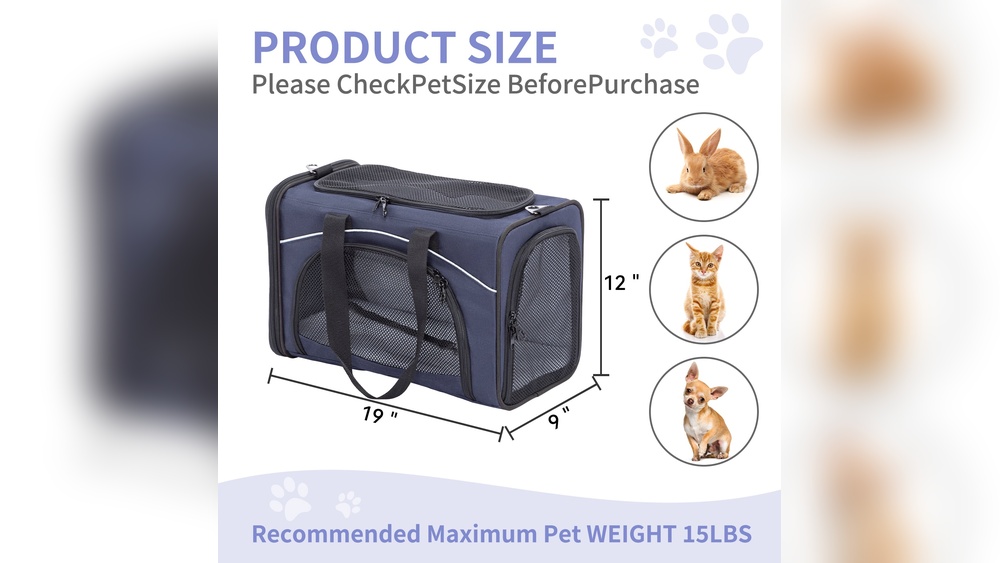
- Correct Size: Carriers must fit under the seat. The inside should let your pet move easily. Most airlines allow around 18 x 11 x 11 inches, but always check with your airline.
- Sturdy Construction: A weak carrier can break or collapse. Look for strong zippers, reinforced seams, and a solid frame.
- Good Ventilation: Mesh sides or windows help your pet breathe and see out.
- Leak-Proof Base: Accidents happen. A waterproof bottom keeps your pet dry and protects the plane.
- Comfortable Interior: Soft mats or pads help pets relax. Some carriers have removable, washable pads.
- Easy to Carry: Handles, shoulder straps, or wheels make transport easy, especially if you have other bags.
- Escape-Proof: Secure doors and strong mesh prevent clever pets from escaping.
Here is a quick comparison of common carrier types:
| Carrier Type | Pros | Cons |
|---|---|---|
| Soft-sided | Flexible, lightweight, fits under seats | Less sturdy, may not suit big pets |
| Hard-sided | Durable, more protection | Heavier, less flexible for under-seat |
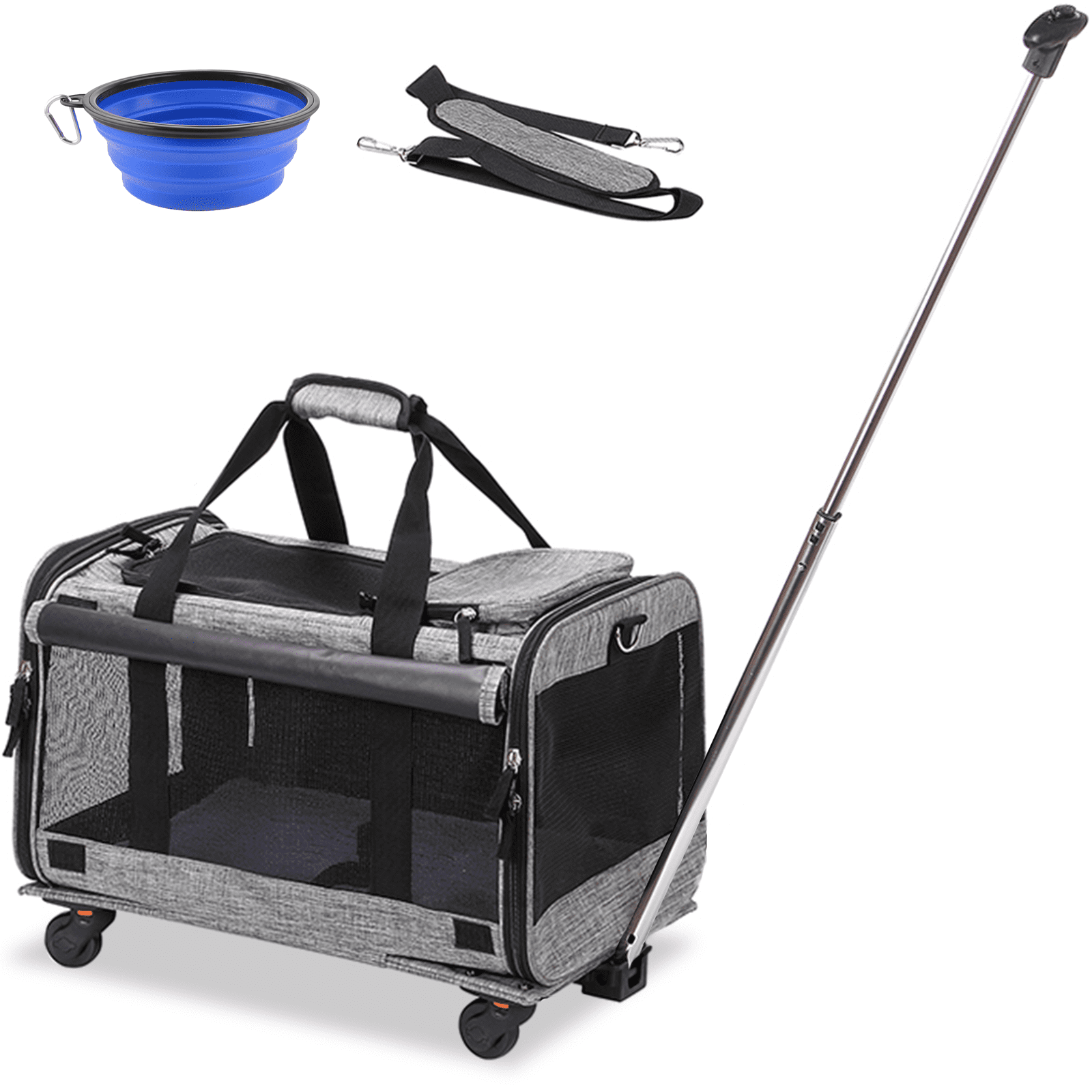
| Wheeled | Easy to move, good for heavy pets | Heavier, may not fit all seat spaces |
Credit: www.walmart.com
How To Choose The Best Pet Carrier
Finding the right carrier is about more than just size. Think about your pet’s needs and your travel plans. Here’s how to choose with confidence:
- Measure your pet: Length, height, and weight all matter. Airlines may weigh the carrier with the pet inside.
- Check airline rules: Each company publishes its own limits. Some allow larger carriers, others are strict.
- Soft vs. hard-sided: Soft carriers are best for in-cabin travel. Hard carriers are better for checked baggage or cargo.
- Test at home: Let your pet get used to the carrier. This reduces stress on the travel day.
- Look for airline tags: Some brands mark carriers as “airline-approved,” but always check the measurements.
Here’s a sample size chart for top airlines:
| Airline | Max Carrier Size (inches) | Pet Weight Limit (lbs) |
|---|---|---|
| Delta | 18 x 11 x 11 | 16 |
| American Airlines | 19 x 13 x 9 | 20 |
| United | 18 x 11 x 11 | 17 |
Pro tip: Always call the airline before you fly. Rules can change, and staff can answer special questions.
Common Mistakes When Traveling With Pets
New travelers often make mistakes. Avoid these common problems:
- Choosing the wrong size: If the carrier is too big, it won’t fit. Too small, your pet will be stressed.
- Not preparing your pet: Pets can panic if they’re not used to the carrier. Practice at home.
- Ignoring airline rules: One airline may accept your carrier, another may not.
- Forgetting documents: Some airlines ask for health certificates or vaccination records.
- Not labeling the carrier: Add your name, phone number, and pet’s name for safety.
Top Tips For A Smooth Flight
Travel can be stressful for pets. Here are ways to make it easier:
- Feed your pet a few hours before the flight, not right before boarding.
- Add a familiar item to the carrier, like a blanket or toy.
- Arrive early at the airport to handle check-in calmly.
- Stay calm: Pets sense your stress. Speak softly and move slowly.
- Ask for help if you’re unsure about any rule.
Recommended Brands And Carriers
Some brands are known for making airline-approved carriers. Here are a few trusted names:
- Sherpa Original Deluxe: Flexible, fits most airline rules, soft-sided.
- Sleepypod Air: Expands for comfort, fits under most seats.
- Petmate Sky Kennel: Hard-sided, good for cargo and checked pets.
- SturdiBag: Very light, strong mesh, used by many pet owners.
Always check the latest measurements before buying, as models can change.
:max_bytes(150000):strip_icc()/tal-dagne-dover-kyoto-pet-carrier-anna-popp-08-9406971cc4904f9486566643b31a1840.jpeg)
Credit: www.travelandleisure.com
Special Cases: International Travel And Unusual Pets
If you are flying overseas or with a less common pet (like a rabbit or bird), the rules may be different. Some countries need special paperwork or quarantine. Airlines might not allow certain animals in the cabin. Always research your destination and call the airline for advice.
For more details on worldwide pet travel regulations, you can visit the International Air Transport Association (IATA).
Frequently Asked Questions
What Size Pet Carrier Is Approved For Airlines?
Most airlines allow carriers up to about 18 x 11 x 11 inches for in-cabin use. Always check your airline’s website for the exact size.
Can I Use A Hard-sided Carrier In The Airplane Cabin?
Some airlines allow hard-sided carriers if they fit under the seat. However, soft-sided carriers are usually easier to fit and more comfortable for pets.
Do All Airlines Have The Same Pet Carrier Requirements?
No, requirements vary by airline. Always check with your airline before you travel to avoid surprises at check-in.
How Do I Help My Pet Get Used To The Carrier?
Let your pet explore the carrier at home before travel. Add a favorite blanket or treat to make it a safe, happy place.
Are There Extra Fees For Bringing A Pet In-cabin?
Yes, most airlines charge a pet fee for in-cabin travel. Fees range from $75 to $200 per flight, depending on the airline.
Choosing the right pet carrier approved by airlines takes planning, but it keeps your pet safe and your trip worry-free. With the right carrier, good preparation, and a calm approach, flying with your pet can be a smooth and enjoyable experience for both of you.

Credit: arloskye.com