
Many cat owners wonder if their feline friend truly likes them. Unlike dogs, cats are less obvious about their feelings. But, when you know what to look for, the signs become much clearer. Felines show affection in unique ways—sometimes subtle, sometimes bold.
Understanding these signals not only deepens your bond but also helps you respond better to your cat’s needs. This guide explains the main signs that your cat likes you, mixes in some lesser-known cues, and points out a few behaviors that often confuse new cat owners.
Why Cats Show Affection Differently
Cats are both predators and prey by nature. This background makes them more cautious and private with their feelings. Unlike dogs, who have evolved to work closely with humans, cats kept more of their wild instincts. So, their affection often looks different from what we expect.
Main Signs Your Cat Likes You
If you want to know if your cat likes you, watch for these clear behaviors. Some are easy to spot, while others might surprise you.
1. Head Bumping And Rubbing
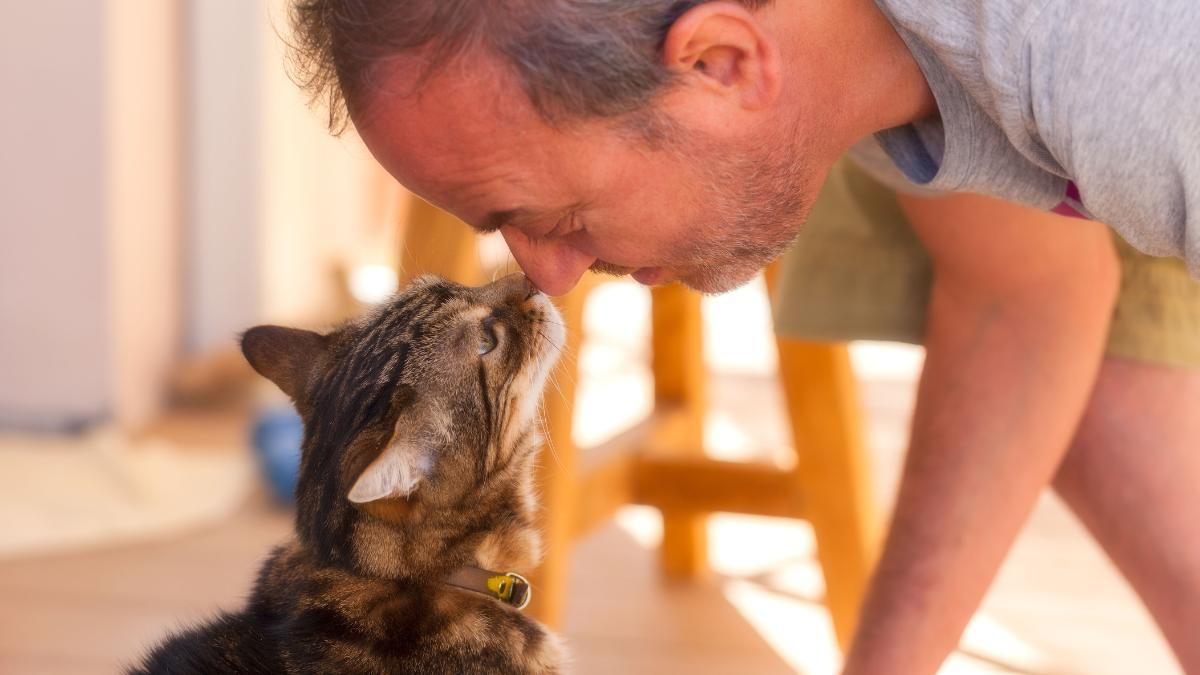
When your cat bumps their head or rubs their face against you, they are marking you with their scent. This is a strong sign of trust and affection. Cats have scent glands on their cheeks and forehead. By rubbing on you, they claim you as part of their group.
2. Slow Blinking
A slow blink from a cat is often called a “cat kiss. ” If your cat looks at you and closes its eyes slowly, it means they feel safe. Try slow blinking back—many cats will return the gesture. This is a non-verbal sign of love.
3. Following You Around
If your cat follows you from room to room, it means they want to be near you. This behavior is a clear sign that your presence is comforting or interesting to them.
4. Showing Their Belly
A cat exposing its belly is a big deal. It means total trust, as this is their most vulnerable area. Be careful, though—not all cats want belly rubs. Often, it’s just a sign they feel safe around you.
5. Purring
Cats purr for many reasons, but if your cat purrs when you are near, petting them, or when they’re relaxed with you, it’s usually a sign of happiness and affection.
6. Bringing You “gifts”
Some cats bring their owners “gifts” like toys, socks, or even prey if they go outside. While it may seem strange, it’s their way of sharing and showing care.
7. Kneading
Kneading with their paws, often called “making biscuits,” is a sign of comfort. Kittens knead their mothers for milk, so this action as adults often means they feel safe and content.
8. Sleeping Near You
Cats are vulnerable when they sleep. If your cat chooses to sleep on you or next to you, it’s a strong sign they trust and like you.
9. Tail Position
A cat’s tail says a lot. A tail held high, especially with a little curve at the end, means your cat feels good around you. If your cat wraps its tail around your arm or leg, it’s another sign of affection.
10. Licking And Grooming
Cats groom each other to bond. If your cat licks your hand or hair, they are treating you as family.

Credit: sigra.com
Common Cat Behaviors That Confuse Owners
Some feline actions are easy to misread. Here’s a quick comparison of common cat behaviors and what they really mean:
| Behavior | Possible Meaning | Affection? |
|---|---|---|
| Exposing belly | Trust, but not always an invite to pet | Usually |
| Walking away after being petted | Overstimulation | Not negative |
| Biting gently during play | Playfulness | Can be |
| Ignoring you | Independence | Neutral |
Two Signs Most Owners Miss
Some signs of feline affection are so subtle that many people miss them:
1. Slow Tail Flicks When Relaxed
If your cat sits near you and slowly flicks their tail while looking calm, it means they feel at ease with you. Fast, twitchy tail movements usually mean irritation, but slow, gentle flicks are positive.
2. Soft Chirps And Trills
Cats sometimes make special sounds, different from meows, when greeting their favorite people. These soft noises are friendly and show excitement or happiness.

Credit: www.youtube.com
How Cat Affection Changes With Age
Cats’ ways of showing love can change as they get older. Kittens may be more playful and physically clingy, while adult or senior cats might show affection by simply being near you or quietly watching you.
Here’s a quick look at how cat affection can change by age:
| Age | Common Affection Signs |
|---|---|
| Kitten | Kneading, following, playful biting |
| Adult | Sleeping near, head rubbing, slow blinking |
| Senior | Sitting close, soft purring, gentle head butts |
What Not To Mistake For Affection
It’s easy to confuse some behaviors with affection when they may mean something else:
- Meowing loudly at night: This often means your cat wants attention, food, or is bored—not always affection.
- Kneading while biting a blanket: This can sometimes be a sign of stress, not just comfort.
- Following you only at feeding times: This can mean your cat is more interested in food than in you.
Tips For Building A Stronger Bond
If you want your cat to like you more, try these proven tips:
- Spend time playing with your cat every day.
- Respect their need for space—don’t force attention.
- Use treats and gentle petting to reward positive behavior.
- Try slow blinking or gentle talk to build trust.
Remember, every cat is unique. Some cats are more outgoing, while others are shy. Be patient, and let your cat set the pace.
Frequently Asked Questions
How Do I Know If My Cat Trusts Me?
A trusting cat will sleep near you, show their belly, or slow blink at you. Trust grows over time as you respect their boundaries.
Why Does My Cat Bite Me Gently?
Gentle bites, especially during play, are usually a form of playful affection. If biting becomes hard or frequent, it may mean your cat is overstimulated.
What Does It Mean If My Cat Ignores Me?
Cats are independent animals. Ignoring you doesn’t mean dislike—it’s often just their way of saying they need alone time.
Can A Shy Cat Show Affection?
Yes, shy cats often show affection in subtle ways, like sitting close, slow blinking, or rubbing against your legs when you’re not looking directly at them.
Do Cats Love Their Owners Like Dogs Do?
Cats love differently than dogs. Their affection is more subtle and depends on trust. For more about cat behavior, see this Wikipedia article on cat behavior.
Building a bond with your cat is a rewarding journey. Watch for the signs, respond with care, and you’ll soon know exactly how much your cat likes you.
Credit: www.laveenvetcenter.com