
Dog Supplement Joints: What Every Pet Owner Should Know
Watching your dog struggle to stand up or play can be heartbreaking. Joint problems are common, especially as dogs get older or if their breed is prone to hip or elbow issues. This is why dog supplement joints have become popular with pet owners who want to support their dogs’ comfort and mobility. But what do these supplements actually do? Are they safe and effective? Here’s what you need to know before adding joint supplements to your dog’s routine.
Why Dogs Need Joint Supplements
Dogs use their joints every day—jumping, running, climbing stairs. Over time, these movements can cause wear and tear. Larger breeds, overweight dogs, and seniors are at higher risk. Joint problems like osteoarthritis or hip dysplasia can cause pain, stiffness, and a lower quality of life.
Joint supplements aim to:
- Reduce inflammation
- Protect cartilage
- Improve mobility
Supplements are not a cure, but they can make a noticeable difference for many dogs. Vets often recommend them alongside weight control, exercise, and sometimes medications.
Key Ingredients In Dog Joint Supplements
Not all joint supplements are the same. The ingredients make a big difference in how effective they are. Here are the most common and researched components:
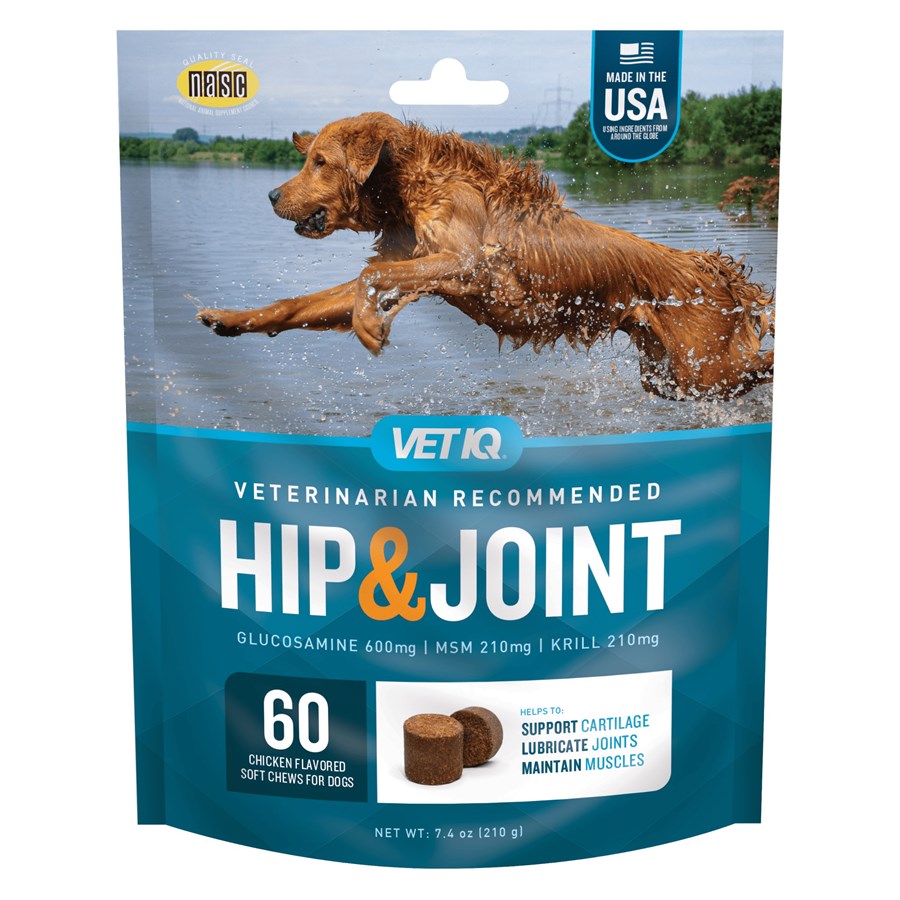
- Glucosamine: Supports cartilage repair and helps build new joint tissue. It’s often the main ingredient.
- Chondroitin Sulfate: Works with glucosamine to keep cartilage flexible and absorb shock.
- MSM (Methylsulfonylmethane): An organic sulfur compound that reduces pain and inflammation.
- Hyaluronic Acid: Helps keep joints lubricated, reducing friction.
- Green-Lipped Mussel: A natural source of omega-3 and other nutrients that fight inflammation.
- Turmeric (Curcumin): An antioxidant that reduces swelling in the joints.
- Collagen: Supports the structure of cartilage and joint tissue.
Some products also include vitamins C and E, or omega-3 fatty acids from fish oil, for extra antioxidant support.
Credit: www.petcarerx.com
How To Choose The Right Supplement
Picking a joint supplement can be overwhelming. Here are the most important things to consider:
| Factor | What Matters |
|---|---|
| Ingredient Quality | Look for clinical-grade or vet-recommended brands |
| Form | Chews, powders, or liquids—choose what your dog will eat |
| Dosage | Check for the right amount based on your dog’s weight |
| Research | Pick brands with published results or vet approval |
Always check with your vet before starting any supplement, especially if your dog has health problems or takes other medications.
Comparing Popular Dog Joint Supplements
Many brands offer joint support supplements, but not all are equally effective. Below is a comparison of popular options based on main ingredients, price, and recommended for:
| Brand | Main Ingredients | Price Range (USD) | Best For |
|---|---|---|---|
| Dasuquin | Glucosamine, Chondroitin, MSM | 40-60 | Senior, large breeds |
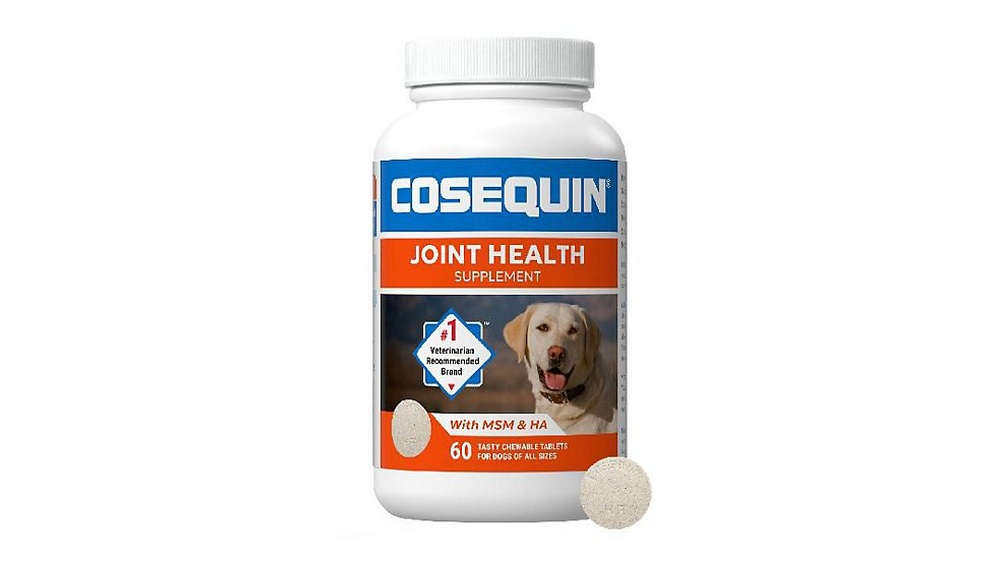
| Cosequin | Glucosamine, Chondroitin | 30-50 | All ages |
| Nutramax Welactin | Omega-3, Fish Oil | 20-40 | Dogs with skin/joint needs |
| VetriScience GlycoFlex | Green-Lipped Mussel, Glucosamine | 25-45 | Active, working dogs |
It’s a good idea to read reviews and ask your vet which brands they recommend for your dog’s breed and age.

Credit: www.petsmart.com
How Supplements Work And What To Expect
Joint supplements work gradually. Most owners notice changes in 4-8 weeks. You may see your dog:
- Moving more easily
- Playing for longer periods
- Having less stiffness after rest
But not all dogs respond the same way. Genetics, age, and severity of joint problems matter. Supplements often work best when started early, before severe damage happens.
A common mistake is expecting instant results. Consistency is key—give the supplement daily and follow the recommended dose.
Safety And Side Effects
Most joint supplements are safe for dogs. Side effects are rare but can include:
- Upset stomach
- Diarrhea
- Allergic reaction (especially with shellfish ingredients)
If you notice vomiting, itching, or major changes after starting a supplement, stop giving it and contact your vet.
Watch out for “miracle cure” claims or brands with no clear ingredient list. Some supplements use fillers or low doses that do little to help.
Real-world Example
A 9-year-old Labrador Retriever named Max had trouble getting up and seemed stiff after walks. His owner started a glucosamine and chondroitin supplement recommended by their vet. After 6 weeks, Max moved more freely and played with other dogs at the park again.
While he still had some stiffness on cold days, the supplement made his daily life easier.
Practical Tips For Success
- Start with the recommended dose and adjust only with your vet’s guidance.
- Combine supplements with daily gentle exercise and a healthy weight.
- Use a calendar or app to remember daily doses.
- Store supplements in a cool, dry place to preserve freshness.
- Track changes in your dog’s movement and mood to see if the supplement helps.
Cost Vs. Benefit: Is It Worth It?
Supplements are an investment. Some cost $1-2 per day for large breeds. But when compared to vet visits and pain medications, they can save money in the long run. Dogs often need less pain medicine when using supplements consistently.
Here’s a quick look at cost over six months for a medium-sized dog:
| Supplement | Average Monthly Cost (USD) | 6-Month Total |
|---|---|---|
| Basic Glucosamine | 20 | 120 |
| Premium Combo (with MSM, Omega-3) | 35 | 210 |
When To Talk To Your Vet
If your dog is limping, refusing to exercise, or seems in pain, don’t rely only on supplements. See your vet for a full checkup. Sometimes x-rays or blood tests are needed. Supplements work best as part of a bigger plan, not as the only solution.
Your vet may also recommend physical therapy, prescription drugs, or surgery for serious cases. For more in-depth medical guidance, check this American Veterinary Medical Association resource.

Credit: www.ferapets.com
Frequently Asked Questions
How Long Does It Take For Dog Joint Supplements To Work?
It usually takes 4-8 weeks to see improvement. Some dogs may show changes sooner, but most need daily use for a month or more before you notice less stiffness and better movement.
Can Puppies Take Joint Supplements?
Most puppies do not need joint supplements unless recommended by a vet, especially for breeds prone to hip or elbow problems. Giving supplements too early is not usually necessary.
Are Human Joint Supplements Safe For Dogs?
No, do not give your dog human supplements. They can have unsafe doses or ingredients. Always use products made for dogs and check with your vet first.
What Are The Signs My Dog Needs Joint Support?
Warning signs include stiffness, limping, slow movement, reluctance to jump or climb stairs, and less interest in play. If you see these, talk to your vet about joint health.
Can I Stop Giving The Supplement If My Dog Improves?
Stopping the supplement usually causes symptoms to return. Most dogs need long-term use to keep seeing benefits. Always talk to your vet before making changes.
A little planning and the right supplement can help your dog stay active and happy for years. Supporting joint health is one of the best gifts you can give your furry friend.