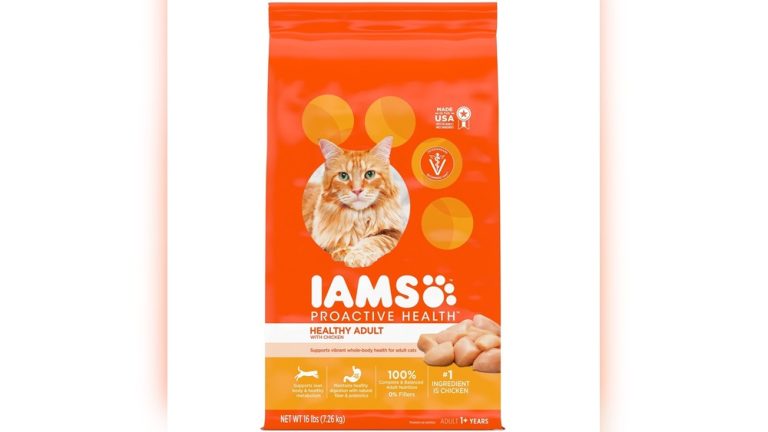
Milk Bone Ingredients: What’s Inside Your Dog’s Favorite Treat
Milk Bone dog biscuits are a classic treat for millions of dogs. Their red box is easy to spot, and many owners trust them for rewards, training, or just to make their pets happy. But what is actually inside a Milk Bone? Understanding the ingredients can help you make better choices for your dog’s health. Whether your dog is picky, has allergies, or you want to avoid certain additives, knowing what goes into Milk Bones matters.
Let’s break down each ingredient, see how they compare with other brands, and explain what these components mean for your dog. You’ll also learn about common myths, real nutrition, and how Milk Bones fit into a balanced diet.
Key Ingredients In Milk Bone Dog Biscuits
The original Milk Bone formula has stayed similar for decades, though some changes have been made. Here are the main ingredients found in classic Milk Bone biscuits:
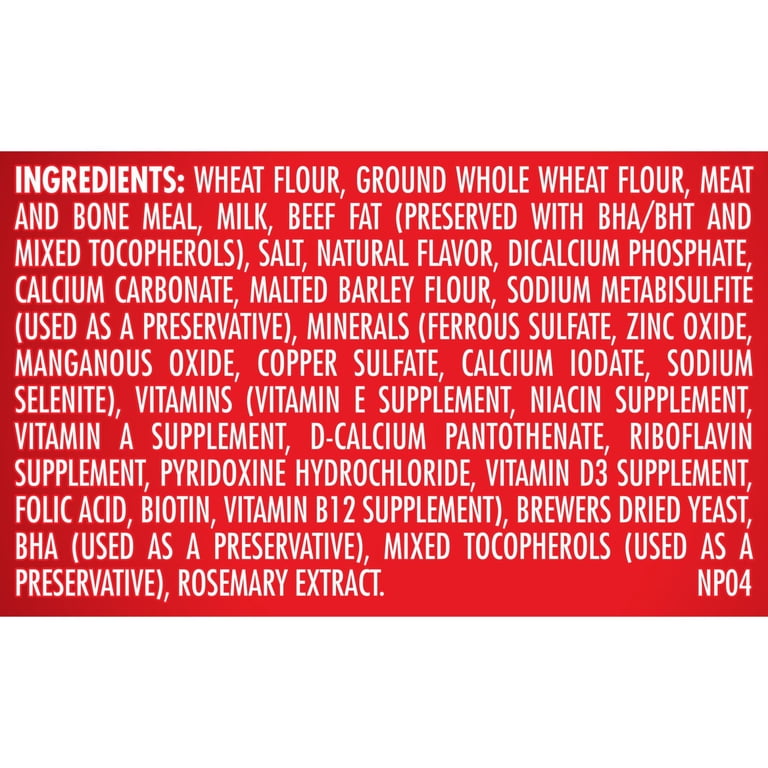
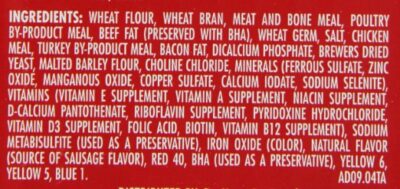
1. Wheat Flour
This is the base ingredient. It provides carbohydrates and gives the biscuit structure. Wheat flour is common in many dog treats but can cause allergies in some dogs.
2. Meat And Bone Meal
This ingredient adds protein and flavor. It includes parts of animals (like beef or chicken) that are processed and dried. Meat and bone meal is often debated, but it supplies important amino acids.
3. Milk
The reason behind the name “Milk Bone. ” Milk is used in small amounts to add flavor and calcium. Most dogs can digest milk in treats, but some may have sensitivities.
4. Salt
Salt helps with taste and preservation. It’s used in moderation; too much salt can be harmful, but in small amounts it’s safe.
5. Bacon Fat
Bacon fat increases taste appeal. It also adds some fat content, which is important for energy but should not be overdone.
6. Minerals
Milk Bone biscuits contain minerals such as calcium carbonate, ferrous sulfate, and zinc oxide. These help with bone strength, blood health, and immunity.
7. Vitamins
Important vitamins like Vitamin E supplement, Vitamin B12 supplement, Niacin, and Riboflavin are added. They support overall health, skin, and metabolism.
8. Preservatives
Ingredients like BHA and BHT keep the treats fresh. There is ongoing debate about these additives, but they are approved for use in pet foods.
9. Natural Flavor
This enhances the taste without being specific about the source. It may come from meat or vegetables.
10. Dried Yeast
Yeast is a source of B vitamins and gives a pleasant aroma. It also helps with digestibility.
11. Corn
Some Milk Bone products use corn as a filler. It’s a cheap carbohydrate but not necessary for all dogs.
12. Sugar
Added sugar is minor, mainly for taste. Excess sugar is not ideal for dogs, but the amount in Milk Bones is low.
Comparing Milk Bone Ingredients With Other Treats
Many dog owners wonder if Milk Bones are healthier or safer than other brands. Here’s a simple comparison between Milk Bone, Blue Buffalo Health Bars, and Pedigree Biscuits:
| Brand | Main Protein Source | Grains Used | Added Preservatives | Added Sugar |
|---|---|---|---|---|
| Milk Bone | Meat & bone meal | Wheat, corn | BHA, BHT | Yes |
| Blue Buffalo | Chicken meal | Oat, barley | No artificial | No |
| Pedigree | Meat & bone meal | Wheat, corn | Mixed | Yes |
As you can see, Milk Bone uses wheat flour and meat and bone meal similar to Pedigree, but Blue Buffalo uses more whole grains and fewer artificial additives. For dogs with grain allergies or sensitivities, Milk Bone may not be the best choice.

Credit: shop.topsmarkets.com
Nutritional Value Of Milk Bone Ingredients
Milk Bone biscuits are not meant to be a complete meal. They are a treat, so their nutrition is focused on taste and minor supplements. Here’s a quick overview of the nutritional content per biscuit (average size):
| Nutrient | Amount per biscuit | Purpose |
|---|---|---|
| Protein | 2g | Muscle repair |
| Fat | 1g | Energy |
| Carbohydrate | 7g | Quick energy |
| Calcium | 15mg | Bone health |
| Vitamin E | 0.5mg | Antioxidant |
Most dogs tolerate Milk Bones well, but they should not eat too many. Treats should be less than 10% of your dog’s daily calories.
Common Concerns And Myths About Milk Bone Ingredients
Many owners worry about meat and bone meal, artificial preservatives, and sugar. Let’s clear up some confusion:
- Meat and bone meal is not dangerous if sourced properly. It’s used in pet food for protein.
- BHA and BHT are approved by the FDA but are controversial. Studies in humans show risks, but the amounts in Milk Bones are much lower.
- Sugar is present, but not in high quantities. Still, dogs with diabetes or obesity should avoid treats with sugar.
One insight many owners miss: Milk Bone biscuits are not allergy-friendly. Dogs with food allergies (especially to wheat, corn, or beef) may react poorly. Also, Milk Bones do not offer much nutritional benefit beyond basic supplements. For dogs needing joint support or special diets, other treats are better.
Credit: www.walmart.com
Practical Tips For Choosing And Using Milk Bone Treats
If you decide to use Milk Bone biscuits, here’s how to do it wisely:
1. Check Ingredients
Always read the label. Some Milk Bone products contain extra flavors or fillers.
2. Limit Quantity
Give treats in moderation. Too many can cause weight gain.
3. Watch For Allergies
If your dog scratches, has tummy issues, or seems uncomfortable after eating Milk Bones, stop and try a different treat.
4. Choose The Right Size
Milk Bones come in small, medium, and large. Pick the size that fits your dog’s mouth and chewing habits.
5. Store Properly
Keep treats in a cool, dry place. This keeps them fresh and safe.
Many owners miss that treats can add up quickly in calories. If you use Milk Bones for training, break them into smaller pieces to avoid overfeeding.
The Science Behind Milk Bone Ingredients
Milk Bone’s formula is based on pet nutrition research. The balance of protein, fat, and vitamins supports general health. However, the use of wheat flour and meat and bone meal is mainly for cost and shelf life, not for optimal nutrition.
A study by the American Kennel Club found that most commercial dog treats, including Milk Bones, use similar ingredients. For dogs with special needs, homemade treats or grain-free options are better. If you want more details about pet food regulations, you can read them on the FDA Pet Food page.
Credit: www.deltatechnology.it
Frequently Asked Questions
What Are The Main Ingredients In Milk Bone Biscuits?
The main ingredients are wheat flour, meat and bone meal, milk, salt, bacon fat, minerals, vitamins, preservatives, and natural flavor.
Are Milk Bones Safe For Dogs With Allergies?
Milk Bones contain common allergens like wheat and corn. Dogs with food allergies should avoid them.
How Many Milk Bone Biscuits Can I Give My Dog?
Treats should be less than 10% of your dog’s daily calorie intake. For a medium dog, 1-2 biscuits per day is safe.
Do Milk Bones Have Artificial Preservatives?
Yes, Milk Bones use BHA and BHT as preservatives. These are approved but can be controversial.
Is There A Grain-free Milk Bone Option?
Milk Bone does not offer grain-free biscuits. For grain-sensitive dogs, look for other brands with grain-free recipes.
Milk Bone ingredients are simple and familiar, but it’s important to know what you’re feeding your dog. If your pet enjoys them and has no allergies, Milk Bones are a safe treat in moderation. For dogs needing special nutrition, check the label and consider alternatives.
Your dog’s health always comes first.