Many cat owners want to make their pets happy and playful. One simple way is to give your cat catnip. Catnip can turn a lazy cat into a playful kitten for a short time. But if you are new to cats, or just curious, you may wonder how to give catnip safely and what happens when your cat gets it. This guide will help you understand catnip, how to offer it, and what to watch for. You will also find tips, mistakes to avoid, and answers to common questions.
What Is Catnip?
Catnip is a herb from the mint family. Its scientific name is Nepeta cataria. The plant contains a chemical called nepetalactone, which affects cats in a unique way. When cats smell or eat catnip, it can make them excited, roll around, or even drool. Not all cats react to catnip; about 30% to 40% do not respond at all. Kittens under 3 months old also usually ignore it.
Catnip is available in different forms:
- Dried leaves
- Catnip sprays
- Catnip toys
- Fresh catnip
Each form works a bit differently and can be used in different ways.
How Catnip Affects Cats
When a cat smells catnip, the nepetalactone enters their nose and interacts with their brain. This causes behavior like:
- Rolling, rubbing, or flipping
- Chasing imaginary things
- Meowing or purring
- Increased playfulness
- Sometimes, aggression or hyperactivity
The effects last about 10 to 15 minutes. After that, most cats become calm and ignore catnip for a while.
Eating catnip can have a different effect. Some cats become relaxed, while others get playful. Too much catnip can cause mild stomach upset, but this is rare.
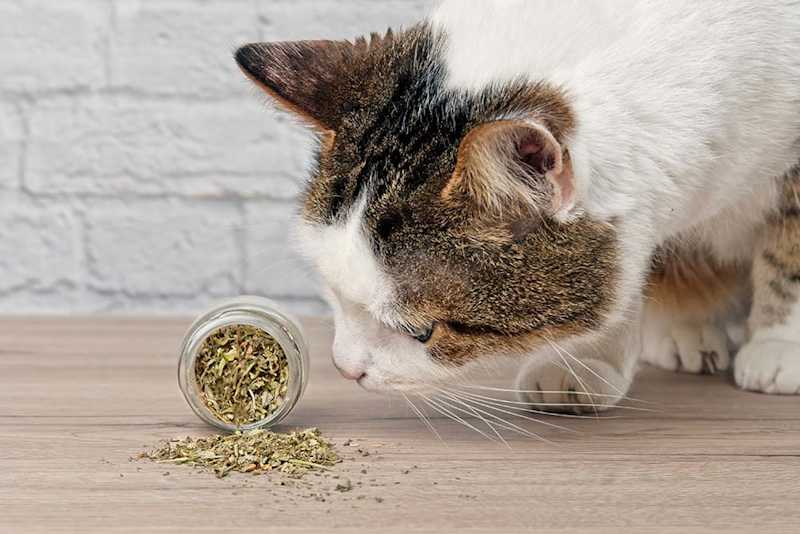
Credit: www.smalldoorvet.com
Different Ways To Give Catnip
You can offer catnip in several safe and fun ways. Here are the most common:
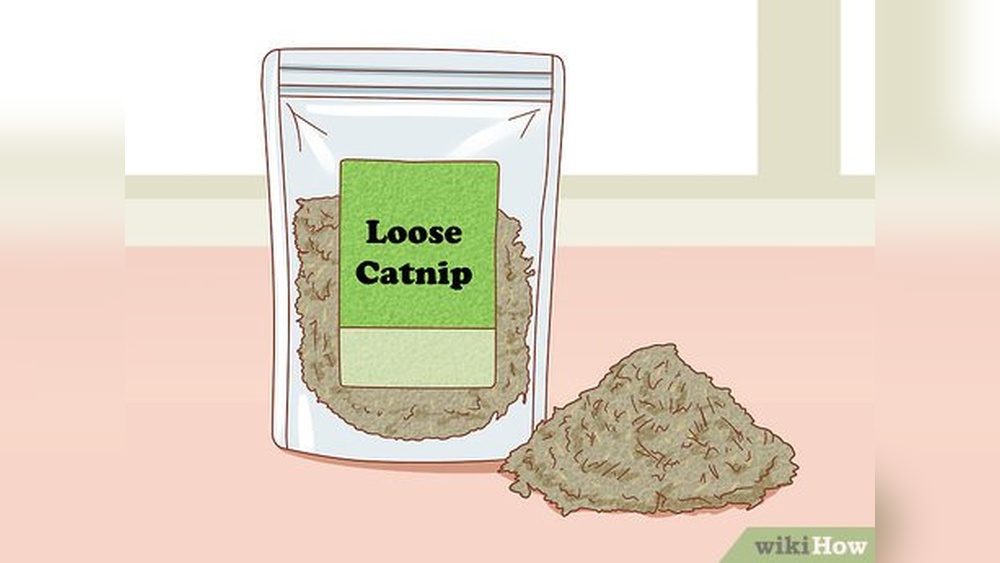
1. Loose Dried Catnip
Sprinkle a small amount (about 1 teaspoon) on the floor, cat bed, or scratching post. Your cat will sniff, roll, and possibly eat it. Make sure to use only a little, and clean up after playtime.
2. Catnip Toys
Buy toys stuffed with dried catnip. These are easy to use and less messy. Replace the toys when they lose their scent, usually after a few months.
3. Catnip Spray
Spray catnip liquid on toys, beds, or scratching posts. This is good for cats that dislike loose catnip. A few sprays are enough.
4. Fresh Catnip
Grow catnip plants at home. Offer a fresh leaf to your cat, or place a stem in their play area. Fresh catnip is stronger than dried.
5. Catnip Treats
Some pet shops sell treats with catnip inside. These are good for training and rewarding your cat. Always check the ingredient list for quality.
How Often Should You Give Catnip?
Most experts recommend giving catnip only once or twice a week. If you give it daily, your cat may lose interest or stop reacting. Cats need a break between sessions for the effect to stay strong.
| Frequency | Effect on Cat |
|---|---|
| Daily | Reduced reaction, possible boredom |
| 1-2 times per week | Strong response, playful behavior |
| Rarely | Strongest reaction, but may forget |

Credit: www.wikihow.com
Safety Tips For Giving Catnip
Catnip is safe for most cats, but you should follow these steps for the best experience:
- Start with a small amount.
- Watch your cat for any unusual behavior.
- Do not force your cat to use catnip.
- Keep catnip away from kittens under 3 months.
- Store catnip in a sealed bag or container for freshness.
Some cats may get aggressive after catnip. If this happens, stop using it and try again later.
| Catnip Form | Safe for All Ages? | Messy? |
|---|---|---|
| Dried leaves | No (not for kittens) | Yes |
| Catnip toys | Yes | No |
| Spray | Yes | No |
| Fresh catnip | No (not for kittens) | Yes |
Common Mistakes To Avoid
Many new cat owners make simple mistakes with catnip. Here are some to watch for:
- Giving too much catnip. This can make your cat sick or uninterested.
- Using old catnip. It loses its smell and effect after a few months.
- Expecting all cats to react. Some cats simply do not respond.
- Forgetting to clean up after play. Catnip can leave a mess on floors and furniture.
- Using catnip to calm a stressed cat. It can make anxious cats more excited.
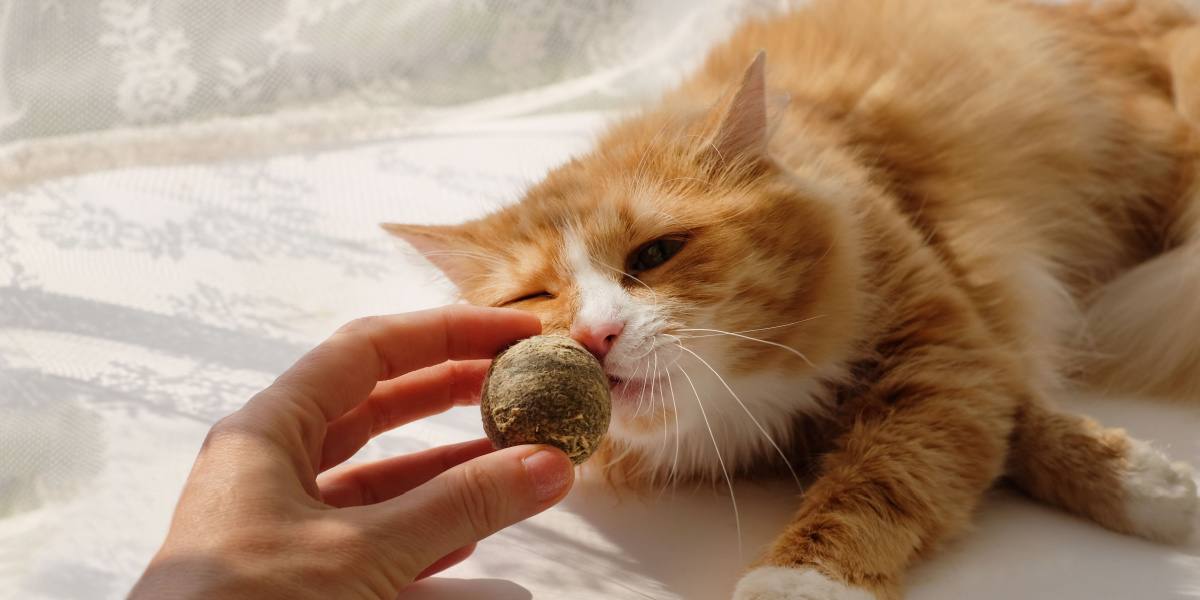
Credit: cats.com
Practical Tips For A Great Catnip Experience
If you want your cat to enjoy catnip, follow these tips:
- Offer catnip in a quiet room.
- Use catnip to encourage your cat to use a scratching post or bed.
- Replace catnip toys regularly.
- If your cat is not interested, try fresh catnip or spray.
- Clean up loose catnip after play to avoid attracting bugs.
Many owners do not know that cats can build a tolerance to catnip. If your cat stops reacting, wait a few weeks before giving it again. Also, some cats prefer playing with catnip toys rather than eating or sniffing loose leaves.
For more detailed scientific information on catnip, you can visit Wikipedia.
Frequently Asked Questions
What Age Can Kittens Have Catnip?
Kittens usually do not react to catnip until they are about three months old. Giving catnip earlier is safe, but most kittens will ignore it.
Can Catnip Make My Cat Sick?
Catnip is safe in small amounts. Too much can cause mild stomach upset or vomiting, but this is rare. Always start with a small dose.
Why Doesn’t My Cat React To Catnip?
About 30% to 40% of cats do not respond to catnip. This is because the reaction is genetic. If your cat does not react, try other toys or treats.
How Long Does The Catnip Effect Last?
The playful or excited behavior lasts 10 to 15 minutes. After that, most cats ignore catnip for at least an hour.
Can I Grow Catnip At Home?
Yes, you can grow catnip plants in pots or gardens. Fresh catnip is often stronger than dried, and many cats love it.
Giving catnip to your cat is a simple way to add fun to their routine. Remember to use the right amount, choose a safe form, and watch your cat’s reaction. With these tips, you can make playtime exciting and safe for your furry friend.