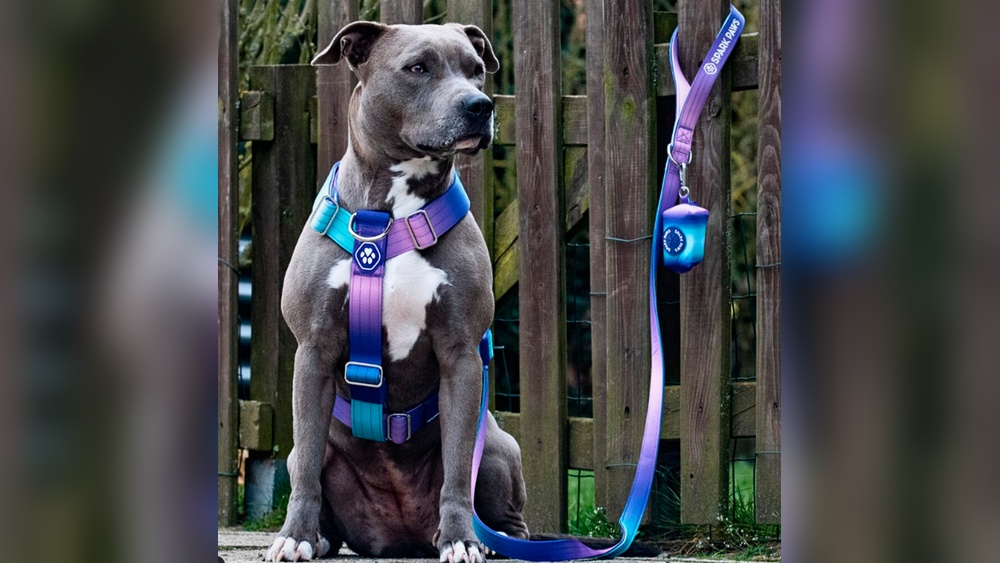
Many dog owners face the challenge of walking a dog who pulls on the leash. This common problem can make daily walks stressful and even risky, both for you and your pet. The right harness can transform your experience, making walks safer, more comfortable, and enjoyable for everyone. But with so many options, how do you find the best harness for dogs who pull? Let’s explore the most effective harness types, what features matter, and which products stand out today.
Why Some Dogs Pull And Why It Matters
Dogs pull for different reasons. Some are excited, curious, or want to lead. Others may feel anxious or overstimulated. When dogs pull, they can choke themselves with a standard collar, and owners may get arm or shoulder pain. Over time, pulling can also harm a dog’s neck or trachea.
A no-pull harness is designed to reduce pulling by distributing pressure or redirecting your dog’s movement. This simple change can protect your dog’s health and help you stay in control.
Types Of Harnesses For Pulling Dogs
Choosing the right harness is not just about size or color. Understanding the main types will help you pick one that matches your dog’s behavior.
| Harness Type | Main Feature | Best For |
|---|---|---|
| Front-Clip Harness | Leash attaches at chest | Strong pullers, training |
| Back-Clip Harness | Leash attaches at back | Calm walkers, small dogs |
| Dual-Clip Harness | Leash can attach front or back | Training flexibility |
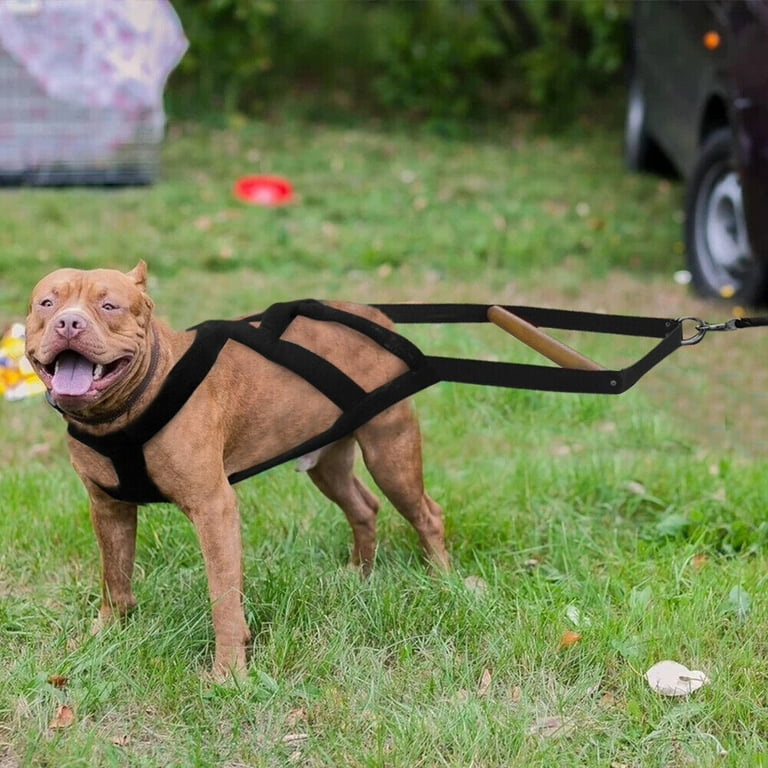
| Tightening/Martingale Harness | Applies gentle pressure | Stubborn pullers |
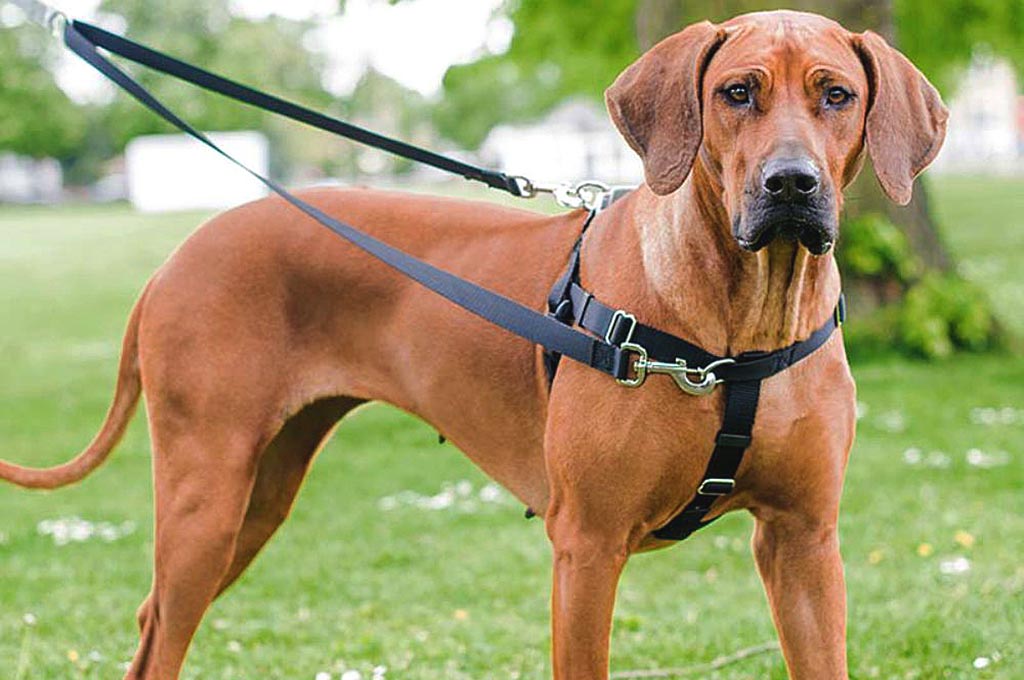
Front-clip harnesses are usually best for dogs who pull because they turn your dog toward you when they lunge forward. Back-clip harnesses are less effective for pullers since they can make pulling feel easier.
Credit: tigardlife.com
Key Features To Look For
The best harness for pulling dogs should have more than just the right clip placement. Here’s what you should check:
- Adjustability: Look for multiple adjustment points. A good fit prevents escape and discomfort.
- Padding: Soft chest and strap padding reduces rubbing and skin irritation.
- Strength: Sturdy materials and strong buckles are essential for large or strong dogs.
- Easy to Put On: Step-in or overhead designs help, especially with energetic pets.
- Reflective Material: For walks in low light, reflective strips increase safety.
- Training Handle: Some harnesses have a back handle for extra control.
Many beginners miss that harness sizing is not universal across brands. Always check the brand’s sizing chart and measure your dog’s chest and neck before buying.
Top 5 Best Harnesses For Dogs Who Pull
There are hundreds of options, but these five harnesses stand out for their design, comfort, and effectiveness.
1. Ruffwear Front Range Harness
This popular harness is known for its durability and fit.
- Type: Dual-clip
- Padding: Foam-padded chest and belly
- Sizes: XXS–XL
- Unique point: Four adjustment points for a custom fit
Most users find their dogs pull less after switching to Ruffwear. It also lasts years, even with daily use.
2. Petsafe Easy Walk Harness
A classic favorite for training strong pullers.
- Type: Front-clip
- Padding: Minimal, but soft nylon
- Sizes: Petite–XL
- Unique point: Quick-snap buckles for easy on/off
It’s simple and effective for redirecting strong dogs without choking.
3. 2 Hounds Design Freedom No Pull Harness
Great for both training and all-day wear.
- Type: Dual-clip, with gentle tightening
- Padding: Velvet-lined straps
- Sizes: XS–XXL
- Unique point: Comes with a double-ended leash for more control
This harness is popular with trainers because it works for both mild and strong pullers.
4. Julius-k9 Idc Powerharness
Popular in Europe for professional and family use.
- Type: Back-clip
- Padding: Heavy-duty chest and back
- Sizes: Mini–4XL
- Unique point: Strong handle and customizable patches
While it’s a back-clip harness, the wide chest plate gives more control than most.
5. Kurgo Tru-fit Smart Harness
Known for safety and versatility.
- Type: Dual-clip
- Padding: Broad, padded chest plate
- Sizes: XS–XL
- Unique point: Crash-tested for car safety
It’s a smart choice for active families who travel with their dogs.
How These Harnesses Compare
Here’s a quick side-by-side look at the top picks:
| Harness | Front Clip | Back Clip | Padded | Training Handle | Sizes |
|---|---|---|---|---|---|
| Ruffwear Front Range | Yes | Yes | Yes | No | XXS–XL |
| PetSafe Easy Walk | Yes | No | No | No | Petite–XL |
| Freedom No Pull | Yes | Yes | Yes | No | XS–XXL |
| Julius-K9 IDC | No | Yes | Yes | Yes | Mini–4XL |
| Kurgo Tru-Fit | Yes | Yes | Yes | No | XS–XL |
Mistakes To Avoid When Choosing A Harness
Many owners buy the wrong size or type. Here are common mistakes:
- Picking a back-clip for a strong puller. This makes pulling easier.
- Not measuring your dog. Guessing size often leads to escape or discomfort.
- Ignoring padding. Thin straps can chafe, especially on short-haired breeds.
- Forgetting about your dog’s habits. For example, escape artists need a snug, multi-strap design.
Another overlooked point is that harnesses need regular checks. Dogs grow or lose weight, and straps can loosen with time.
:strip_icc()/sps-dog-harnesses-test-ruffwear-front-range-amazon-front-attachment-good-hiking-hang-pham-02-c28708e42f09460bac97ae9285d6c504.jpg)
Credit: www.thesprucepets.com
Training Tips For Success
A harness alone won’t stop all pulling. Combine the right harness with basic leash training:
- Reward your dog for walking beside you.
- Change direction when your dog pulls.
- Keep walks short at first to build good habits.
- Stay patient. Pulling takes time to fix.
If you need extra help, look for resources like positive-reinforcement trainers or guides from the Humane Society.
Frequently Asked Questions
What Size Harness Should I Get For My Dog?
Always measure your dog’s chest and neck using a soft tape. Compare these numbers to the brand’s sizing chart before buying. Never guess based on weight alone.
Can A Harness Hurt My Dog?
A well-fitted harness should not hurt. If you see rubbing, hair loss, or your dog seems uncomfortable, adjust the fit or try a harness with more padding.
Will A Harness Stop Pulling Completely?
A harness helps control pulling, but it does not train your dog. Pair the harness with positive leash training for best results.
How Often Should I Replace A Harness?
Replace the harness if you see worn straps, broken buckles, or if your dog has outgrown it. Check every few months for signs of wear.
Are Harnesses Better Than Collars For Strong Dogs?
Yes, harnesses are safer for strong pullers. They prevent neck injuries and give you better control, especially with front-clip or dual-clip designs.
Finding the best harness for dogs who pull can truly transform your daily walks. With the right harness and a little training, you and your dog will enjoy more relaxed, fun, and safe adventures together. Remember, a harness is an investment in your dog’s comfort and your peace of mind.
Credit: everestkitchennc.com