
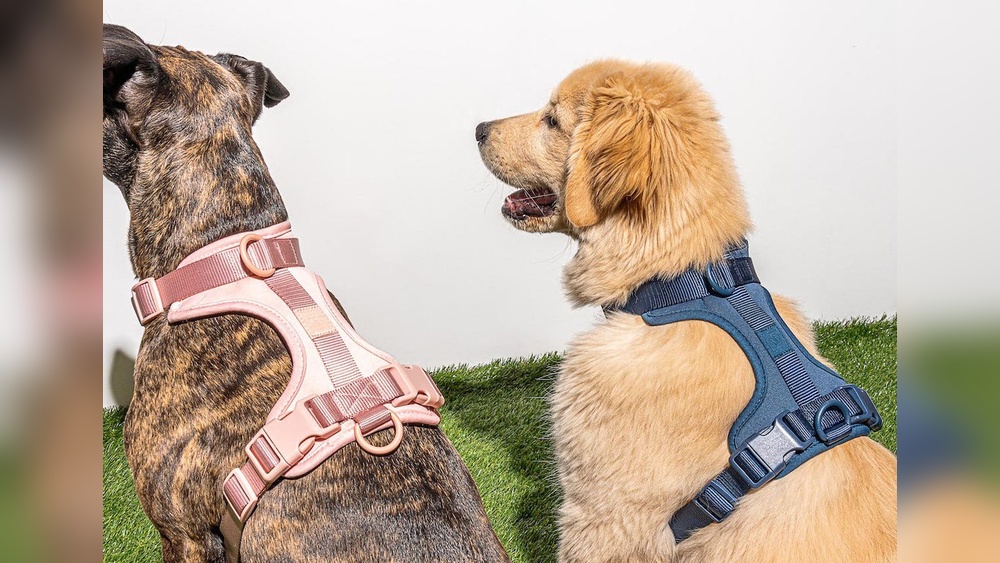
How do you put a harness on a dog? While it can seem simple, the right approach makes it stress-free for both you and your pet. Many owners struggle with wiggly dogs, confusing straps, or harnesses that don’t fit well. If the harness is not put on correctly, your dog might feel uncomfortable or even slip out.
This guide will help you understand how to fit a harness safely, avoid common mistakes, and make the experience positive for your dog.
Why Use A Harness Instead Of A Collar?
A harness gives you better control, especially for dogs that pull. It spreads pressure across the chest and shoulders, not the neck. This is safer for small breeds, older dogs, and those with breathing issues. Collars can harm the windpipe, but a harness protects these sensitive areas.
Some studies show using a harness can reduce pulling and choking. For example, a 2020 survey found that 63% of dog owners felt their dogs were calmer and easier to walk with a harness. If your dog tends to escape, a well-fitted harness is usually more secure than a collar.
Types Of Dog Harnesses
Before you put one on, you must know which harness you have. Here are the most common types:
| Harness Type | How It Fits | Best For |
|---|---|---|
| Step-In | Dog steps into two loops; buckled on back | Small/medium dogs |
| Over-the-Head | Slides over head, straps around chest | Large breeds |
| Front-Clip | Leash attaches at chest | Pullers, training |
| Back-Clip | Leash attaches on back | Calm walkers |
The most popular harnesses are step-in and over-the-head styles. Make sure you know which one you have, as the putting-on steps are different.
Credit: www.kurgo.com
How To Put A Step-in Harness On Your Dog
Follow these simple steps to put on a step-in harness:
- Lay the harness flat on the floor. The D-ring for the leash should be on top.
- Stand your dog over the harness. Place each front paw into the loops.
- Pull up the sides of the harness and buckle it on your dog’s back.
- Adjust the straps so the harness fits snugly but not too tight. You should be able to fit two fingers between the harness and your dog.
- Attach the leash to the D-ring.
If your dog is nervous, offer treats during each step. Keep your voice calm and positive.
How To Put An Over-the-head Harness On Your Dog
This style is common for larger breeds. Here’s what to do:
- Hold the harness with the D-ring facing up.
- Slip the harness over your dog’s head. Make sure the larger loop goes over the head, and the smaller loop will go behind the legs.
- Lift your dog’s front leg and guide it through the correct loop.
- Bring the strap behind your dog’s legs and fasten the buckle.
- Check the fit by sliding two fingers under the straps. The harness should be snug but not squeeze.
- Clip on the leash and you’re ready for a walk.
Many dogs are nervous about things going over their head. Move slowly and reward calm behavior.

Credit: www.youtube.com
How To Fit A Harness Correctly
A harness must fit well. If it’s too loose, your dog can escape. If too tight, it can cause pain or skin problems.
Look at this comparison of loose vs. proper harness fit:
| Fit Type | Signs | Risks |
|---|---|---|
| Too Loose | Harness moves, dog slips out | Escape risk, poor control |
| Proper Fit | Snug, two fingers fit under straps | Safe, comfortable, secure |
| Too Tight | Indentations, fur loss, dog resists | Injury, pain, skin irritation |
Always check the fit after putting on the harness, especially with puppies who grow quickly.
Getting Your Dog Used To A Harness
Some dogs resist harnesses at first. Here’s how to make the process easier:
- Let your dog sniff the harness before putting it on.
- Reward with treats for calm behavior.
- Start slowly—put the harness on for short times in the house.
- Increase the time as your dog gets used to it.
- Never force the harness if your dog is scared. Go back a step and try again later.
Consistency is key. Positive experiences help your dog feel safe.

Credit: www.youtube.com
Common Mistakes To Avoid
Many owners make errors that can lead to problems. Here are mistakes and how to avoid them:
- Wrong size harness: Always measure your dog’s chest and neck before buying.
- Straps twisted: Twisted straps can pinch or hurt. Lay the harness flat and check before putting it on.
- Forcing the harness: Don’t rush. Forcing can make your dog afraid of the harness.
- Skipping fit checks: Check fit every time, especially if your dog is growing or losing weight.
- Attaching the leash to the wrong ring: Some harnesses have more than one D-ring. Use the right one for your dog’s walking style.
Tips For A Smooth Experience
Here are extra tips that can make harness time easier:
- Practice with treats to build a positive link.
- Keep harness near the door to make walks faster.
- Check for signs of discomfort like scratching or biting at the harness.
- Wash the harness regularly to prevent skin irritation.
- Replace harnesses if they show signs of wear or damage.
Many beginners forget to check for rubbing under the legs. Also, some dogs need a few days to get comfortable, so patience is important.
When To Seek Help
If your dog freezes, panics, or refuses to move with the harness, ask your vet or a professional trainer for advice. Some dogs have had bad experiences with harnesses, or the fit may not be right for their body shape.
Always put your dog’s comfort first.
You can find more about harness training from trusted sources like ASPCA.
Frequently Asked Questions
How Tight Should A Dog Harness Be?
A harness should be snug but not tight. You must be able to fit two fingers between the strap and your dog’s body. If it’s tighter, it can hurt your dog. If it’s looser, your dog can escape.
Can My Dog Wear A Harness All Day?
Dogs should not wear a harness all day. Take it off at home to let your dog’s skin breathe and to avoid irritation. Only use the harness for walks or when you need control.
What If My Dog Hates The Harness?
Start slow. Let your dog sniff the harness and give treats for calm behavior. Put it on for short times, then remove. Build positive feelings. If your dog still hates it, talk to a trainer or vet.
How Do I Choose The Right Harness Size?
Measure your dog’s chest and neck with a tape measure. Check the manufacturer’s size chart. If your dog is between sizes, choose the larger one. Each brand can fit differently.
Are Harnesses Safe For Puppies?
Yes, harnesses are safe for puppies if you use the right size and check the fit often. Puppies grow fast, so you may need to adjust or buy a larger harness as they grow.
Putting a harness on your dog takes practice, but soon it will become routine. The right harness and method make walks safer, more comfortable, and enjoyable for both you and your pet. With patience and positive steps, your dog will look forward to harness time every day.