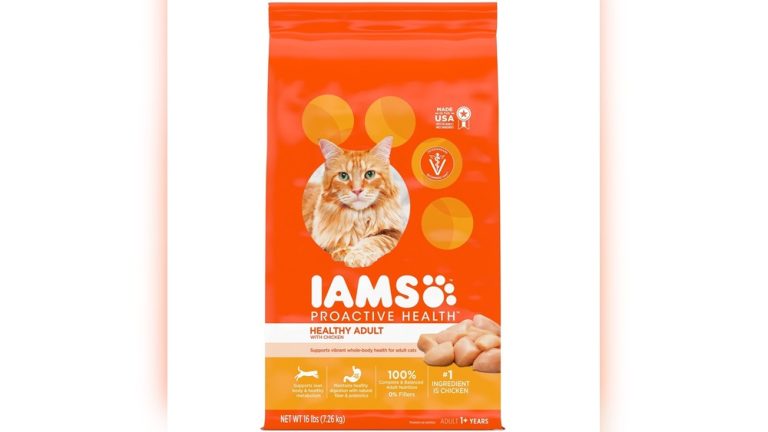

Figuring out exactly how much dry food to feed your cat is not always simple. Many cat owners wonder if they are giving their furry friend too much or too little. The right portion keeps your cat healthy, energetic, and at a perfect weight. But with so many brands, vague package instructions, and unique feline needs, deciding how much dry food to feed a cat can easily leave you feeling confused. Let’s look at what really matters when measuring out their daily meals.
Why The Right Amount Matters
Giving your cat too much dry food can lead to obesity and health problems like diabetes. Too little food means your cat may become underweight or lack energy. Cats are good at hiding illness, so keeping their weight steady is one way to watch their health. Also, unlike dogs, cats rarely self-regulate their food intake, especially with tasty dry food.
Factors That Affect How Much To Feed
There isn’t a one-size-fits-all answer. The best amount depends on several things:
- Age: Kittens, adults, and seniors need different calories.
- Weight: Overweight cats need less; underweight cats need more.
- Activity level: Active cats burn more calories.
- Health status: Illness, pregnancy, or nursing change needs.
- Type of food: Calorie content per cup varies by brand.
- Indoor vs. outdoor: Outdoor cats may burn more energy.
Even the best food label is just a starting point. For example, one brand may have 350 calories per cup, while another may have 500.

Credit: www.informededucation.com
How To Calculate The Right Amount
Most adult cats weigh around 8 to 10 pounds (3.6 to 4.5 kg). A typical indoor cat needs about 20 calories per pound of body weight each day. Let’s break this down with an example.
- A 10-pound cat needs about 200 calories per day.
If your dry food brand has 400 calories per cup:
- 200 calories ÷ 400 calories = 0.5 cups per day
So, you’d feed half a cup split into two meals.
Example Calorie Guide By Cat Weight
| Cat Weight | Calories Needed | Dry Food (400 cal/cup) |
|---|---|---|
| 6 lbs (2.7 kg) | 120 cal | 0.3 cups |
| 8 lbs (3.6 kg) | 160 cal | 0.4 cups |
| 10 lbs (4.5 kg) | 200 cal | 0.5 cups |
| 12 lbs (5.4 kg) | 240 cal | 0.6 cups |
Remember, check your food label for the actual calories per cup.
Kitten, Adult, And Senior Needs
Kittens grow fast and need more calories and protein than adults. Seniors may need less food, especially if they are less active.
| Life Stage | Calories Needed | Notes |
|---|---|---|
| Kitten | 50-60 cal/lb | Feed 3-4 times daily |
| Adult | 20 cal/lb | Split into 2 meals |
| Senior | 15-20 cal/lb | May need less food |
Kittens also need smaller, frequent meals for steady energy.
Common Mistakes When Feeding Dry Food
Many owners make simple mistakes:
- Free feeding: Leaving food out all day leads to overeating.
- Ignoring food labels: Each food has a different calorie count.
- Not measuring: Guessing by eye is often inaccurate.
- Using cups from different sources: Kitchen cups and pet food cups can be different sizes.
Instead, use a real measuring cup and adjust portions based on your cat’s weight and energy.
Adjusting Portions For Weight Control
If your cat is gaining weight, reduce the daily amount by 10% and watch for changes over 2–4 weeks. If they lose weight too fast or seem hungry, add back a small amount. For cats that need to gain weight, increase portions slowly.
Tracking Weight And Body Condition
A simple way to check your cat’s body condition is to feel their ribs. You should feel them easily but not see them. If you see the ribs, your cat may be underweight. If you can’t feel them, your cat may be overweight.
:strip_icc()/how-much-canned-food-to-feed-554404-Final-4e9268619c4847eaac29498a6a17d88c.png)
Credit: alabamacemeterypreservation.com
Mixing Dry And Wet Food
Some owners give both dry and wet food. If so, reduce the dry food to balance the calories. For example, if your cat needs 200 calories and eats 100 calories from wet food, give only enough dry food to reach the total daily calories.
Reading And Using Food Labels
Food packaging gives you a feeding guide, but often the amounts are higher than needed. Brands want you to use more food, so always use the label as a starting point, not the final answer.
Special Cases: Pregnancy, Illness, And Breeds
Pregnant or nursing cats need up to double the calories of an adult. Some breeds like the Maine Coon are larger and need more food. Sick cats, especially those with diabetes or kidney disease, need special feeding plans from a vet.
Sample Daily Feeding Routine
A regular routine helps your cat feel secure.
- Measure the day’s dry food in the morning.
- Split into two or three meals.
- Remove any uneaten food after 30 minutes.
- Monitor weight every few weeks.

Credit: closerpets.co.uk
When To See A Vet
If your cat loses or gains weight quickly, vomits often, or stops eating, call your vet. Underlying problems can change a cat’s need for food.
Practical Tips For Feeding Dry Food
- Store dry food in an airtight container to keep it fresh.
- Clean the food bowl daily.
- Use a food puzzle or slow feeder for active cats.
- Weigh your cat monthly to spot changes early.
Frequently Asked Questions
How Much Dry Food Should I Feed My Indoor Cat?
For most indoor cats (8–10 lbs), feed about 0.5 cups per day if the food is 400 calories per cup. Adjust if your cat is more or less active. Always check the food label and your cat’s weight.
Is It Okay To Leave Dry Food Out All Day?
It’s best not to free-feed. Measured meals help control weight and detect health problems early. Only leave food out if your cat is a grazer, and you carefully measure the daily amount.
What If My Cat Seems Hungry After Eating?
Some cats beg for food out of habit, not hunger. Try using a slow feeder, spreading meals, or offering more playtime. If your cat loses weight, talk to your vet.
Can I Mix Dry And Wet Food?
Yes, but you must reduce dry food to keep the total calories right. For example, if your cat’s daily need is 200 calories, and you feed 100 calories of wet food, give only 100 calories worth of dry.
Where Can I Find More Information About Cat Nutrition?
You can read more at the ASPCA Cat Nutrition Tips for trusted advice.
Giving your cat the right amount of dry food supports a long, healthy life. Measure, adjust, and observe, and your cat will thank you with health and happiness.