Are you unsure about how much dry food your cat should eat each day? Feeding your furry friend the right amount is more important than you might think.
Too little, and your cat may miss out on vital nutrients. Too much, and weight gain could lead to health problems. You’ll discover clear, simple guidelines to help you find the perfect feeding balance for your cat. Keep reading to ensure your pet stays happy, healthy, and full of energy every day.

Credit: opcionesadministrativas.com
Daily Dry Food Needs
Feeding your cat the right amount of dry food each day is important for its health. Cats need enough food to stay active and maintain a healthy weight. Too much or too little dry food can cause problems. Understanding how much to feed helps keep your cat happy and healthy.
The amount of dry food depends on several key factors. These include the cat’s age, weight, and how active it is daily. Each cat is unique. Adjusting the food amount to fit your cat’s needs is the best way to care for it.
Factors Affecting Food Amount
The right food amount varies by cat. Different breeds and sizes need different portions. Some cats burn more energy and need more food. Others are less active and need less to avoid weight gain. Health conditions also affect how much food your cat should eat. Watch your cat’s behavior and weight to find the best amount.
Age And Weight Considerations
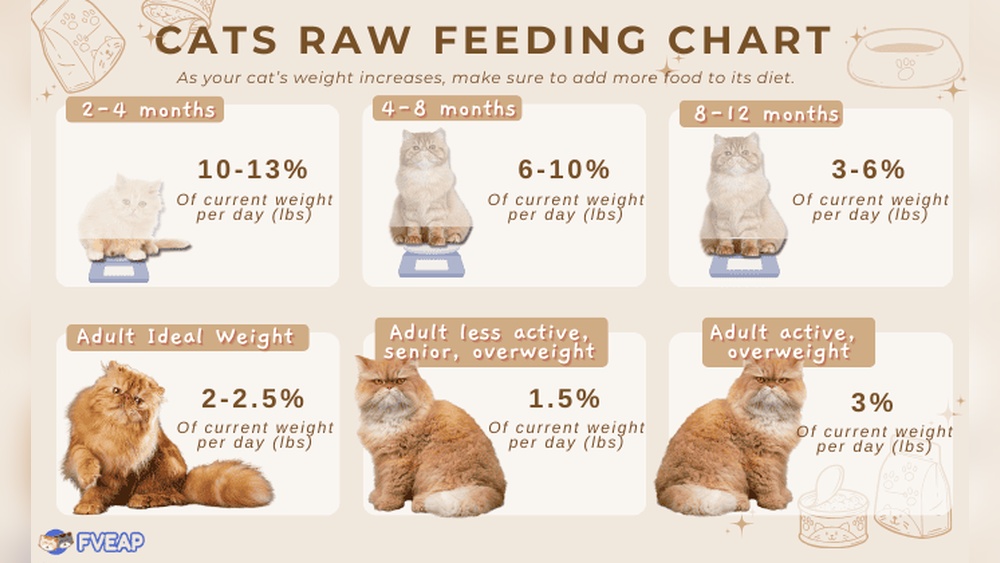
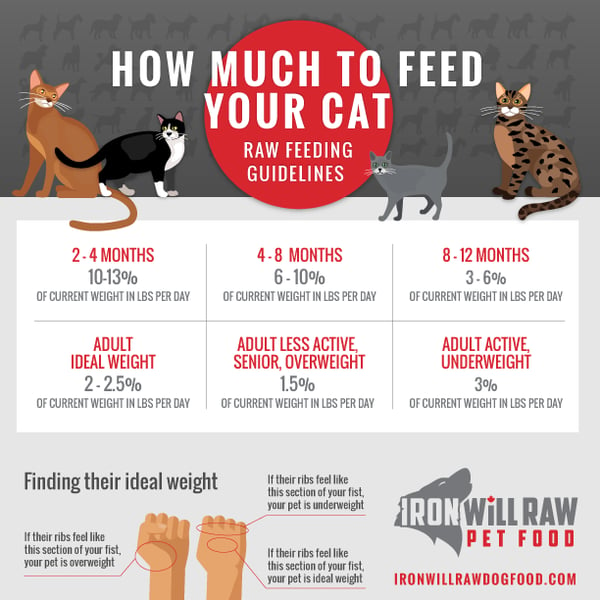
Kittens need more food to grow strong. They usually eat small meals several times a day. Adult cats need fewer calories but still need balanced nutrition. Older cats may eat less because they move less. Weight also matters. Overweight cats need less food. Underweight cats need more to gain strength. Measure your cat’s weight regularly to adjust food portions.
Activity Level Impact
Active cats burn more calories and need more food. Playful cats or outdoor cats need extra energy. Indoor cats who rest more need less food. Watch your cat’s daily activity to decide the amount. Providing the right food helps keep your cat fit and healthy.
Measuring Cat Food
Measuring cat food is important for your cat’s health. Feeding the right amount helps keep your cat fit and happy. Overfeeding can cause weight gain and health problems. Underfeeding may lead to malnutrition. Use simple tools and clear labels to measure food accurately.
Using Food Scales
Food scales give the most accurate measurement. Place the empty bowl on the scale first. Set the scale to zero. Add dry food until you reach the desired weight. This method avoids guessing and keeps portions consistent.
Portion Control Tips
Use small cups or spoons for daily servings. Split the total daily amount into two or more meals. This prevents overeating and helps digestion. Avoid free feeding by leaving food out all day. Stick to a feeding schedule for better control.
Reading Food Labels
Food labels show feeding guidelines by weight or age. Check calories per cup to match your cat’s needs. Use the label as a starting point, not a rule. Adjust portions based on your cat’s activity and health. Labels help you plan meals wisely.
Feeding Schedules
Feeding schedules play a key role in your cat’s health and happiness. Cats thrive on routine. A good feeding plan helps control portions and prevents overeating. It also supports their natural hunger cycles. Understanding the best feeding schedule can help you decide how much dry food your cat should eat daily.
Free Feeding Vs Scheduled Meals
Free feeding means leaving dry food out all day. Your cat can eat whenever it feels hungry. This method suits cats that self-regulate well. But it can lead to overeating and weight gain. Scheduled meals give food at set times. This helps control portion sizes. It also helps you notice changes in your cat’s appetite or health. Scheduled meals often work better for weight management and routine.
Recommended Feeding Times
Most cats do well with two to three meals daily. Feeding in the morning and evening fits their natural hunting habits. Offer measured portions at these times. Smaller, frequent meals can suit some cats better. Spread meals evenly throughout the day. Avoid feeding right before bedtime to prevent indigestion.
Adjusting Feeding Frequency
Adjust meal frequency based on your cat’s age, health, and activity. Kittens need more frequent, smaller meals. Adult cats often do well with two meals daily. Older cats might need more frequent but smaller portions. Watch your cat’s weight and energy to guide changes. Consult your vet for personalized advice.
Health And Nutrition
Health and nutrition are key to keeping your cat happy and active. Proper feeding helps your cat maintain a healthy weight and get essential nutrients. Dry food is convenient and offers some benefits, but it should fit well into your cat’s overall diet.
Understanding how much dry food your cat needs daily is important. Cats have different needs based on age, weight, and activity level. Feeding the right amount supports their energy and prevents health problems.
Balancing Dry Food With Wet Food
Wet food adds moisture to your cat’s diet. Cats often do not drink enough water. Wet food helps keep them hydrated. Mixing dry and wet food gives a good mix of nutrients. Balance the amount so your cat does not eat too much. This balance supports healthy digestion and weight control.
Avoiding Overfeeding Risks
Overfeeding dry food can cause weight gain. Extra weight leads to diabetes and joint problems. Measure your cat’s food carefully. Follow feeding guidelines on the package. Too many calories harm your cat’s health. Regularly check your cat’s weight and adjust food amounts.
Signs Of Underfeeding
Underfeeding can cause your cat to lose weight and energy. Watch for signs like dull fur, weakness, or increased hunger. Your cat may seem less active or show changes in behavior. If you notice these signs, review their diet and consult a vet. Proper feeding keeps your cat strong and healthy.
Special Feeding Needs
Cats need different amounts of dry food based on their age and health. Their bodies change over time. This affects how much food they need every day. Some cats need special care with their diet. Understanding these special feeding needs helps keep your cat healthy and happy.
Kittens And Growth Stages
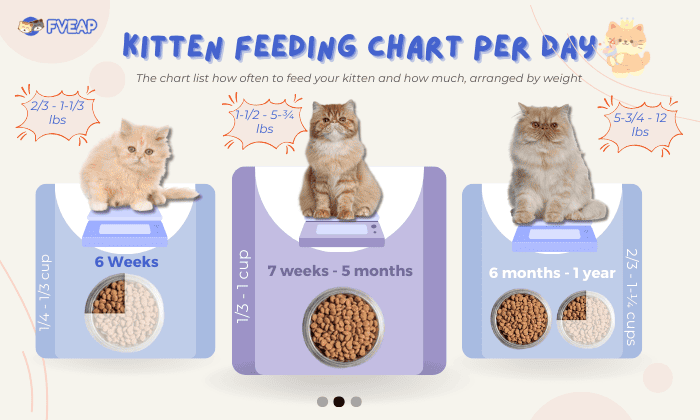
Kittens need more food than adult cats. They grow fast and use more energy. Feed them small meals often throughout the day. Use kitten-formulated dry food. It has extra nutrients for strong bones and muscles. As kittens grow, adjust the amount based on their weight and activity.
Senior Cats’ Dietary Changes
Older cats eat less but still need good nutrition. Their metabolism slows down. They may need fewer calories to avoid weight gain. Choose dry food made for senior cats. It supports joint health and digestion. Watch their eating habits and adjust portions carefully to maintain ideal weight.
Cats With Medical Conditions
Some cats have health problems that affect their diet. Kidney issues, diabetes, or allergies require special foods. Your vet can recommend the right dry food type and amount. Never change diet without advice. Proper feeding helps manage their condition and improves quality of life.
Credit: www.tandooriflame.com.sg
Tips For Transitioning Foods
Changing your cat’s dry food needs care and patience. Sudden switches can upset their stomach and cause stress. Follow these tips to make the transition smooth and safe. Watch your cat closely during this time. Their health and comfort matter most.
Introducing New Dry Food
Start by mixing a small amount of the new food with the old. Gradually increase the new food over 7 to 10 days. This slow change helps your cat adjust to the new taste and texture. Avoid giving only the new food at once. Keep fresh water available at all times.
Avoiding Digestive Issues
Watch for signs of tummy trouble like vomiting or diarrhea. If you see any, slow down the switch. Try mixing the foods longer. Provide small, frequent meals instead of one big meal. Keep the feeding area clean to prevent bacteria growth.
Monitoring Your Cat’s Response
Check your cat’s eating habits and energy levels daily. Note any changes in their behavior or litter box habits. Contact your vet if your cat refuses food or shows signs of illness. Keep a food diary to track progress and problems. Celebrate small successes to stay motivated.
Credit: www.informededucation.com
Frequently Asked Questions
How Much Dry Food Should A Cat Eat Daily?
A cat typically needs 1/4 to 1/3 cup of dry food per day. This depends on their age, weight, and activity level. Always follow feeding guidelines on the cat food package and adjust portions as needed to maintain a healthy weight.
Does A Cat’s Weight Affect Dry Food Quantity?
Yes, a cat’s weight strongly influences how much dry food they need. Overweight cats require fewer calories, so their portions should be smaller. Underweight cats may need slightly more food or higher-calorie options. Consult your vet for personalized feeding advice.
Should Kitten And Adult Cat Dry Food Portions Differ?
Yes, kittens need more calories and nutrients, so their dry food portions are larger relative to their size. Adult cats require fewer calories to maintain weight. Always choose age-appropriate food and adjust portions as your cat grows.
Can Free-feeding Dry Food Lead To Obesity?
Free-feeding dry food can cause overeating and obesity in cats. Controlled portion feeding helps maintain a healthy weight. Measure food daily and avoid leaving large amounts accessible all day to prevent excessive calorie intake.
Conclusion
Feeding your cat the right amount of dry food keeps them healthy and happy. Watch their weight and energy levels to adjust portions as needed. Always provide fresh water alongside dry food. Remember, every cat is unique, so portion sizes may vary.
Consult your vet for advice tailored to your cat’s needs. Small changes can make a big difference in your cat’s well-being. Keep an eye on your cat’s eating habits daily. Healthy feeding helps your cat live a long, joyful life.