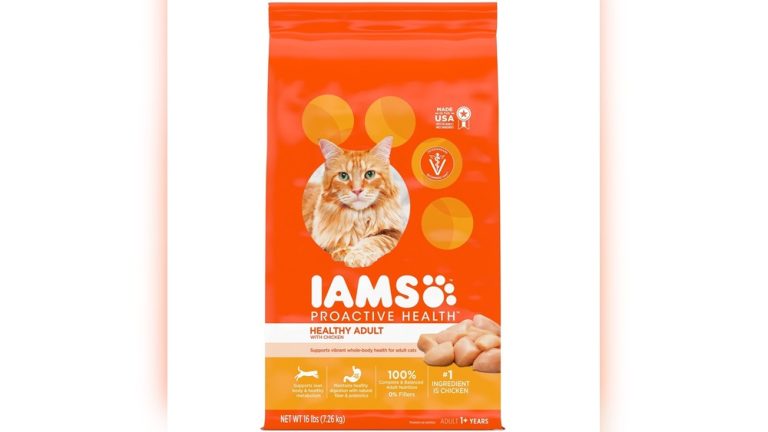

Feeding Wet Cat Food for stray cats is not just an act of kindness; it’s a lifeline. Many people see stray cats roaming their neighborhoods, hungry and searching for food. Wet cat food can be a great option for these animals, but there’s more to choosing and serving it than you might think.
If you want to help stray cats stay healthy, understanding the benefits, types, and proper methods for feeding wet food is essential.
Why Wet Cat Food Matters For Stray Cats
Wet cat food offers much-needed hydration. Stray cats often struggle to find clean water, especially in hot or dry areas. Wet food contains about 75-80% moisture, which helps prevent dehydration. This is a big advantage over dry food, which has only about 10% moisture.
Another benefit is digestibility. Many stray cats have dental problems or are missing teeth, making it hard to chew dry food. Wet food is softer and easier to eat, even for weak or injured cats. It also tends to be more palatable, so cats who are sick, older, or stressed are more likely to eat it.
Choosing The Right Wet Cat Food
Not all wet foods are equal, especially for strays who may have extra needs. Here’s what matters most:
- Protein content: Look for foods with at least 8-10% protein (check the guaranteed analysis on the label). Cats are obligate carnivores and need quality meat sources.
- Low carbohydrates: Many cheaper wet foods add fillers like corn or wheat. Stick to options with real meat as the first ingredient.
- Essential nutrients: Good brands add taurine, vitamins, and minerals. Taurine is crucial for heart and eye health.
- Easy to open and serve: Choose cans or pouches that are simple to carry and open outdoors.
Here’s a comparison of common wet food types:
| Type | Main Benefit | Common Issue |
|---|---|---|
| Pate | Easy for weak cats to eat | Can dry out quickly in open air |
| Chunks in gravy | Highly palatable, more moisture | Some cats struggle with larger pieces |
| Shreds/flakes | Natural texture, attractive aroma | Messier to serve outdoors |
How To Feed Wet Cat Food To Strays
Feeding strays requires careful thought. Here’s a simple process to follow:
- Pick a safe spot away from roads or predators.
- Serve food on clean, shallow dishes—old plates or disposable trays work well.
- Feed at the same time daily. Cats learn routines and will come to trust you.
- Remove uneaten food after 30–45 minutes to avoid attracting pests like ants or raccoons.
If you’re feeding a group, space out food bowls to prevent fights. Always wash dishes after use to reduce disease risk.
Portion Size Guidelines
Adult cats usually need about 150-200 grams of wet food per day. For kittens, offer smaller, more frequent meals.
Here’s a quick portion chart:
| Cat Age | Suggested Portion (per meal) | Meals per Day |
|---|---|---|
| Adult | 75-100g | 2 |
| Kitten (under 6 months) | 25-40g | 4 |
| Senior/Ill Cats | 50-75g | 2-3 |
Pros And Cons Of Wet Cat Food For Strays
Wet food has clear advantages, but also some drawbacks, especially outdoors.
Advantages
- Hydration boost: Reduces risk of urinary issues and dehydration.
- Easier digestion: Soft texture helps cats with dental problems.
- High palatability: Attracts even picky or sick cats.
Disadvantages
- Spoils quickly: Wet food can go bad in heat or rain within an hour.
- Attracts insects: Ants and flies are drawn to leftovers.
- Higher cost: Wet food is usually more expensive than dry.
A practical tip: in summer, feed early in the morning or late in the evening to avoid spoilage. In winter, wet food can freeze, so serve only what cats can eat right away.

Credit: insomnia-festival.com
Tips For Feeding Stray Cats Safely
- Rotate feeding spots if you notice unwanted animals or people.
- Use disposable plates if you can’t return to clean up.
- Do not leave large amounts of food overnight—this invites rodents.
- Monitor the cats for signs of illness (runny eyes, coughing, limping).
- Keep your distance. Some strays are feral and may fear humans.
Many new feeders miss that wet food can attract not just cats, but wild animals. Always remove uneaten food. Also, some strays cannot tolerate sudden diet changes. If possible, mix a little new food with the old for a few days.
Cost And Budgeting For Wet Cat Food
Feeding strays can become expensive. A typical 85g pouch costs around $0. 50–$1. 00. Feeding just five cats twice daily can cost $5–$10 per day. To save money, look for bulk deals or ask stores for damaged cans (often discounted but safe).
Here’s a cost comparison:
| Food Type | Average Cost (per 100g) | Suitability for Strays |
|---|---|---|
| Wet food (pouch) | $0.70 | High (easy to eat) |
| Wet food (can) | $0.60 | High (good for groups) |
| Dry food | $0.20 | Moderate (less hydration) |
If cost is a concern, supplement wet food with some dry kibble or look for local animal welfare groups for support.

Credit: www.reddit.com
Supporting Stray Cat Health
Offering wet cat food is a direct way to improve a stray cat’s quality of life. But food alone is not enough. Strays also need access to clean water, basic shelter, and—if possible—medical help. Consider working with local rescue groups or participating in trap-neuter-return (TNR) programs to help control the population and improve health.
For more about responsible stray cat care, visit the Humane Society’s guide.
Feeding strays regularly can save lives, but be prepared for commitment. Cats will return to the same spots and may rely on you, so try to stay consistent.
Frequently Asked Questions
Is Wet Cat Food Better Than Dry Food For Strays?
Wet cat food is often better for strays because it provides hydration and is easier to eat, especially for cats with dental problems or missing teeth.
How Long Can Wet Cat Food Stay Outside?
Wet food should be left out no longer than 30–45 minutes, especially in warm weather. After this time, it can spoil and attract pests.
Can I Mix Wet And Dry Food For Stray Cats?
Yes, mixing wet and dry food can balance cost and nutrition. It also gives strays both hydration and crunchy texture, which some prefer.
What If A Stray Cat Does Not Eat Wet Food?
Some strays are used to dry food or scraps. Try offering small amounts of wet food mixed with familiar food, and introduce it gradually.
Is It Okay To Feed Fish-based Wet Food To Strays?
Fish-based foods are fine in moderation, but not every day. Overfeeding fish can lead to nutrient imbalances. Variety is best for long-term health.
Feeding wet cat food to stray cats is a generous act that brings real benefits. With the right choices and care, you can make a positive difference in their lives.

Credit: unifi.com