
Hill’s Science Diet Dog Food For Puppies: Complete Guide
Choosing the right food for your puppy is a big decision. The first year of a dog’s life shapes their health for years ahead. Hill’s Science Diet Dog Food for Puppies is a popular choice for many pet owners and veterinarians. But what makes it special? How does it support puppy growth? And what do you need to know before feeding it to your young dog? Let’s explore everything you need to know about this dog food, from its ingredients to real-world results.
What Is Hill’s Science Diet Dog Food For Puppies?
Hill’s Science Diet is a brand known for its science-based recipes. Their puppy formulas focus on the unique needs of growing dogs. These foods are designed to give puppies the right balance of protein, fat, vitamins, and minerals.
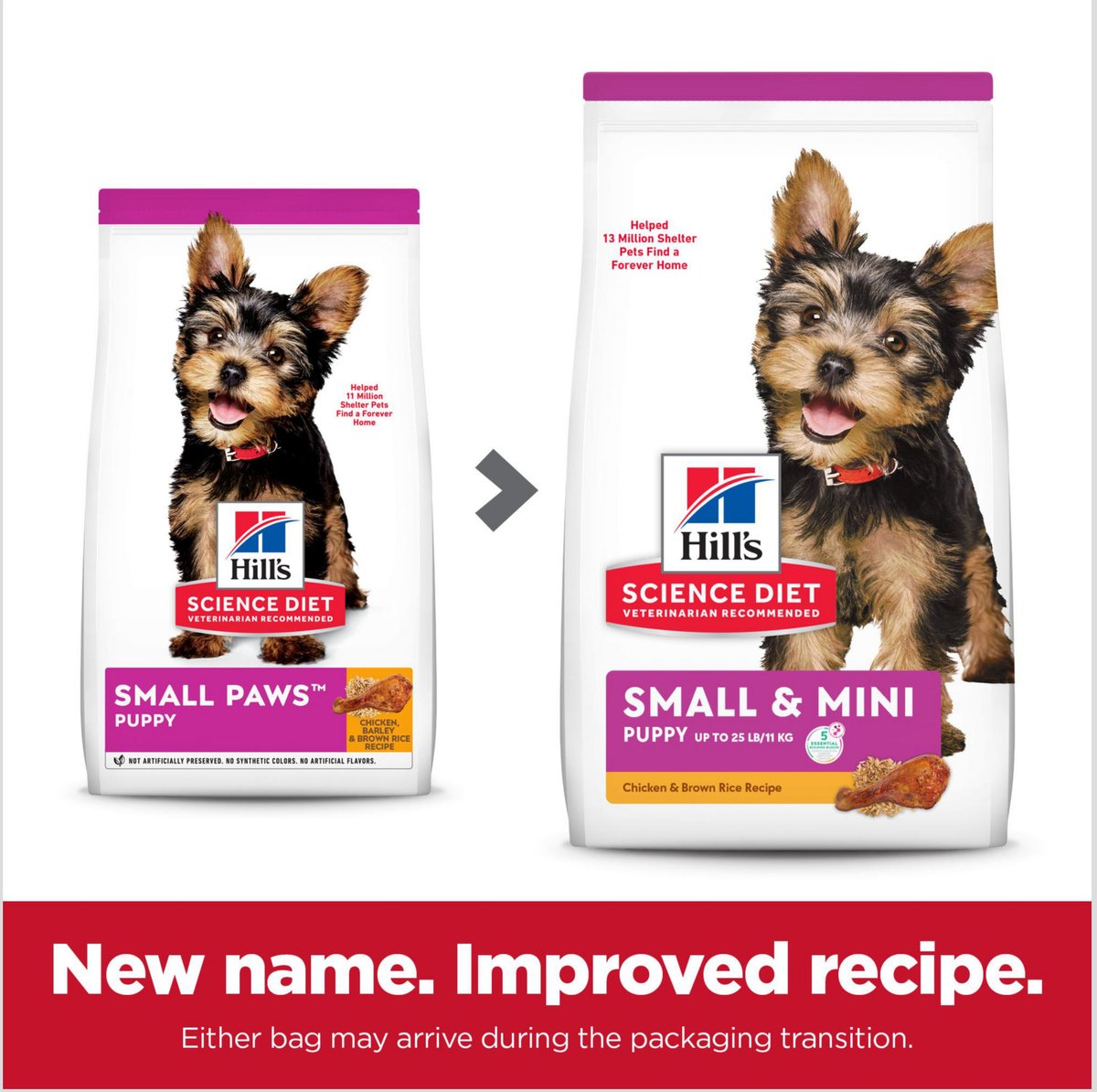
Most Hill’s Science Diet puppy products come in dry kibble and canned wet food. They also offer options for specific breeds and sizes, such as small breed puppy or large breed puppy formulas.
Key Features
- Made with high-quality protein from chicken or lamb
- Contains DHA from fish oil for brain and eye development
- Balanced minerals for strong bones and teeth
- Antioxidants and vitamins for immune support
- No artificial colors, flavors, or preservatives
Why Nutrition Matters For Puppies
Puppies grow fast—sometimes doubling their size in just weeks. Their bodies need more calories, protein, and specific nutrients than adult dogs. Poor nutrition at this stage can cause weak bones, slow growth, or health issues later.
Hill’s Science Diet targets these needs with careful ingredient selection and precise nutrient levels. For example, the puppy formulas provide more calcium and phosphorus than adult dog food. This supports bone growth but avoids the risk of giving too much, which can harm large breed puppies.
Credit: chuckanddons.com
Ingredient Breakdown: What’s Inside?
Quality ingredients make a big difference in dog food. Here’s a closer look at what goes into Hill’s Science Diet Puppy formulas:
| Ingredient | Purpose |
|---|---|
| Chicken Meal | Main protein source for muscle growth |
| Whole Grain Wheat | Provides energy and fiber |
| Cracked Pearled Barley | Supplies carbohydrates and nutrients |
| Fish Oil | Rich in DHA for brain and eye development |
| Vitamins C & E | Support immune system |
Hill’s avoids common fillers like corn gluten and soy. Instead, it uses grains and proteins that are easier to digest for puppies.
Product Options: Which Formula Is Right For Your Puppy?
Not all puppies have the same needs. Hill’s Science Diet offers several puppy products. Here is a simple comparison of the most popular formulas:
| Product | Best For | Key Benefit |
|---|---|---|
| Puppy Dry Food | All breeds, everyday feeding | Complete nutrition in kibble form |
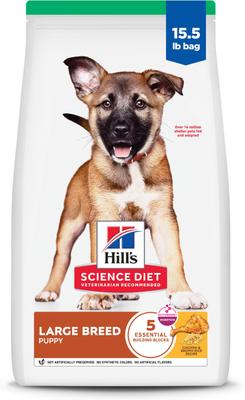
| Large Breed Puppy | Large and giant breeds | Controlled calcium for joint health |
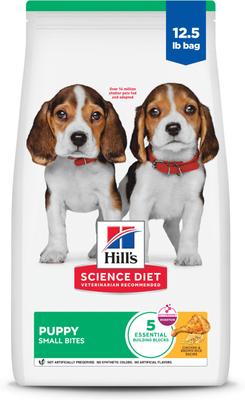
| Small Bites Puppy | Small breeds or picky eaters | Smaller kibble size for tiny mouths |
| Canned Puppy Food | Puppies needing softer food | Extra hydration and flavor |
Most puppies can start with the standard dry puppy food. However, large breeds (like Labradors or German Shepherds) should use the Large Breed Puppy formula to protect their growing joints.
Credit: www.chewy.com
Feeding Guidelines And Tips
How much should you feed your puppy? This depends on their age, breed, and activity level. Hill’s provides feeding charts on every bag, but here are some general tips:
- Under 4 months: Feed 3-4 times a day. Puppies burn calories fast.
- 4-12 months: 2-3 meals a day. Adjust as your puppy grows.
- Always provide fresh water with meals.
- Measure food with a cup, not by eye. This helps avoid overfeeding.
- Transition to adult food at 12 months for most breeds, or 18 months for large breeds.
A common mistake is switching food too quickly. Always mix new food with old food over 5-7 days to avoid stomach upset.
Real-world Results: What Owners And Vets Say
Many veterinarians recommend Hill’s Science Diet for puppies. It is often used in animal shelters and clinics. Pet owners report these benefits:
- Shiny coats and healthy skin
- Steady weight gain
- Fewer digestive problems
- More energy and playful behavior
One insight many beginners miss: The difference in your puppy’s health is often seen in small ways—better stool quality, fewer ear infections, and less scratching. These signs mean the food is gentle on your puppy’s system.
Comparing Hill’s Science Diet With Other Brands
How does Hill’s Science Diet stack up against other popular puppy foods? Here’s a quick look:
| Brand | Protein % | Main Protein | Price (per lb) |
|---|---|---|---|
| Hill’s Science Diet | 25% | Chicken | $2.50 |
| Purina Pro Plan | 28% | Chicken | $2.30 |
| Royal Canin Puppy | 28% | Chicken | $3.00 |
| Blue Buffalo Puppy | 26% | Chicken | $2.80 |
Hill’s may not have the highest protein, but it focuses on digestibility and proven research. Some other brands use more exotic ingredients, but that does not always mean better nutrition.
Non-obvious Insights For New Puppy Owners
- Digestibility is key. Puppies have sensitive stomachs. Foods that are too rich or contain hard-to-digest ingredients can cause diarrhea or poor growth. Hill’s is known for gentle formulas that are easy on young digestive systems.
- Breed size matters. Many owners do not realize that large breed puppies need different mineral levels to avoid joint issues. Feeding a generic puppy food to a large breed can lead to skeletal problems.
Also, pay attention to your puppy’s poop—it tells you if the food is working. Good food leads to firm, regular stools.
Where To Buy And What To Watch Out For
Hill’s Science Diet is sold at most pet stores, vet clinics, and online. Always check for the official packaging and buy from trusted sellers. Avoid buying damaged or expired bags, as nutrients may be lost.
A common mistake is thinking all puppy foods are the same. Read the label and look for the specific formula for your puppy’s breed and age.
For more on pet nutrition standards, see the Association of American Feed Control Officials guidelines.
Frequently Asked Questions
Is Hill’s Science Diet Safe For All Puppies?
Yes, Hill’s Science Diet puppy formulas are safe for most puppies. However, always consult your vet if your dog has special health needs or allergies.
How Long Should My Puppy Eat Hill’s Science Diet Puppy Food?
Most puppies can eat this food until they reach one year old. Large breeds may need puppy food up to 18 months.
Can I Mix Hill’s Science Diet Dry And Canned Food?
Yes, many owners mix dry and canned food for variety. Just make sure the total calories fit your puppy’s daily needs.
Does Hill’s Science Diet Contain Grain?
Yes, most Hill’s Science Diet puppy foods contain grains like wheat and barley. These provide energy and are easy to digest for most puppies.
What If My Puppy Does Not Like The Taste?
If your puppy refuses to eat, try a different formula (like small bites or canned food). Gradually mix new food with the old to help your puppy adjust.
Choosing the right puppy food is a big step in raising a healthy, happy dog. With the right nutrition, your puppy has the best start in life. Hill’s Science Diet offers a balanced, research-backed option trusted by many pet owners and vets around the world.
Credit: www.chewy.com