
Why Do Cats Poop Outside Their Litter Box
It’s frustrating to find cat poop outside the litter box. Many cat owners think this means their cat is angry or naughty. But the truth is more complex. Cats are clean animals. When they avoid the litter box, it’s usually a message.
Understanding why this happens can help you solve the problem and keep your home clean.
This article explains the main reasons cats poop outside their litter box. You will also learn how to fix the problem, what mistakes to avoid, and how to make your cat comfortable. If you’re tired of cleaning unwanted messes, these tips can make a real difference.
Health Problems
One of the main reasons cats poop outside their litter box is health issues. Even young, healthy cats can develop sudden problems.
Common health problems include:
- Constipation: Makes it painful for cats to use the box.
- Diarrhea: Causes accidents before the cat reaches the box.
- Urinary tract infections (UTIs): Can make the box feel uncomfortable.
- Arthritis or joint pain: Makes it hard for older cats to climb into the box.
If your cat starts pooping outside the box suddenly, a vet visit is the first step. Some owners overlook pain or discomfort, thinking it’s just bad behavior. In reality, medical problems are a common cause.
Litter Box Preferences
Cats are picky about their litter box. If something isn’t right, they may refuse to use it.
Litter Type
Some cats dislike scented litter. Others prefer a certain texture. Switching litter brands too quickly can also cause problems. Try to stick to a litter your cat likes, or introduce new brands gradually.
Cleanliness
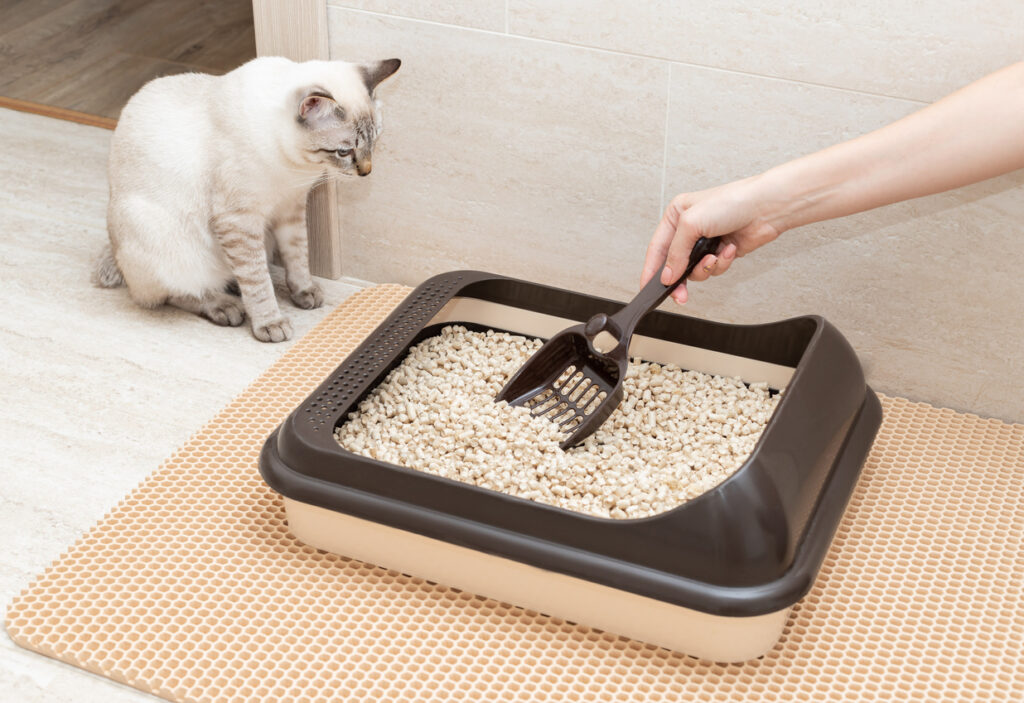
A dirty litter box is one of the top reasons for accidents. Cats want a clean place to go. Scoop waste at least once a day. Wash the box with mild soap every week.
Box Size And Location
A box that’s too small or in a busy area can discourage use. Place the box in a quiet spot, away from food and water.
Here’s a quick comparison of common litter box preferences:
| Preference | Most Cats Prefer | Common Mistake |
|---|---|---|
| Litter type | Unscented, clumping | Heavily scented litter |
| Box size | Large enough to turn around | Small or covered box |
| Cleanliness | Daily scooping | Leaving waste for days |
Credit: mvavets.com
Stress And Environmental Changes
Cats are sensitive to stress. Changes at home can upset their routine.
Some common causes of stress:
- New pets or people in the house
- Moving to a new home
- Loud noises (construction, parties, storms)
- Rearranging furniture
A stressed cat may poop outside the box as a way to cope. This is not revenge—it’s anxiety. Try to keep routines stable and give your cat a safe space to hide.
Territorial Behavior
Some cats mark their territory by pooping outside the box. This happens more in homes with several cats. One cat may block access to the box, or a cat may feel threatened.
Signs of territorial problems:
- Poop found near doors, windows, or along walls
- One cat guarding the litter box
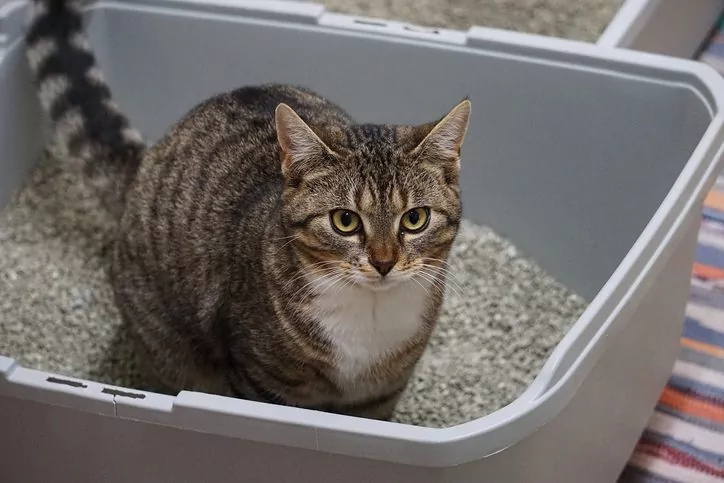
For multi-cat homes, provide more boxes. The rule is one box per cat, plus one extra. Place boxes in different rooms to avoid fights.
| Number of Cats | Recommended Boxes |
|---|---|
| 1 | 2 |
| 2 | 3 |
| 3 | 4 |
Credit: birchlakeanimalhospital.com
Aging And Mobility Issues
Older cats may struggle with arthritis or vision loss. They might have trouble climbing into a high-sided box. If the box is far from their favorite spot, they may not make it in time.
Some solutions:
- Use a box with low sides
- Place the box on each floor of your home
- Keep the box near where your cat spends time
Past Trauma Or Negative Experiences
If a cat has been frightened near the litter box, it may avoid it. Loud noises, bullying by other pets, or being startled can create a negative association. It’s important to make the box a safe, quiet place.
A less obvious problem: Some cats link pain with the box if they had a bad health episode there. They think the box caused the pain, even if it’s not true.
Common Owner Mistakes
Even loving owners make mistakes that lead to litter box issues. Here are two that many people miss:
- Using harsh cleaning products: Strong-smelling cleaners can leave a scent cats dislike. Use mild soap and water only.
- Moving the box too often: Cats like routine. Changing the box location can confuse them.
Another mistake is punishing the cat. This only increases stress and makes the problem worse. Instead, focus on finding and fixing the cause.
How To Solve The Problem
Solving litter box issues takes patience. Here are steps that usually work:
- Visit the vet to rule out health problems.
- Clean up accidents with an enzyme cleaner to remove all smell.
- Try different litters and box types if your cat is picky.
- Add more boxes in multi-cat homes.
- Reduce stress by keeping routines and adding hiding spots.
- Reward your cat for using the box with treats or petting.
If the problem continues, ask your vet for advice. Sometimes a cat behaviorist can help.
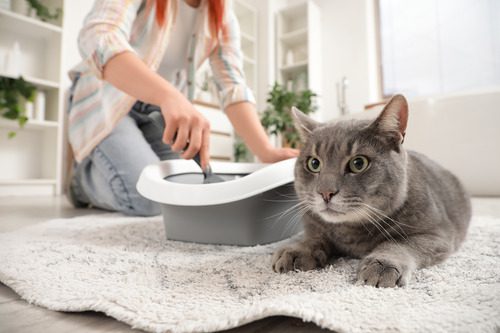
Credit: bestfriendsvet.org
Frequently Asked Questions
Why Did My Cat Suddenly Start Pooping Outside The Litter Box?
A sudden change usually means a medical problem, stress, or a dirty box. Visit your vet first to check for illness.
How Can I Stop My Cat From Pooping Outside The Box?
Clean the box daily, use unscented litter, and keep the box in a quiet spot. If you have more than one cat, add extra boxes.
Should I Punish My Cat For Pooping Outside The Box?
No. Punishment increases stress and makes things worse. Focus on understanding the cause and fixing it.
Is It Normal For Older Cats To Miss The Box?
Older cats may have trouble with high sides or reaching the box. Try a box with low sides and keep it close to where your cat rests.
Can A New Pet Cause Litter Box Problems?
Yes, new pets can cause stress and territorial disputes. Add more boxes and give your cat private spaces.
If you want more details about cat behavior, check the American Association of Feline Practitioners’ guidelines at Cat Friendly Homes.
Understanding why cats poop outside their litter box is the first step to solving the problem. With patience and the right approach, you and your cat can enjoy a cleaner, happier home.