
Is Clay Litter Bad For Cats?
Choosing the right litter for your cat feels simple—until you realize how many options exist. Clay litter is one of the oldest and most popular types, but in recent years, many cat owners have started to question if it’s truly safe. With concerns about dust, chemicals, and even environmental impact, it’s easy to feel confused. This article explores the real facts behind clay litter, including potential risks, benefits, and what both science and cat experts say. If you want what’s best for your cat, understanding the details will help you make a smart choice.
What Is Clay Litter?
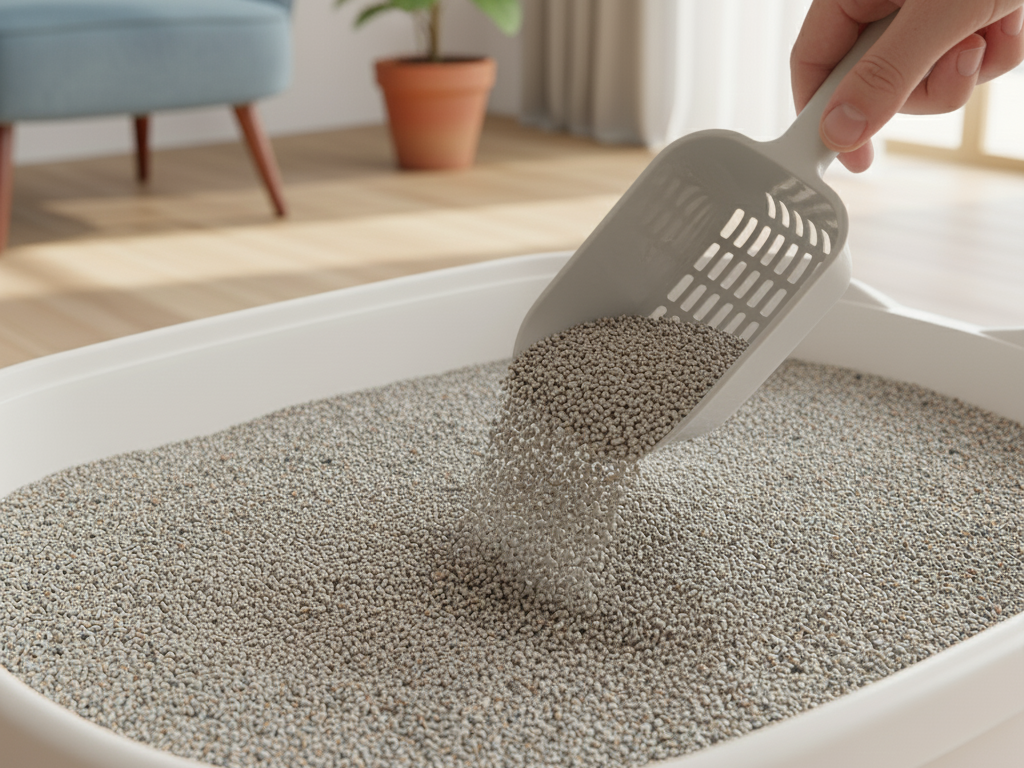
Clay litter is made from bentonite clay, a material that swells and clumps when wet. This feature makes cleaning easier since urine and feces can be scooped out. There are two main types:
- Non-clumping clay litter: Absorbs moisture but does not form solid clumps.
- Clumping clay litter: Forms tight clumps, making waste removal simpler.
Clay litter is widely available and usually less expensive than specialty litters. Most brands add fragrances or chemicals to control odor.
Possible Health Risks For Cats
Many cat owners worry that clay litter might harm their pets. Let’s look at the main concerns.
Dust Inhalation
Clay litter often produces fine dust when poured or when cats dig. This dust can be inhaled by both cats and humans. For most healthy cats, small amounts of dust are not a big problem. But for cats with asthma or other breathing issues, dust can trigger coughing or wheezing.
Non-obvious insight: Kittens are especially sensitive because their lungs are still developing. Dust exposure at a young age can cause long-term breathing issues.
Ingestion Of Litter
Some cats, especially kittens, may eat clay litter out of curiosity. This is risky because bentonite clay can expand in the stomach and may cause blockages. Signs include vomiting, loss of appetite, and trouble passing stool.
Fragrance And Chemical Additives
Scented clay litters often contain chemicals that help mask smells. These chemicals can irritate sensitive noses and skin. Some cats may develop allergies or avoid the litter box if the scent is too strong.
Paw Pad Irritation
The rough texture of some clay litters can cause small cuts or irritation on a cat’s paw pads. While rare, this problem is more common in cats with existing skin issues.
Environmental Impact
Clay litter doesn’t just affect cats—it also impacts the planet.
Non-renewable Resource
Bentonite clay is mined from the earth. Mining can damage landscapes and habitats for wildlife. Because clay litter is not biodegradable, it ends up in landfills and stays there for years.
Water Usage
Producing clumping clay litter uses a large amount of water. According to the U.S. Geological Survey, about 5 million tons of clay are mined for litter every year in the United States alone.
Comparing Environmental Impact
Here’s a comparison of clay litter versus some eco-friendly alternatives:
| Litter Type | Biodegradable | Renewable Resource | Decomposes in Landfill |
|---|---|---|---|
| Clay | No | No | No |
| Paper | Yes | Yes | Yes |
| Wood | Yes | Yes | Yes |
Eco-friendly options are better for the environment, but may not work for every cat or owner.
Pros Of Clay Litter
Despite the risks, clay litter remains popular for good reasons.
Excellent Odor Control
Clay litter is very good at trapping smells. The clumping action locks in urine and feces, making the box smell fresher.
Easy To Scoop
Clumping litter lets you remove waste daily, keeping the box clean. Non-clumping types also absorb moisture well, though they need to be changed completely more often.
Widely Available And Affordable
Most stores sell several brands of clay litter. It’s usually cheaper than other types, making it easy to find and fit into a budget.

Credit: curiouscatcompany.com
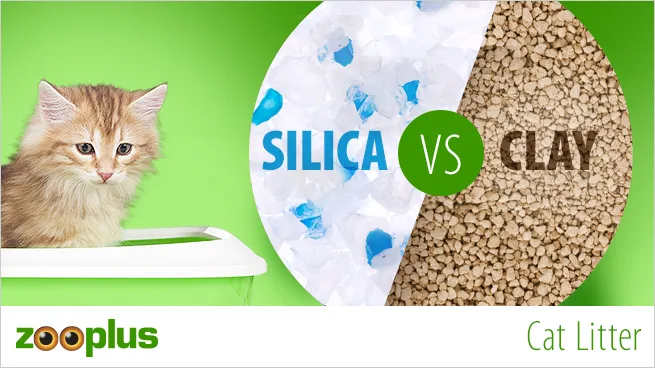
Comparing Clay Litter To Other Types
When deciding if clay litter is bad for cats, it helps to compare it with other options.
| Litter Type | Dust Level | Odor Control | Price Range | Cat Preference |
|---|---|---|---|---|
| Clay (Clumping) | Medium-High | High | Low-Medium | High |
| Silica Gel | Low | High | High | Medium |
| Paper | Low | Medium | Medium | Low-Medium |
| Wood/Pine | Low | Medium | Medium | Medium |
Many cats prefer the feel of clay litter because it’s soft and familiar. Switching to a new type can sometimes cause litter box problems.
When To Avoid Clay Litter
Clay litter may not be the best choice if:
- Your cat has asthma or other breathing problems
- You have a kitten who eats litter
- Someone in your home has allergies
- You want an eco-friendly choice
Credit: www.zooplus.co.uk
How To Use Clay Litter Safely
If you decide to use clay litter, there are ways to reduce risks:
- Choose low-dust, unscented varieties.
- Pour litter gently to avoid making dust clouds.
- Scoop daily and change the litter regularly.
- Wash the box weekly with mild soap and water.
- Watch for signs of allergies or breathing trouble in your cat.
Non-obvious insight: Using a covered litter box can actually trap more dust inside, exposing your cat to higher amounts. An open box with good ventilation is often safer.
What Veterinarians Say
Most vets agree that clay litter is safe for healthy adult cats. Problems usually happen if a cat has a specific health issue or if the litter is very dusty or heavily scented. If your cat develops sneezing, coughing, or avoids the box, try switching to a different type. For more guidance, the ASPCA offers advice on litter box choices.
Credit: ladynpet.com
Frequently Asked Questions
Is Clumping Clay Litter Toxic To Cats?
Clumping clay litter is not toxic when used as directed. However, eating large amounts can cause stomach problems or blockages, especially in kittens.
Can Clay Litter Cause Breathing Problems In Cats?
Yes, the dust from clay litter can irritate a cat’s lungs, especially if they have asthma or are very young. Choosing low-dust brands helps reduce this risk.
Is Clay Litter Safe For Kittens?
Clay litter is not recommended for kittens under 4 months old because they may eat it. Safer options include paper or wood-based litter until they are older.
How Can I Reduce Dust From Clay Litter?
Pour the litter slowly, use a scoop instead of shaking the box, and choose dust-free or low-dust products. Keep the litter box in a well-ventilated area.
Are There Better Alternatives To Clay Litter?
There are alternatives like paper, wood, and corn-based litters. These are often more eco-friendly and produce less dust, but not all cats accept them right away.
Making the best choice for your cat means understanding the pros and cons. Clay litter has some risks, but for many healthy adult cats, it remains a safe and effective option. If you notice any problems, don’t be afraid to try other types.
Your cat’s health and comfort always come first.