A cat wearing a cone collar is a common sight after surgery or injury. That simple plastic cone, known as a feline Elizabethan collar, is more important than it looks. While it may seem uncomfortable or even a little funny, the Elizabethan collar plays a serious role in a cat’s recovery and health. Many cat owners worry about their pet’s comfort, but understanding how these collars work, how to use them, and what options exist can make a big difference for both cat and owner.
What Is A Feline Elizabethan Collar?
The feline Elizabethan collar—often called an “E-collar” or “cat cone”—is a protective medical device. It is shaped like a truncated cone, wider at the outer end and narrow at the neck. Its main purpose is to prevent cats from biting, licking, or scratching wounds, stitches, or irritated skin. This helps wounds heal faster and reduces the risk of infection or complications.
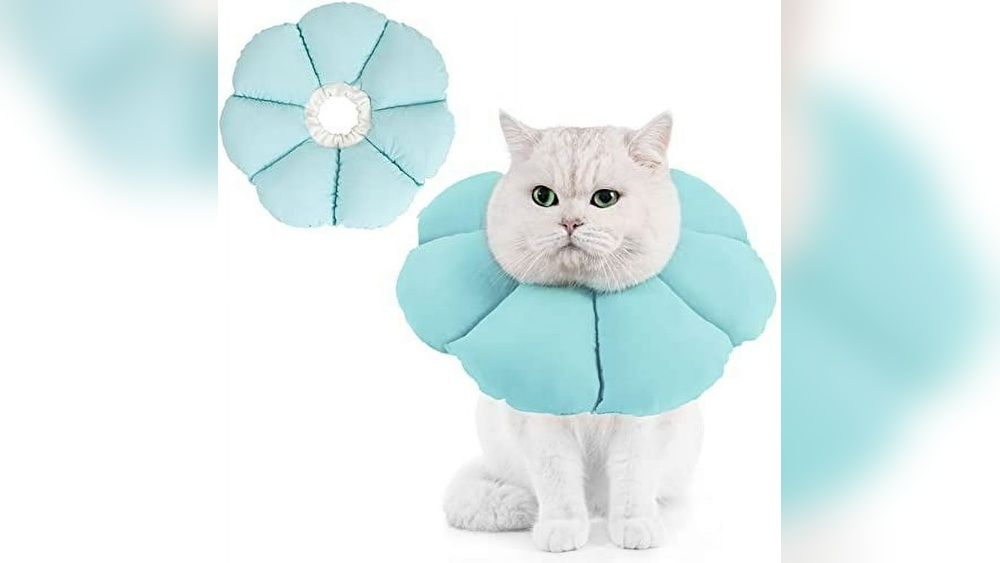
The name “Elizabethan” comes from the ruffled collars worn in England during Queen Elizabeth I’s time. The modern version is usually made from lightweight plastic, but there are also soft fabric and inflatable varieties.
Why Cats Need An Elizabethan Collar
Cats are natural groomers. They use their tongues and teeth to clean themselves, but this can cause problems after surgery or injury. Here are some main reasons a cat cone is important:
- Protect surgical sites: Prevents the cat from licking or chewing stitches.
- Stop infection: Reduces the risk of bacteria entering wounds.
- Avoid self-harm: Stops scratching that can reopen healing wounds.
- Aid medication: Ensures ointments or medicines stay on the skin, not licked off.
Without an Elizabethan collar, even a small wound can turn into a bigger health issue. Some cats can undo several days of healing in just a few minutes of licking or biting.

Credit: www.amazon.sa
Types Of Elizabethan Collars For Cats
Cat cones have evolved. Not every collar is the same, and owners have choices to fit their cat’s needs and comfort. Compare the common types below:
| Type | Material | Comfort Level | Durability |
|---|---|---|---|
| Traditional Plastic Cone | Rigid Plastic | Low | High |
| Soft Fabric Collar | Cloth, Foam | Medium-High | Medium |
| Inflatable Collar | PVC, Fabric | High | Medium |
| Recovery Suit (Alternative) | Stretch Fabric | Very High | Low-Medium |
Traditional Plastic Cone
This is the classic E-collar. It offers strong protection but can limit a cat’s movement and ability to eat or drink easily.
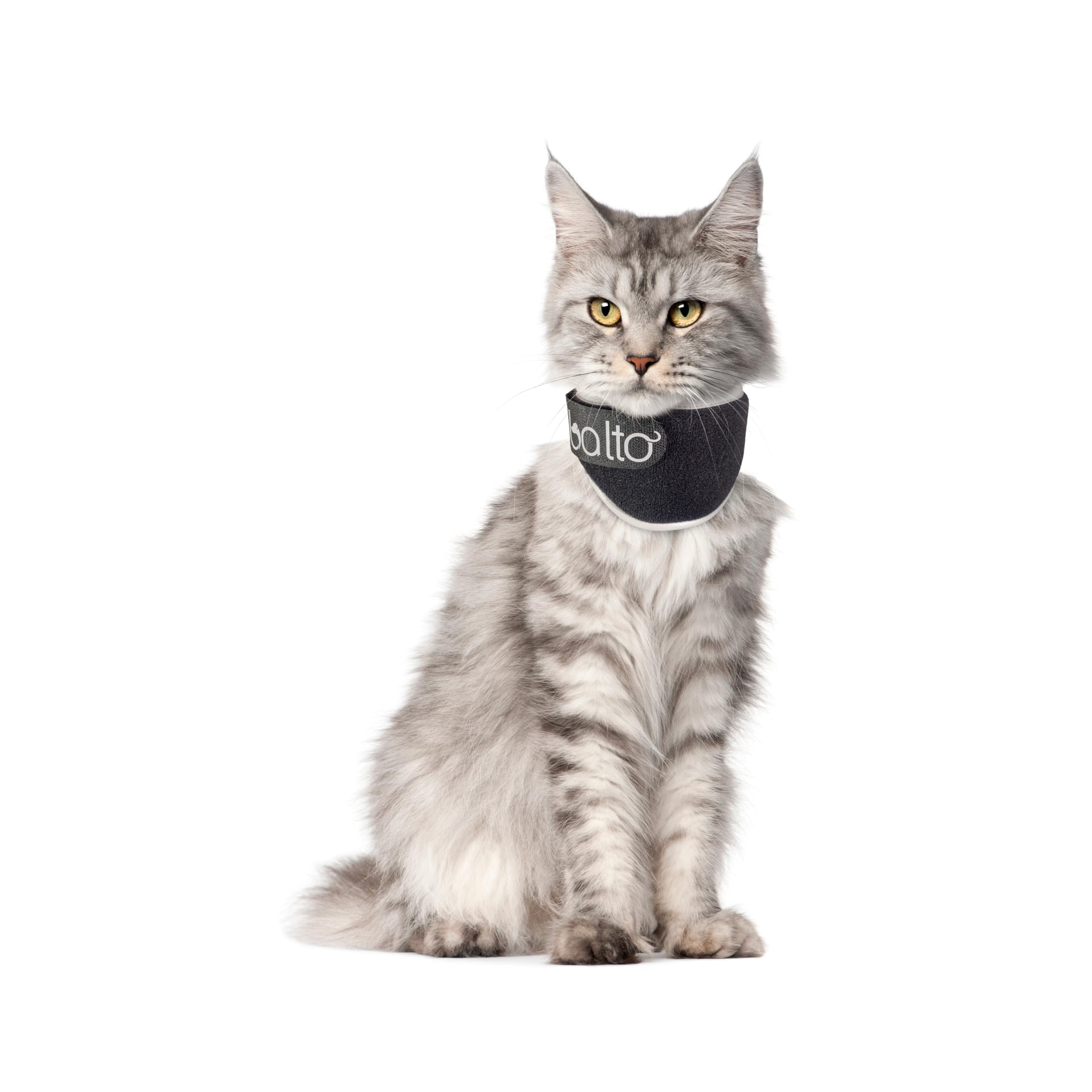
Soft Fabric Collar
Made from softer, flexible materials, these collars are more comfortable but may not stop determined cats from reaching some areas.
Inflatable Collar
Looks like a soft doughnut around the neck. It is less restrictive and more comfortable for sleeping, but may not block access to all body parts.
Recovery Suit
Not a collar, but a body suit. It covers the wound area and may be used for certain injuries or surgeries. It is very comfortable but does not protect against scratching the face or head.
How To Choose The Right Elizabethan Collar
Not every E-collar fits every cat. Here are some important factors to consider:
- Size and fit: The collar should be long enough to extend past the cat’s nose but not so long that it interferes with eating or moving.
- Material: Rigid cones offer better protection, but soft or inflatable collars are more comfortable.
- Personality: Some cats adapt quickly, others struggle. Shy or anxious cats may need softer options.
- Wound location: For wounds on the head or upper body, a traditional cone works best. For lower body or tail injuries, a recovery suit may be better.
A quick comparison can help:
| Wound Location | Best Collar Type | Alternative |
|---|---|---|
| Head/Face | Plastic Cone | Soft Collar |
| Body/Neck | Plastic/Inflatable | Recovery Suit |
| Lower Body/Tail | Plastic Cone | Recovery Suit |
Credit: www.amazon.sa
Tips For Helping Your Cat Adjust
Most cats dislike wearing a collar at first. Here are some tips to make the process easier:
- Positive association: Give treats and praise when putting on the collar.
- Check fit daily: Make sure it’s not too tight or too loose.
- Monitor eating and drinking: Some cats need a raised bowl or hand feeding at first.
- Remove only with vet’s advice: Even if your cat seems annoyed, do not remove the collar until the vet approves.
A common mistake is removing the collar too soon. Even if the wound looks healed outside, deeper tissue may still be fragile.
Common Problems And Solutions
Some cats are experts at removing or slipping out of their collars. Others become stressed or stop eating. Here’s how to handle these issues:
- Cat removes collar: Check for proper fit. Consider switching to a different style or securing with medical tape (never use adhesives directly on fur).
- Cat won’t eat: Try hand feeding or switching to a softer collar. Ensure bowls are easy to reach.
- Excessive stress: Use calming sprays or plug-ins. Give extra attention and playtime.
If problems continue, always speak with your veterinarian. Never leave a cat unsupervised with a collar until you are sure it is safe and effective.

Credit: www.lillyandmax.com
How Long Should A Cat Wear An Elizabethan Collar?
Most cats need the collar for 7 to 14 days after surgery or injury. Your veterinarian will provide a specific timeline. Sometimes, wounds appear healed on the outside before the inside is ready. Removing the collar too soon is a top mistake.
Some research suggests cats tolerate soft collars better for long periods. However, if the collar is removed early, the chance of wound reopening or infection increases. Always follow your vet’s instructions strictly.
The Science Behind E-collars
Studies show that Elizabethan collars reduce wound complications and speed up healing. According to the American Veterinary Medical Association, improper wound care can double the risk of infection. The E-collar is not just a tradition—it is a proven, effective tool in veterinary recovery.
Some new designs, like transparent or padded cones, help cats see and move better. Still, no collar is perfect for every cat. Owners must observe their pet’s behavior and adjust as needed.
For more information on the medical background of Elizabethan collars, see the Wikipedia entry.
Frequently Asked Questions
How Tight Should A Feline Elizabethan Collar Be?
The collar should be snug but not tight. You should be able to fit two fingers comfortably between the collar and your cat’s neck.
Can My Cat Eat And Drink With An Elizabethan Collar?
Most cats can, but you may need to use shallow or raised bowls. If your cat struggles, consider a softer collar or hand feeding.
Are There Alternatives To The Traditional Plastic Cone?
Yes, options include soft fabric collars, inflatable collars, and recovery suits. Each has pros and cons depending on the wound and your cat’s behavior.
How Do I Know If The Collar Is Causing Discomfort Or Pain?
Look for excessive scratching, refusal to move, or not eating. If your cat seems distressed for more than a day or two, consult your vet.
How Do I Clean A Feline Elizabethan Collar?
Plastic cones can be wiped with soapy water and dried. Fabric collars may be machine washable—always check the label.
A feline Elizabethan collar may not be a fashion statement, but it is a powerful tool for healing. By understanding your options and supporting your cat with patience and care, you can help them recover quickly and safely.