Cat owners know the struggle: one small accident can make your home smell terrible for days. Cat urine is strong, sticky, and hard to remove. Standard cleaners often don’t work. The secret to truly getting rid of the smell is using a cat pee enzyme remover. These special cleaners break down the urine molecules, eliminating stains and odors at the source. If you want a clean home, understanding how enzyme removers work and how to use them is essential.
Why Cat Urine Is So Difficult To Clean
Cat pee isn’t like other messes. It contains uric acid crystals and bacteria. When urine dries, the crystals stay, producing a strong smell that gets worse over time. Water or regular soap just spreads the problem. Even if you can’t see the stain, your cat’s nose can. This is why cats sometimes pee in the same spot again—they still smell the urine.
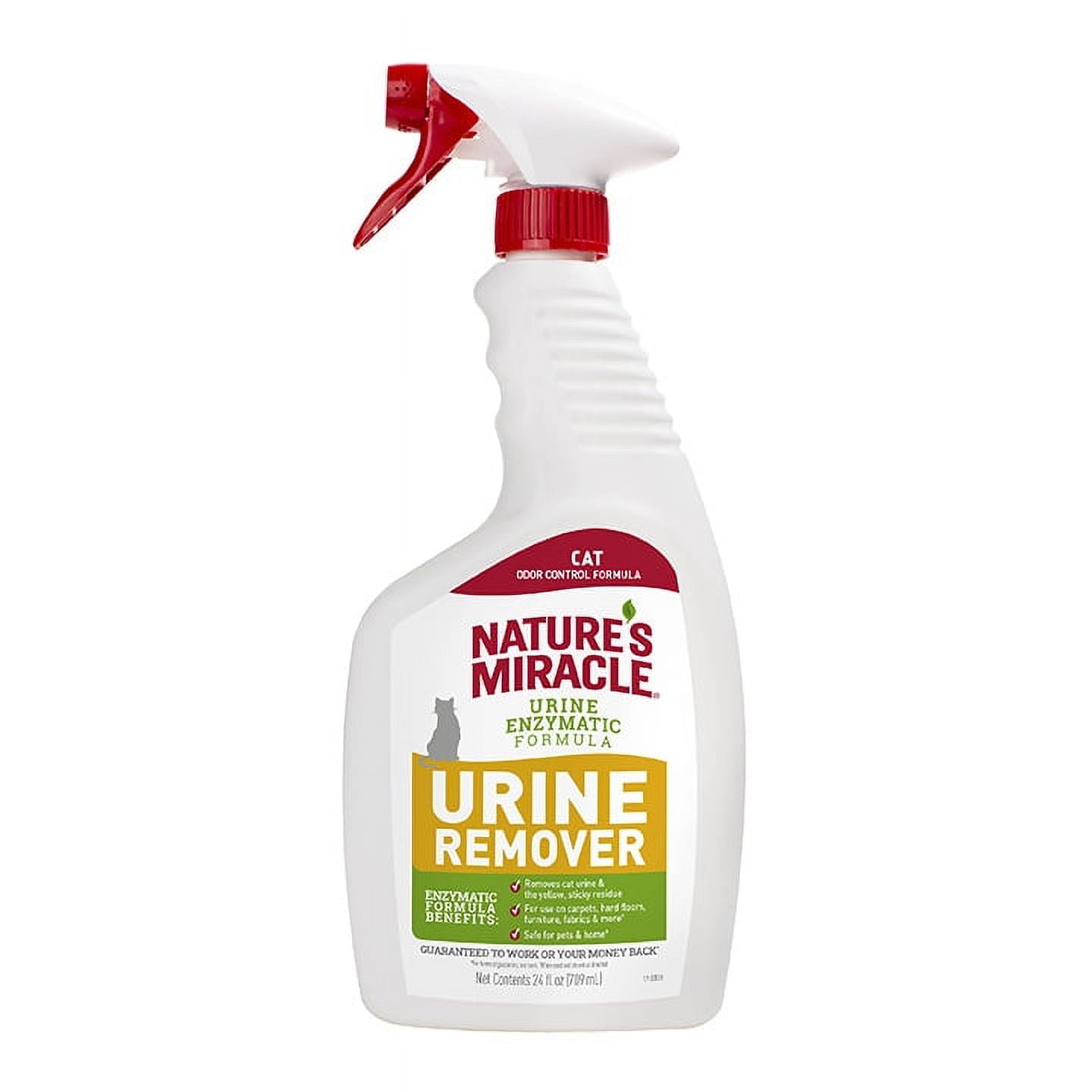
What Is A Cat Pee Enzyme Remover?
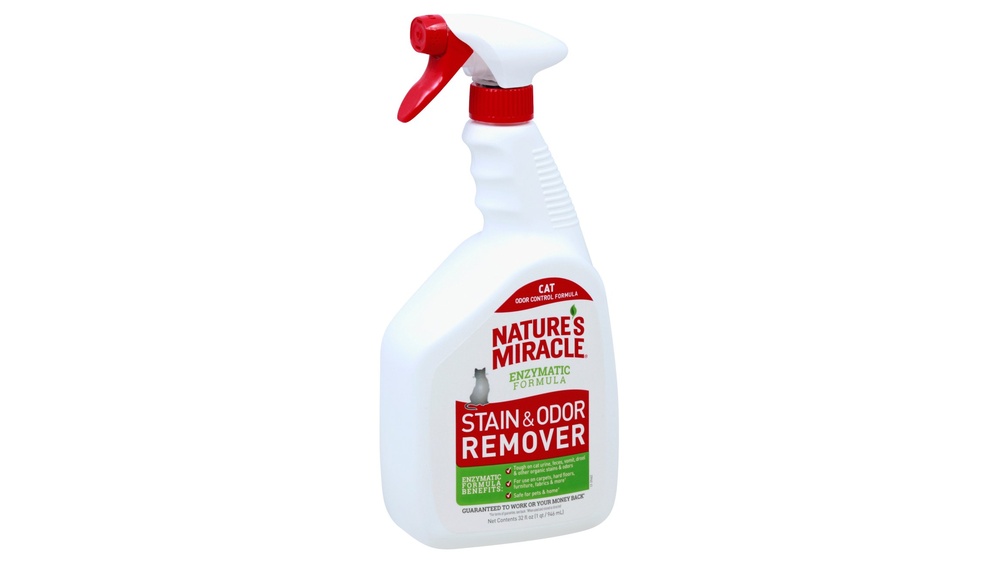
A cat pee enzyme remover is a cleaning solution with live enzymes. These enzymes break down the chemicals in cat urine, especially the uric acid. Instead of just covering up odors, enzyme removers destroy the molecules that cause bad smells. This is what makes them different from regular cleaners or air fresheners.
Enzyme removers are safe for most surfaces, including carpets, hardwood, upholstery, and even bedding. Some products are also non-toxic, which is important if you have pets or children at home.
Credit: www.anoet.com
How Enzyme Removers Work
Enzyme cleaners use beneficial bacteria that produce enzymes. These enzymes feed on the urine and turn it into water and gas. The process is natural and continues until the urine is gone.
Here’s a simple breakdown:
- The remover soaks into the stain.
- Enzymes break down the urine’s proteins and acids.
- Odors and stains disappear as the urine is digested.
This method is much more effective than using vinegar or baking soda alone.
How To Use Cat Pee Enzyme Remover
For best results, follow these steps:
- Blot the area: Use paper towels to soak up as much fresh urine as possible. Do not rub, as this spreads the stain.
- Saturate with enzyme remover: Pour enough solution to reach deep into the carpet or fabric.
- Let it sit: Most products need 10–15 minutes to work, but for old stains, let it soak for several hours or overnight.
- Air dry: Do not use heat or fans. Enzymes need moisture to work, so let it dry naturally.
- Vacuum or wipe: Once dry, vacuum the area (for carpets) or wipe with a clean cloth.
Repeat if necessary for strong or old stains.
Comparing Cat Pee Enzyme Removers
Different products have their own strengths. Here is a comparison of three popular enzyme removers:
| Product | Surface Compatibility | Scent | Pet Safe |
|---|---|---|---|
| Rocco & Roxie Stain & Odor Eliminator | Carpet, upholstery, hard floors | Light, fresh | Yes |
| Nature’s Miracle Advanced | Fabric, wood, tile | Mild | Yes |
| Bubba’s Super Strength | Carpets, rugs, mattresses | Unscented | Yes |
What To Look For When Choosing A Cat Pee Enzyme Remover
Consider these factors before you buy:
- Surface compatibility: Make sure the cleaner is safe for your floors, furniture, or bedding.
- Strength: Some removers are better for old stains, others for fresh ones.
- Safety: Look for non-toxic, pet-safe formulas.
- Scent: Some products have a strong fragrance, which can bother sensitive pets or people.
- Ease of use: Spray bottles are easier for quick clean-ups.
Here’s a quick comparison of key buying factors:
| Feature | Why It Matters |
|---|---|
| Non-toxic ingredients | Safer for pets and children |
| Versatile use | Works on many surfaces |
| No residue | Leaves area clean, not sticky |
| Odor elimination | Removes smell, not just covers it |
:strip_icc()/SPRPets_BiokleenBac-OutStainRemoverforClothesCarpetatAmazon_HW_23-3ddd2bbab1594b0bbf4076429800851e.jpg)
Credit: www.thesprucepets.com
Common Mistakes When Using Enzyme Removers
- Not using enough product: You need to soak the whole stained area, not just the top.
- Using other cleaners first: Chemicals like bleach or vinegar can kill the enzymes, making them less effective.
- Rushing the process: Enzymes need time to work. If you wipe too soon, they can’t finish breaking down the urine.
- Ignoring old stains: Even old spots can be treated, but they may need more product and time.
A beginner might miss that old stains often require more than one treatment. Also, using heat to dry the area can actually make the smell worse, because it sets the urine crystals in the fabric or carpet.
Practical Tips For Better Results
- Always test the remover on a small, hidden area first.
- Use a blacklight to find invisible stains. Cat urine glows under UV light.
- Wash any affected bedding or clothes with an enzyme cleaner, not regular detergent.
- If the smell comes back after a few days, reapply the remover and let it soak longer.
- Keep your cat’s litter box clean and accessible to prevent repeat accidents.
When To Call A Professional
Sometimes, home treatments are not enough. If you have a large area or very old stains, professionals have stronger enzyme solutions and equipment. They can treat carpets, floors, and even walls. If you rent, professional cleaning might be required by your lease.
Real Data: Do Enzyme Removers Really Work?
Studies show enzyme cleaners are up to 90% more effective than standard cleaners for pet urine. According to the American Veterinary Medical Association, enzyme cleaners are the best way to remove pet urine odors and stains. This is why many vets and pet trainers recommend them over homemade solutions.
For more details, see this guide from the Wikipedia: Enzyme cleaner.

Credit: www.goodhousekeeping.com
Frequently Asked Questions
What Is The Best Cat Pee Enzyme Remover?
Many experts recommend Rocco & Roxie for its strength and pet-safe formula. However, the best remover also depends on your surface and personal preference.
Can I Use Enzyme Removers On Hardwood Floors?
Yes, but always check the label. Some enzyme cleaners are safe for sealed wood, but you should wipe up any excess liquid to avoid water damage.
Why Does The Smell Come Back After Cleaning?
If the enzymes didn’t reach all the urine, or if the area dried too quickly, the smell can return. Reapply and let the product soak longer.
Are Enzyme Removers Safe For Pets And Children?
Most top brands are non-toxic and safe once dry. Always follow the instructions and keep pets away from wet, treated areas.
Can I Make A Homemade Enzyme Cleaner?
Homemade versions are possible, but they are not as powerful as commercial products. For tough stains and odors, a store-bought enzyme remover is usually more effective.
A clean, fresh home is possible—even with cats. With the right enzyme remover and proper technique, you can say goodbye to stubborn stains and odors for good.