Is Wet Food Better For Cats
Is Wet Food Better For Cats? Choosing the right food for your cat can feel confusing. Many owners wonder if wet food is truly better than dry food, or if it’s just a matter of taste. With so many brands and opinions, it’s not easy to know what’s best. The answer depends on several factors, including your cat’s health, age, and daily habits. This article explores the benefits and drawbacks of wet food, compares it to dry food, and shares insights that most cat owners miss. By the end, you’ll have a clear understanding to help you make the best choice for your furry friend.
What Is Wet Cat Food?
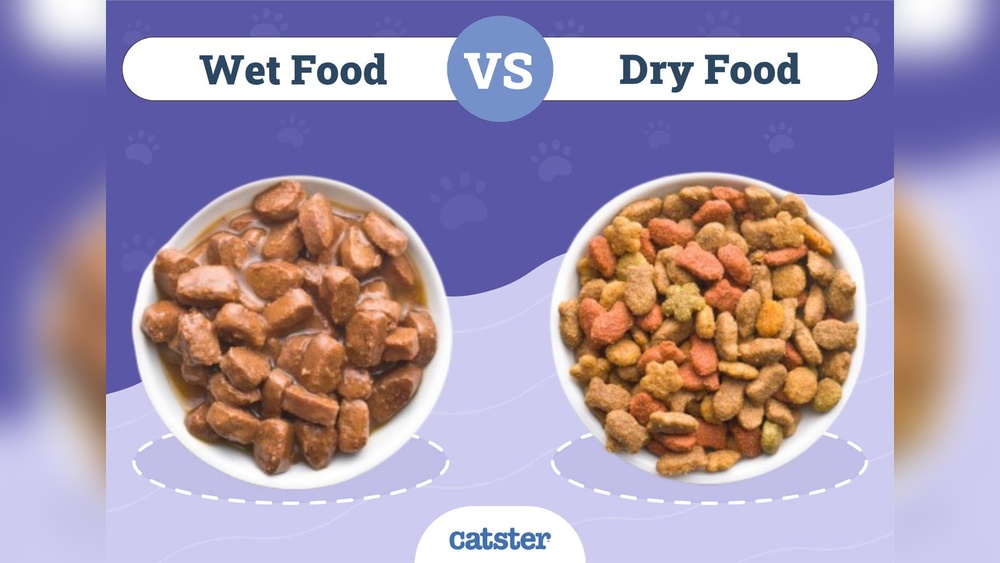
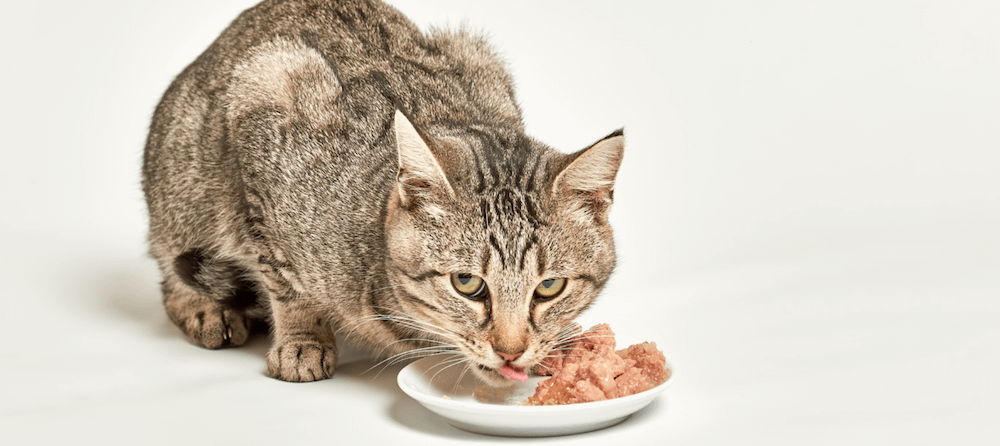
Wet cat food comes in cans, pouches, or trays. It contains higher moisture content, usually around 75–85% water. Ingredients often include meat, fish, or poultry, plus added vitamins and minerals. Wet food is soft and easy for cats to chew. It’s different from dry kibble, which contains less than 10% water and has a crunchy texture.
Key Benefits Of Wet Food For Cats
High Moisture Content
Cats often don’t drink enough water on their own. Wet food helps keep cats hydrated because it provides much more water than dry food. This extra moisture supports kidney health and lowers the risk of urinary tract problems.
Easier To Eat And Digest
Wet food is softer and easier for cats to chew, especially for older cats or those with dental problems. The soft texture can also make it easier to digest, reducing stomach upset for some cats.
Supports Weight Management
Wet food tends to be lower in calories per serving because of the high water content. Cats feel full faster, which can help prevent obesity. For cats that need to lose weight, wet food can be a safer way to reduce calories without making them feel hungry.
Strong Aroma And Taste
Wet food smells and tastes stronger, which is appealing for picky eaters. If your cat has lost interest in eating or is recovering from an illness, wet food can encourage them to eat more.

Credit: www.youtube.com
Comparing Wet Food And Dry Food
Understanding the differences between wet and dry food helps you make a better decision. Here’s a simple comparison to highlight the main points:
| Feature | Wet Food | Dry Food |
|---|---|---|
| Water Content | 75–85% | Less than 10% |
| Calorie Density | Lower | Higher |
| Dental Benefit | Minimal | Can help reduce tartar |
| Shelf Life (Opened) | Short (must refrigerate) | Long |
| Cost | Usually higher | Usually lower |
| Convenience | Less convenient | Very convenient |
Potential Drawbacks Of Wet Food
While wet food has many benefits, there are also some downsides to consider.
- Cost: Wet food usually costs more than dry food, especially for large cats or multiple pets.
- Storage: Once opened, wet food must be refrigerated and used within a day or two.
- Dental Health: Wet food does not help clean teeth. Cats who eat only wet food may need extra dental care.
- Messiness: Wet food can spoil quickly if left out and may create more mess than dry kibble.
Credit: www.whisker.com
Special Considerations For Cat Owners
Cats With Urinary Problems
Many cats, especially males, are prone to urinary tract issues. Wet food can help by increasing water intake, which dilutes the urine and helps prevent crystals from forming. This is a major benefit that many owners overlook.
Kittens And Senior Cats
Kittens need energy and hydration for growth. Wet food is easy for kittens to eat and provides the moisture they need. Senior cats often have dental problems or lose their sense of smell. The strong aroma and soft texture of wet food make it easier for them to eat and enjoy.
Obese Or Diabetic Cats
For cats with weight issues or diabetes, wet food allows for better portion control and lower carbohydrate intake. Many dry foods are high in carbs, which can make diabetes management harder.
How To Switch To Wet Food Safely
Changing your cat’s diet should be done slowly. Sudden switches can cause stomach upset. Here’s a simple plan to help your cat adjust:
- Start by mixing a small amount of wet food with your cat’s usual food.
- Gradually increase the wet food and decrease the old food over 7–10 days.
- Watch for signs of digestive trouble, such as vomiting or diarrhea.
- Offer wet food at room temperature to enhance the smell and taste.
Cats are creatures of habit. Some may resist change at first. If your cat refuses wet food, try different flavors or textures.
Non-obvious Insights Most Owners Miss
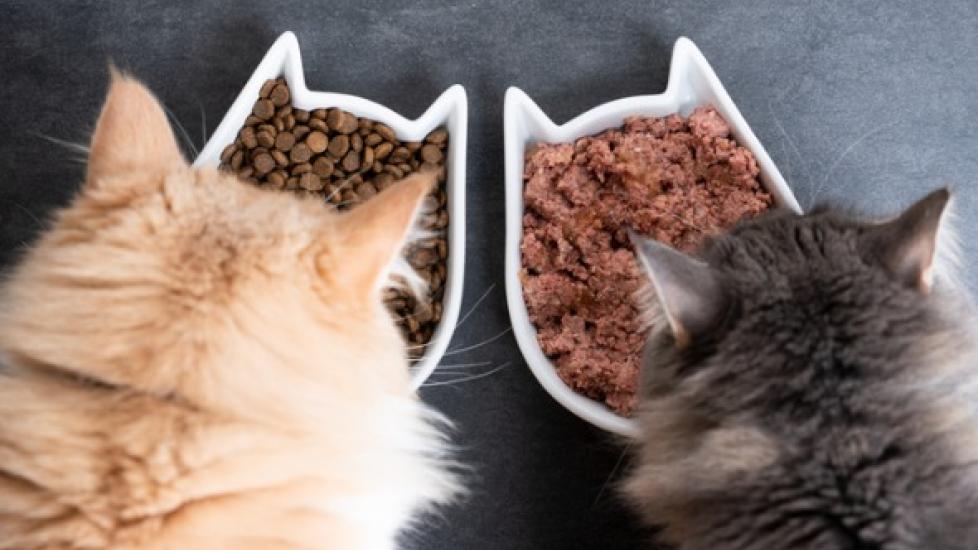
- Mixing Wet and Dry Food Can Be Best: You don’t have to choose only one type. Many owners mix both to get the benefits of each. For example, dry food during the day for convenience, and wet food for dinner to boost water intake.
- Check Protein Quality: Not all wet foods are equal. Look for brands that list real meat as the first ingredient. Some cheaper wet foods use by-products or fillers with less nutritional value.
- Monitor Your Cat’s Water Bowl: Even if your cat eats wet food, always provide fresh water. Some cats still prefer to drink separately, especially in warm climates.
What Do Vets Say?
Most veterinarians agree that wet food is an excellent choice for many cats, especially those with urinary issues, obesity, or dental problems. However, every cat is different. Your vet may recommend a specific diet based on your cat’s medical history, age, and preferences. According to the American Veterinary Medical Association, ensuring your cat gets enough water is one of the best ways to support long-term health (AVMA Cat Nutrition Tips).
Credit: www.petmd.com
Sample Wet Food Feeding Guidelines
The right amount depends on your cat’s size, age, and activity level. Here’s a quick reference for adult cats:
| Cat Weight | Daily Wet Food (typical 3 oz cans) |
|---|---|
| 2–3 kg (4–7 lbs) | 1–1.5 cans |
| 4–5 kg (8–11 lbs) | 2–2.5 cans |
| 6–7 kg (12–15 lbs) | 3–3.5 cans |
Always check the feeding guidelines on your chosen brand, and adjust for your cat’s needs.
Final Thoughts
Wet food offers many clear benefits for cats, especially for hydration, weight management, and palatability. It can be a healthier choice for cats with urinary, dental, or weight issues. However, it can cost more and requires more effort to store and serve.
Mixing wet and dry food is a practical way to balance convenience, health, and cost. Remember, the best diet depends on your cat’s unique needs. When in doubt, talk to your vet for personalized advice.
Frequently Asked Questions
Should I Feed My Cat Only Wet Food?
Feeding only wet food is safe for most cats and helps with hydration. However, some owners mix wet and dry food to balance health and convenience.
Can Wet Food Improve My Cat’s Kidney Health?
Yes, the extra moisture in wet food supports kidney function and helps prevent urinary tract issues, especially in older cats.
Is Wet Food Better For Kittens?
Wet food is great for kittens. It provides hydration and is easy for them to eat. Many breeders and vets recommend wet food for kittens up to 12 months old.
Does Wet Food Cause Dental Problems?
Wet food does not clean teeth. Cats on wet food may need regular dental check-ups and tooth brushing to prevent dental disease.
How Long Can Wet Food Be Left Out?
Wet food should not be left out for more than 2 hours at room temperature. After that, it can spoil and become unsafe for your cat to eat.