Being pregnant is an exciting and sometimes stressful time. Many women have questions about daily activities, especially those involving pets. If you have a cat, you might wonder if changing cat litter is safe during pregnancy. The short answer is yes—with some important precautions.
Understanding the risks and learning how to protect yourself is key to staying healthy for both you and your baby.
Why Cat Litter Is A Concern In Pregnancy
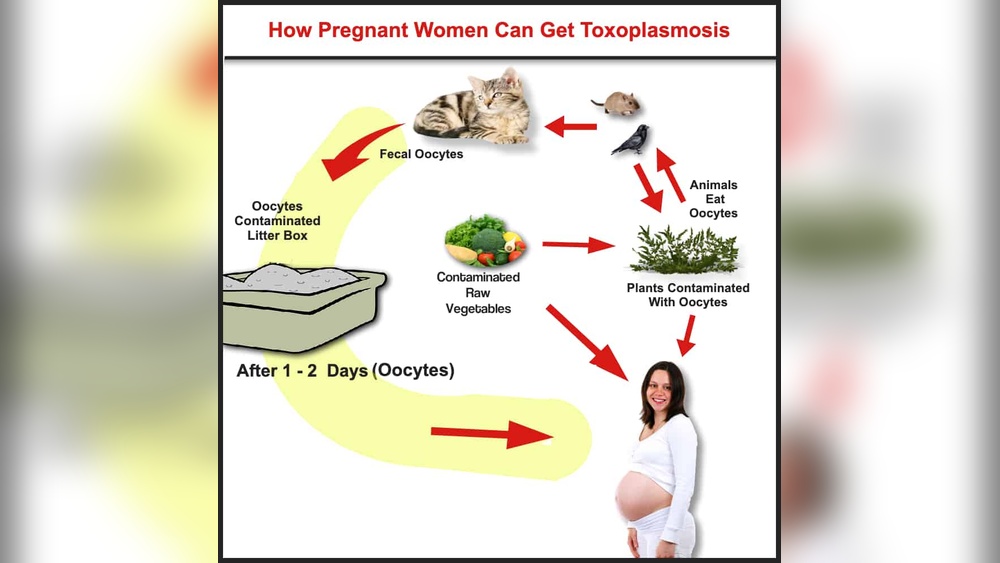
The main worry with cat litter in pregnancy is a parasite called Toxoplasma gondii. This parasite causes toxoplasmosis, which can pass from a pregnant woman to her unborn baby. Toxoplasmosis is usually mild for adults, but for a developing baby, it can cause serious health problems like eye damage, brain injury, or miscarriage.
Cats can become infected with Toxoplasma by eating small animals. The parasite then passes into their stool and can spread in the litter box. Not all cats carry this parasite, but you can’t tell by looking. That’s why taking steps to avoid infection is so important.
How Toxoplasmosis Spreads
Toxoplasmosis is not only found in cat litter. You can also catch it from:
- Eating raw or undercooked meat
- Handling soil or sand where infected cats may have defecated
- Unwashed fruits and vegetables
However, handling cat litter is a common source of concern for pregnant women. Research shows that only about 15% of women of childbearing age are immune to toxoplasmosis, meaning most are at risk if exposed.
Safe Cat Litter Practices During Pregnancy
You do not need to give up your cat when you are pregnant. With careful habits, you can stay safe. Here’s how:
- Avoid cleaning the litter box if possible. Ask someone else to do this job during pregnancy.
- If you must clean it, wear disposable gloves and a mask. Wash your hands with soap and water immediately after.
- Change the litter daily. The Toxoplasma parasite does not become infectious until 1-5 days after being shed.
- Keep your cat indoors. Outdoor cats are more likely to catch Toxoplasma.
- Do not adopt new cats or kittens during pregnancy. Young cats are more likely to shed the parasite.
- Wash your hands after touching your cat, especially before eating or touching your face.
- Keep cats away from kitchen counters and food preparation areas.
Extra Precautions For Cat Owners
Many people do not realize that the risk from cats is actually quite low if you follow basic hygiene. Two non-obvious tips:
- Do not feed your cat raw meat. Some owners like to give cats raw food, but this can increase the risk of Toxoplasma infection.
- Litter box location matters. Place the litter box in a low-traffic area, away from where you prepare food or spend time relaxing.
Symptoms Of Toxoplasmosis
Most adults with toxoplasmosis have mild or no symptoms. Signs can include:
- Mild flu-like symptoms (fever, muscle aches, fatigue)
- Swollen lymph nodes
Because symptoms are often mild or absent, many women do not know they are infected. This makes prevention especially important.
Testing And Diagnosis
If you are pregnant and worried about exposure, your doctor can order a blood test to check for Toxoplasma antibodies. This test shows if you have a new or past infection. Early diagnosis helps reduce risks to your baby.

Credit: unifi.com
Comparing Risks: Cat Litter Vs. Other Sources
Many women worry about cats, but the biggest risk comes from food. Here is a comparison:
| Source | Risk Level | Prevention |
|---|---|---|
| Cat Litter | Moderate | Gloves, daily cleaning, avoid handling |
| Raw/Undercooked Meat | High | Cook meat fully, wash hands |
| Soil/Gardening | Moderate | Wear gloves, wash hands |
Myths And Facts About Cats And Pregnancy
There are many myths about cats and pregnancy. Let’s clear up the most common ones:
| Myth | Fact |
|---|---|
| You must give up your cat when pregnant. | Not true. Good hygiene is enough to stay safe. |
| All cats carry toxoplasmosis. | Most indoor cats never get infected. |
| Touching a cat gives you toxoplasmosis. | Only cat stool may carry the parasite, not fur. |

Credit: www.eecusa.com
When To See A Doctor
Contact your doctor if:
- You accidentally clean the litter box without gloves
- You develop flu-like symptoms while pregnant
- You are unsure about your immunity status
Doctors can order tests and give advice on reducing risk. In rare cases, medication may help prevent infection spreading to the baby.
Real-world Example
A 2021 study in the United States found that less than 1 in 10 cases of toxoplasmosis in pregnancy were linked to cats. Most infections came from eating undercooked meat or unwashed produce. This shows that while it’s good to be careful with cat litter, your main focus should be on safe food handling.
Tips For Safe Living With Cats In Pregnancy
- Let others handle litter box duties
- Wash hands after petting or feeding your cat
- Avoid gardening without gloves
- Keep your cat indoors and feed only commercial cat food
These steps lower your risk while allowing you to enjoy your pet’s company during pregnancy.
Key Takeaways
Living with a cat during pregnancy is safe with the right precautions. The main risk is from Toxoplasma gondii in cat feces, but daily litter cleaning and good hygiene can keep you protected. Remember, food safety is just as important.
If you have concerns, speak to your doctor, and never stop enjoying the love of your pet during this special time.
For more detailed information, visit the Centers for Disease Control and Prevention.

Credit: caryobgyn.com
Frequently Asked Questions
Can I Keep My Cat While Pregnant?
Yes, you can keep your cat. Just follow basic safety steps such as not handling the litter box if possible, wearing gloves, and washing your hands after touching your pet.
How Often Should The Litter Box Be Cleaned During Pregnancy?
The litter box should be cleaned every day. This prevents the Toxoplasma parasite from becoming infectious.
What If I Accidentally Touched Cat Litter With Bare Hands?
Wash your hands well with soap and water right away. The risk is small, but good hand hygiene is very important.
Do All Cats Have Toxoplasmosis?
No, not all cats carry the parasite. Indoor cats that eat only commercial food are at much lower risk than outdoor cats or those that hunt.
Should I Get Tested For Toxoplasmosis During Pregnancy?
Ask your doctor. Testing is available, especially if you have been exposed or have symptoms. Most doctors do not test unless there is a clear reason.