
Training a puppy can feel exciting and a little overwhelming. Many new dog owners wonder how to teach good behavior while building a strong bond. Treat training is one of the most effective ways to help your puppy learn quickly. This method uses food rewards to reinforce positive actions. With a smart approach, you can shape your puppy’s behavior, encourage confidence, and even prevent future problems. Let’s explore how treat training works and what you need to know to succeed.
Why Treat Training Works
Dogs are motivated by rewards, especially food. Puppies, in particular, are eager to please and love to eat. When you pair a treat with a command or action, your puppy learns to repeat that behavior. This is called positive reinforcement. Studies show that positive reinforcement is more effective than punishment-based methods, leading to better long-term results and a happier dog.
Treat training also builds trust. Instead of fearing mistakes, your puppy becomes eager to try new things. Over time, this method can help reduce stress and prevent problems like anxiety or aggression.
Choosing The Right Treats
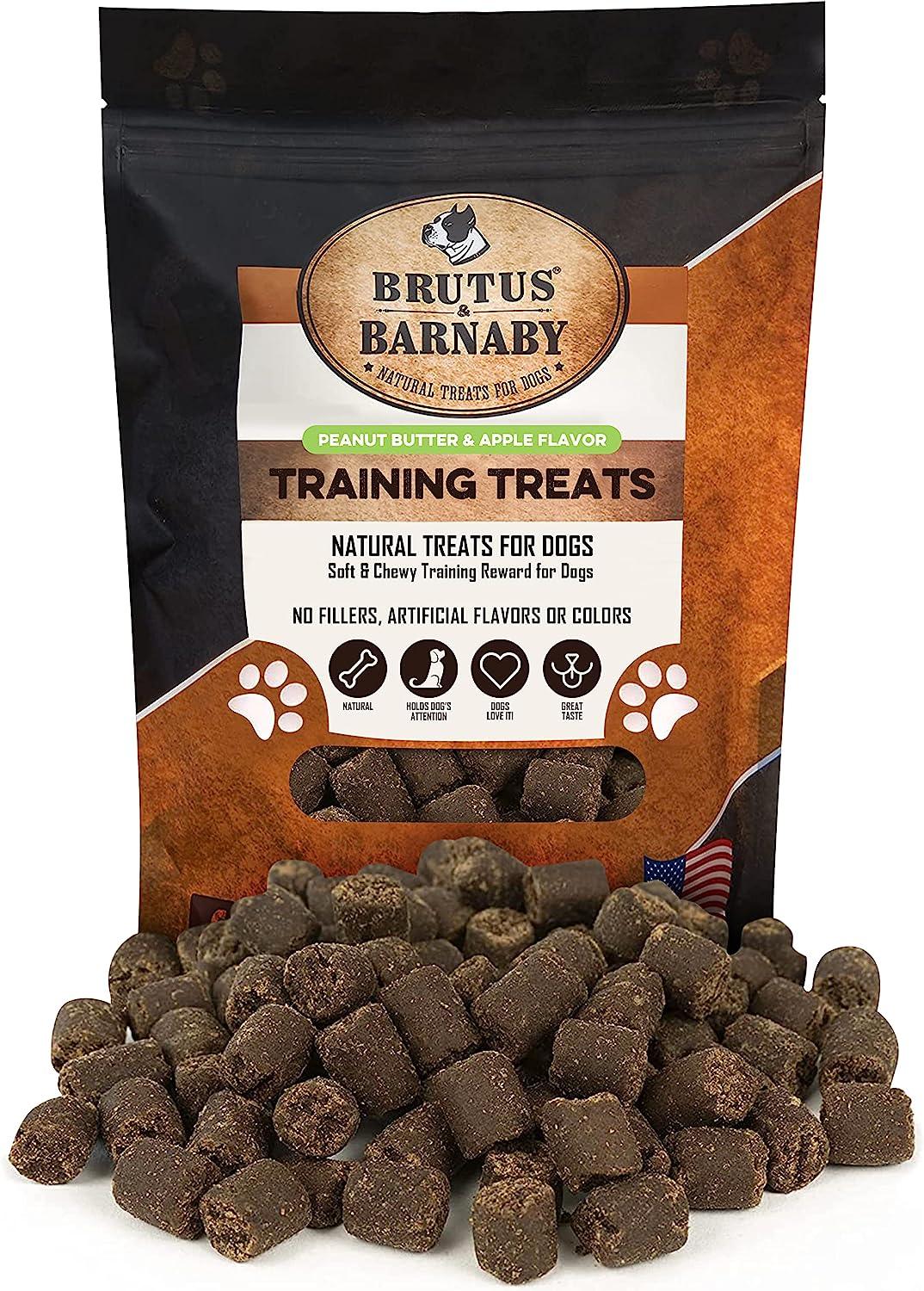
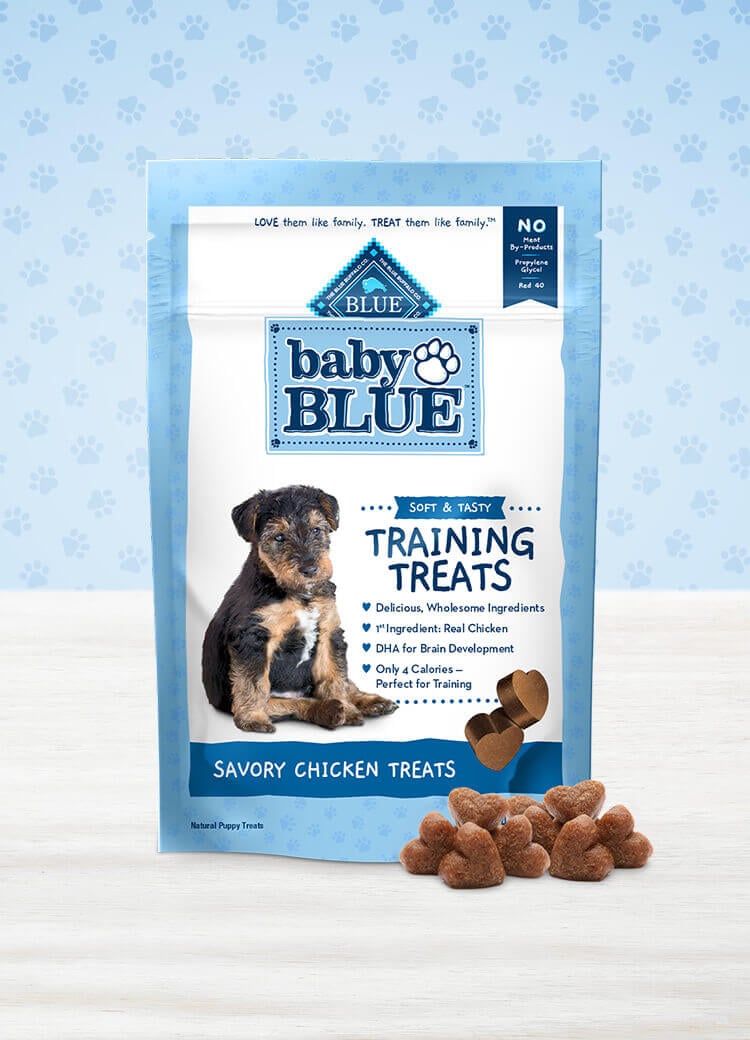
Not all treats are equal when it comes to training. Some are too big, others are not tasty enough, and a few may even upset your puppy’s stomach. Here’s what matters:
- Size: Use small, bite-sized pieces. This allows for many repetitions without overfeeding.
- Smell: Puppies respond well to strong-smelling treats.
- Texture: Soft treats are ideal since they are easy to chew and swallow.
- Nutrition: Pick healthy options, especially for frequent training.
Here’s a quick comparison of popular treat options:
| Treat Type | Pros | Cons |
|---|---|---|
| Commercial puppy treats | Convenient, tasty, many flavors | Can be expensive, sometimes high in calories |
| Cooked chicken pieces | Healthy, high value for most dogs | Can be messy, needs refrigeration |
| Kibble | Low calorie, easy to handle | Less exciting for picky eaters |
Many trainers suggest using a mix. For easy commands, use kibble; for challenging tasks, use special treats.
Getting Started: Basic Steps
Treat training works best when you follow a simple routine. Here’s how to begin:
- Pick a quiet space with no distractions.
- Have treats ready in your hand or pocket.
- Give a clear command such as “sit” or “come.”
- Wait for the behavior you want.
- Reward instantly when your puppy responds. Timing is everything.
- Use praise along with the treat: “Good dog!”
Repeat 5–10 times per session. Keep sessions short—5 minutes is enough for young puppies. This keeps training fun and your puppy focused.
Teaching Essential Commands
Every puppy should learn a few basic commands for safety and good behavior. Treat training makes this process smoother.
Sit
Hold a treat above your puppy’s nose, then slowly move it back over their head. As their head goes up, their bottom will naturally go down. The moment they sit, say “Sit” and give the treat.
Stay
Ask your puppy to sit. Hold your hand out like a stop sign and say “Stay. ” Take one step back, then return and reward if your puppy stays in place. Increase the distance and duration slowly.
Come
Start with your puppy a short distance away. Say their name and “Come” in a happy voice. When they run to you, reward right away. Always make “come” a positive experience.
Down
Ask your puppy to sit. Hold a treat near their nose, then move it to the floor and out in front. When they lie down, say “Down” and give the treat.
Credit: brutusandbarnaby.com
Using A Reward Schedule
In the early stages, reward every correct response. This is called continuous reinforcement. As your puppy learns, start rewarding only some of the time—this is variable reinforcement. Dogs trained with variable rewards tend to remember commands better.
A table for reward schedules:
| Stage | When to Reward | Goal |
|---|---|---|
| Learning | Every correct response | Build understanding |
| Practicing | Every other time | Reinforce reliability |
| Mastery | Randomly, sometimes just praise | Keep skills strong |
Common Mistakes And How To Avoid Them
Many puppy owners repeat a few mistakes. Watch out for these:
- Poor timing: Rewarding too late confuses your puppy. The treat should come within one second of the behavior.
- Overfeeding: Too many treats can cause weight gain. Break treats into tiny pieces.
- Training too long: Puppies have short attention spans. End before your puppy gets bored.
- Inconsistent commands: Use the same word and tone each time.
- Ignoring distractions: Practice in different places as your puppy improves.
A non-obvious tip: Always start new commands in a quiet place, then add distractions slowly. This helps your puppy succeed step by step.
Credit: www.bluebuffalo.com
When To Fade Out Treats
You don’t want your puppy to only listen when you have food. Once your puppy knows a command, start using treats less often. Switch to praise, petting, or play. For hard tasks or in new places, it’s okay to bring back treats for extra motivation.
Benefits Beyond Obedience
Treat training is not just about teaching tricks. It also helps with:
- Socialization: Rewarding calm behavior around new people, places, and sounds builds confidence.
- Preventing bad habits: Rewarding good choices (like chewing a toy instead of shoes) prevents problems before they start.
- Building trust: Using rewards, not punishment, creates a lifelong bond.
Practical Tips For Busy Owners
- Keep treats handy in a small pouch.
- Train during daily routines (before meals or walks).
- Let family members help so your puppy learns to listen to everyone.
- Use your puppy’s kibble for training to avoid extra calories.
One thing many owners miss: You can use regular meal times as training moments. Ask your puppy for a command before giving each piece of food.
How To Handle Setbacks
Puppies will make mistakes. Stay calm and patient. If your puppy gets distracted or refuses, simply end the session and try again later. Avoid punishment—it only confuses your puppy and harms your relationship.
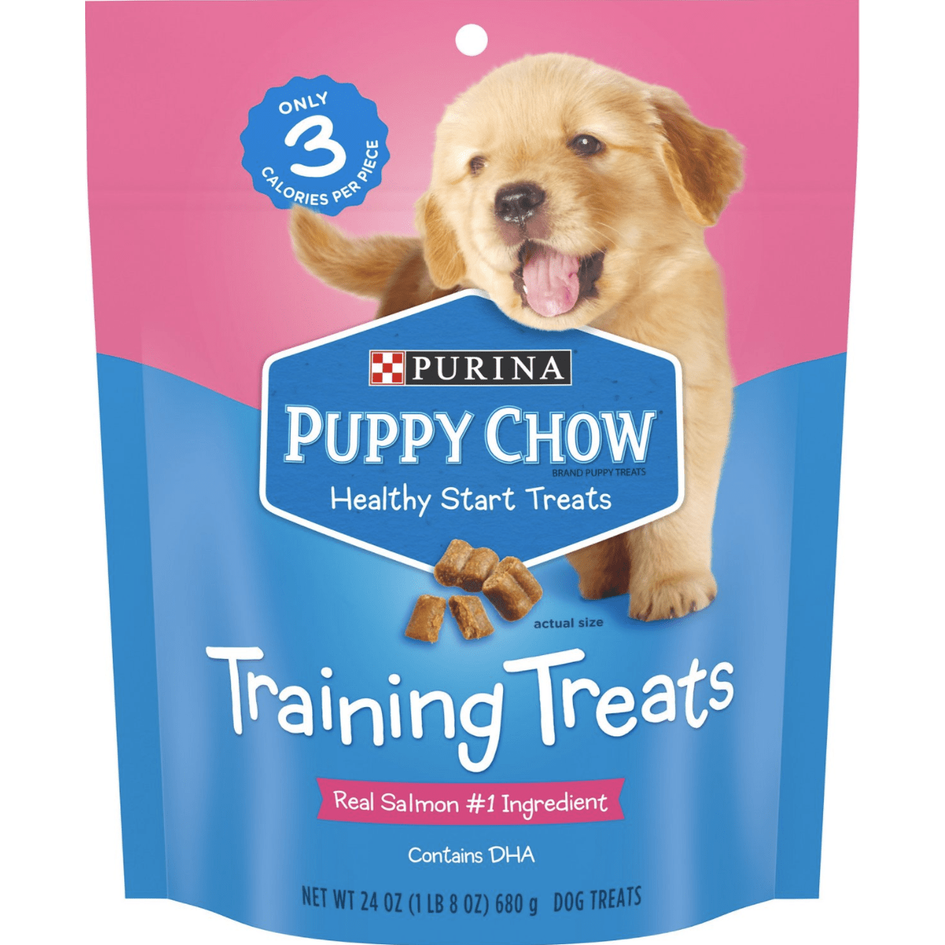
If you feel stuck, consider a professional trainer. Look for someone who uses positive methods. The American Kennel Club has excellent resources on positive reinforcement.
Credit: shop.akc.org
Frequently Asked Questions
How Many Treats Should I Give My Puppy Each Day?
Limit treats to no more than 10% of your puppy’s daily calories. Break treats into small pieces and use kibble when possible to avoid overfeeding.
At What Age Can I Start Treat Training?
You can start as soon as your puppy comes home, usually at 8 weeks. Keep sessions short and fun to match your puppy’s short attention span.
What If My Puppy Is Not Food-motivated?
Try higher-value treats like cheese or cooked chicken. You can also use toys or play as rewards if your puppy prefers them.
Can Treat Training Cause My Puppy To Beg?
Treat training does not encourage begging if you only give treats for specific behaviors and not from your plate or at the table.
How Long Does It Take For A Puppy To Learn With Treat Training?
Most puppies learn basic commands within a few days to weeks. Consistency and short, daily practice sessions are key for fast progress.
Treat training is a proven way to teach your puppy while making learning enjoyable. With patience, the right treats, and regular practice, you’ll raise a well-mannered dog and strengthen your bond for life.