Choosing the best cat food for your indoor cat isn’t just about filling the bowl. It’s about giving your furry friend the right nutrients to keep them healthy, happy, and full of energy.
You want to make sure your cat gets everything they need, without extra fillers or ingredients that might cause problems. But with so many options on the market, how do you know which one is truly best? Keep reading, and you’ll discover simple, effective tips to find the perfect food that suits your indoor cat’s unique needs.
Your cat’s well-being starts with what’s in their bowl—let’s make it the best choice together.
Indoor Cats’ Nutritional Needs
Indoor cats have different nutritional needs than outdoor cats. They move less and often gain weight if not fed properly. Their diet must support a healthy weight and provide all essential nutrients. Proper nutrition keeps indoor cats active and prevents health problems.
Calorie Control
Indoor cats need fewer calories than outdoor cats. Too many calories can cause obesity and related diseases. Feeding the right amount helps maintain a healthy weight. Portion control and calorie count are important factors in their diet.
Essential Nutrients
Indoor cats require a balanced mix of proteins, fats, and vitamins. Protein supports muscle health and energy. Taurine, an amino acid, is vital for heart and eye health. Vitamins and minerals keep their immune system strong and bones healthy.
Hydration Importance
Indoor cats often drink less water. Low water intake can cause urinary problems and kidney issues. Wet cat food helps increase hydration. Fresh water should always be available to keep cats well hydrated.
Types Of Cat Food
Choosing the right food for indoor cats is important for their health. Cats need good nutrition to stay active and happy. Different types of cat food offer various benefits. Understanding these types helps you pick the best option for your cat.
Dry Food Benefits
Dry cat food is easy to store and serve. It helps keep your cat’s teeth clean by reducing plaque. Dry food is usually more affordable than other types. It has a longer shelf life once opened. Cats often enjoy the crunchy texture of dry food.
Wet Food Advantages
Wet cat food contains more water, which helps with hydration. It is softer and easier to chew for older cats. Wet food often smells stronger, attracting picky eaters. It provides a higher protein level in many cases. This food type can reduce the risk of urinary problems.
Raw And Homemade Options
Raw and homemade foods offer fresh ingredients for your cat. You control what goes into each meal. This option suits cats with allergies or special diets. Preparing food at home requires careful balance to meet nutrition needs. Always consult a vet before starting raw or homemade diets.
Key Ingredients To Look For
Choosing the right food for indoor cats needs attention to key ingredients. These ingredients support their health and energy. Indoor cats have different needs than outdoor cats. Their activity levels are lower, so their diet must match.
Focus on ingredients that help maintain weight and keep them active. Good nutrition prevents common health problems like obesity and hairballs. Here are the main ingredients to consider for indoor cat food.
High-quality Proteins
Proteins build strong muscles and support overall health. Look for animal-based proteins like chicken, turkey, or fish. These proteins are easier for cats to digest and absorb. Avoid foods with too many fillers or plant-based proteins. Cats need real meat to stay healthy and energetic.
Limited Carbohydrates
Indoor cats need fewer carbohydrates than outdoor cats. Too many carbs can lead to weight gain and health issues. Choose foods with low grain or grain-free options. Carbohydrates should come from natural sources like sweet potatoes. This helps keep their weight in control and energy steady.
Natural Additives And Supplements
Natural additives support digestion, skin, and coat health. Ingredients like fiber help reduce hairballs and improve digestion. Omega-3 and omega-6 fatty acids keep the skin soft and the coat shiny. Vitamins and minerals boost the immune system and overall well-being. These supplements make a big difference in your cat’s daily health.
Top Healthy Cat Food Brands
Choosing the right food helps keep indoor cats healthy and happy. Good nutrition supports their energy, weight, and fur. Top cat food brands offer balanced meals with quality ingredients. They make feeding your indoor cat easier and better.
Premium Commercial Brands
Premium brands focus on natural and high-quality ingredients. They use real meat, vitamins, and minerals to support cats’ health. These foods often have fewer fillers and artificial additives. Brands like Blue Buffalo and Wellness provide formulas tailored for indoor cats. These options help maintain ideal weight and digestive health.
Budget-friendly Choices
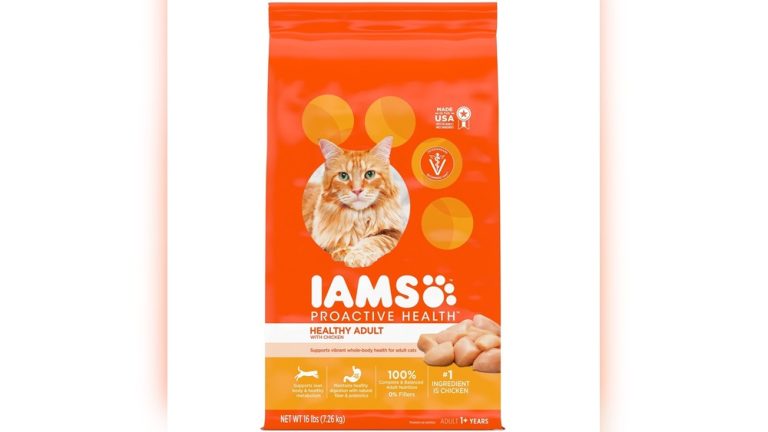
Budget-friendly brands offer good nutrition at lower costs. They balance protein, fats, and carbs to meet cats’ needs. Brands such as Purina and Iams create affordable indoor cat foods. These products still provide essential nutrients for a healthy cat. Perfect for pet owners on a budget.
Specialty Formulas For Indoor Cats
Specialty formulas address specific needs of indoor cats. They control hairballs, weight, and urinary health. Some brands include added fiber and moisture for better digestion. Hill’s Science Diet and Royal Canin offer targeted indoor cat recipes. These foods support cats’ unique lifestyle and health concerns.
Feeding Tips For Indoor Cats
Feeding indoor cats requires special care to keep them healthy and happy. Indoor cats often move less than outdoor cats. They need the right food and feeding habits. Good feeding habits help control weight and improve energy. Below are some important tips to feed your indoor cat well.
Portion Control
Give your cat the right amount of food each day. Too much food leads to weight gain. Use a measuring cup to serve precise portions. Check your cat’s weight regularly to adjust food amount. Follow your vet’s advice for portion sizes based on age and activity.
Feeding Frequency
Feed your cat small meals multiple times a day. Two to three meals are ideal for most indoor cats. This helps keep their energy steady throughout the day. Avoid leaving food out all the time. Scheduled feeding prevents overeating and boredom.
Encouraging Activity And Hydration
Encourage your cat to move and drink water often. Play with toys that mimic hunting to boost activity. Use puzzle feeders to make eating fun and active. Provide fresh water in several places around your home. Proper hydration supports digestion and overall health.
Common Health Issues Indoor Cats Face
Indoor cats face unique health challenges. They live in a controlled environment with less exercise. This lifestyle affects their health in several ways. Knowing common health issues helps you choose the best cat food. Proper nutrition supports their well-being and prevents many problems.
Obesity Risks
Indoor cats move less than outdoor cats. This low activity can lead to weight gain. Obesity causes joint pain and breathing problems. It also increases the risk of diabetes. Feeding a balanced diet with controlled calories helps manage weight. Portion control and regular feeding times matter too.
Urinary Tract Health
Indoor cats often drink less water. This can cause urinary tract problems. These issues include infections and bladder stones. A diet with proper moisture content supports urinary health. Wet food or adding water to dry food helps. Foods rich in specific minerals prevent crystal formation.
Dental Care
Dental problems are common in indoor cats. Plaque and tartar build-up cause gum disease. This leads to pain and bad breath. Some cat foods are designed to reduce plaque. Crunchy kibble can clean teeth during chewing. Regular dental check-ups and brushing are important too.
Frequently Asked Questions
What Nutrients Are Essential In Indoor Cat Food?
Indoor cat food needs high protein, low fat, and fiber. Protein supports muscles, fiber aids digestion, and low fat prevents obesity. Taurine and vitamins are vital for overall health. Balanced nutrition keeps indoor cats active and healthy.
How To Choose The Best Dry Or Wet Cat Food?
Choose based on your cat’s preferences and health needs. Wet food hydrates and aids urinary health. Dry food supports dental care and is convenient. Look for high-quality ingredients and avoid fillers or artificial additives.
Can Indoor Cats Eat Grain-free Cat Food?
Grain-free cat food is suitable if your cat has allergies. It often contains higher protein and fewer carbs. However, consult your vet before switching diets. Not all cats need grain-free food; balance and quality matter most.
How Often Should I Feed My Indoor Cat?
Feed indoor cats two to three small meals daily. Portion control prevents obesity and digestive issues. Consistent feeding times help maintain metabolism and energy levels. Always provide fresh water alongside meals.
Conclusion
Choosing the best cat food for indoor cats helps keep them healthy and happy. Focus on foods with balanced nutrients and low calories. Cats indoors need fewer calories but plenty of vitamins and protein. Always check ingredients and avoid fillers or artificial additives.
Fresh water should be available all the time. Remember, a good diet supports your cat’s energy and weight. Small changes can make a big difference in their life. Keep your cat’s needs in mind and choose wisely for long-term health.