Dogs are curious, intelligent animals. Just like people, they need more than just physical exercise—they also need to keep their minds busy. Without enough mental stimulation, dogs can develop bad habits like chewing furniture, barking too much, or digging in the yard.
Giving your dog the right toys can help prevent boredom, boost their mood, and even make training easier. In this article, you’ll discover the best types of toys for mental stimulation, how they work, and what you should know before buying them.
Why Mental Stimulation Matters For Dogs
Mental exercise is as important as physical play. Dogs that use their brains regularly are less likely to show stress or anxiety. Studies show that problem-solving toys can even slow down cognitive decline in older dogs. According to the American Kennel Club, mentally stimulated dogs are more relaxed and less destructive at home.
Some breeds—like Border Collies, Poodles, and German Shepherds—need extra mental challenges. But every dog, no matter the breed, benefits from toys that make them think.
Types Of Toys For Mental Stimulation
There are many kinds of toys designed to challenge your dog’s mind. Here are the most popular and effective ones:
1. Puzzle Toys
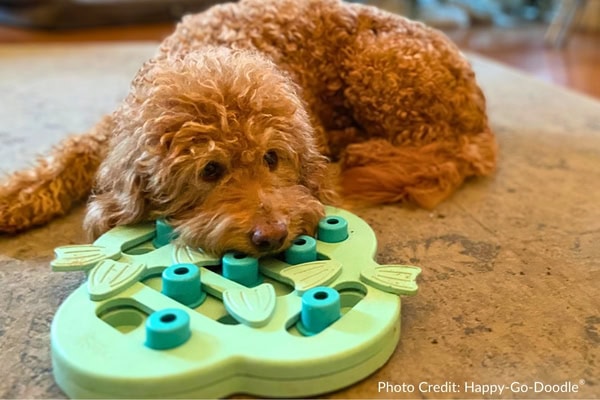
Puzzle toys require dogs to solve a problem to get a reward, usually a treat. These toys come in different difficulty levels, so you can start easy and move up as your dog gets smarter.
| Puzzle Toy | Difficulty Level | Best For |
|---|---|---|
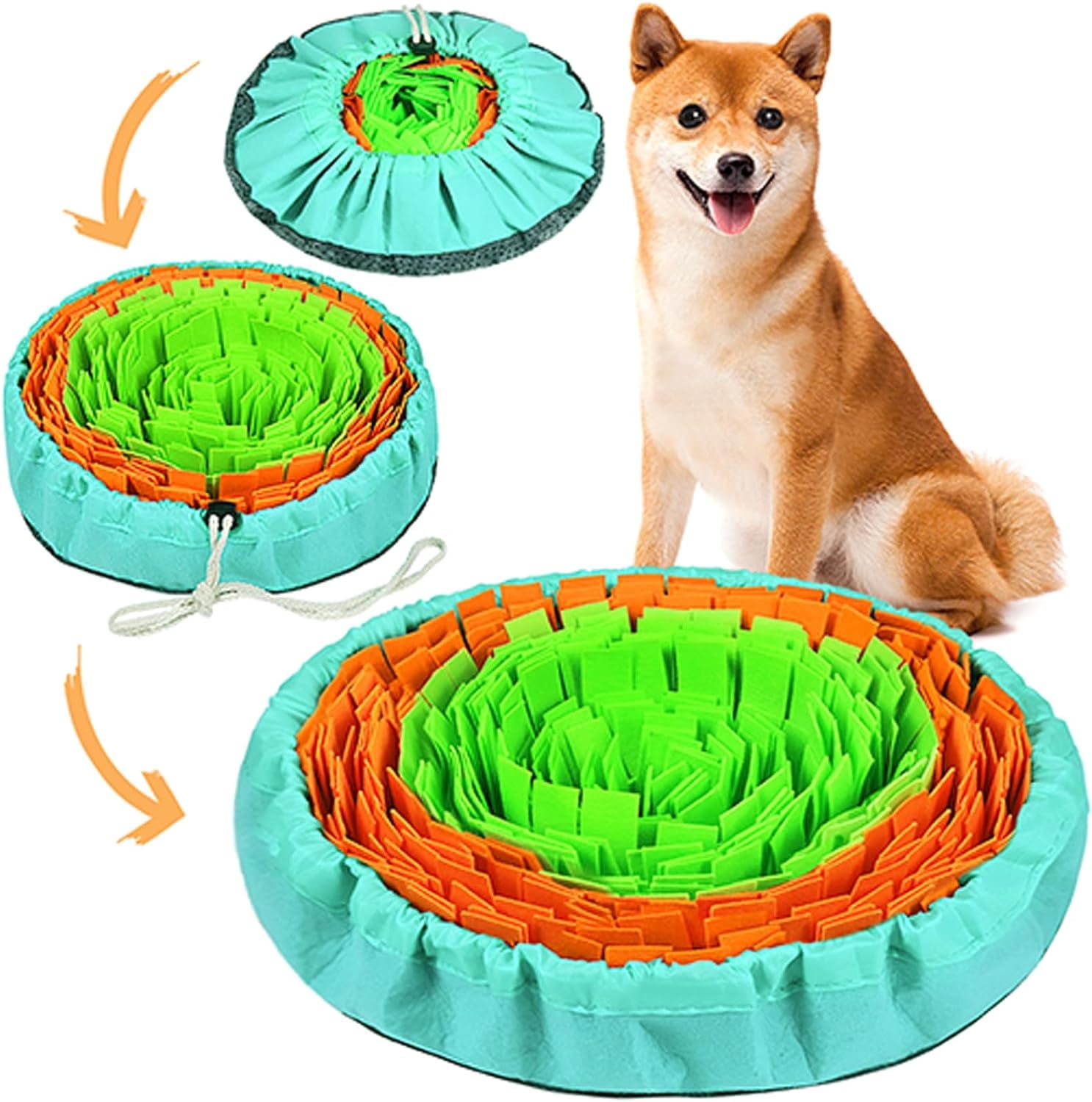
| Snuffle Mat | Easy | Puppies, seniors |
| Nina Ottosson Brick | Medium | Most adults |
| Twist ‘n Treat | Hard | Smart, active dogs |
Non-obvious tip: Change the treats inside regularly to keep the puzzle interesting.
2. Treat-dispensing Balls
Treat balls roll around and drop treats as your dog plays. This keeps your pet moving while also making them think about how to get the snacks out.
Example: The Kong Wobbler is a classic. Fill it with kibble or small treats, and your dog has to push and roll it to make the treats fall out. For dogs who eat too fast, these toys also slow down mealtime.
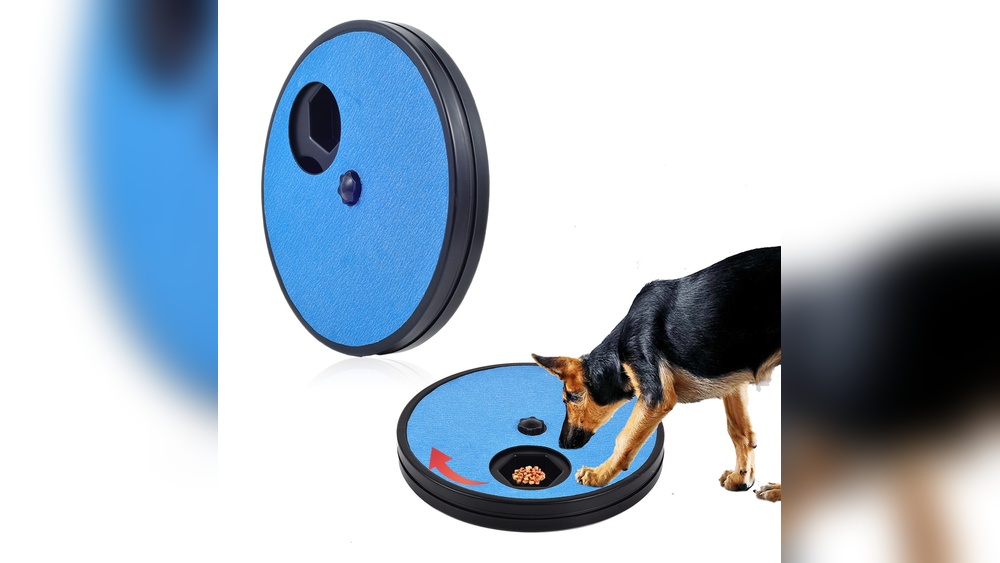
3. Interactive Electronic Toys
Some toys use lights, sounds, or movement to grab your dog’s attention. These high-tech toys react to your dog’s actions, so playtime always feels new.
Example: The CleverPet Hub uses lights and buttons. When your dog presses the right button, they get a treat. This toy can be programmed with different challenges, keeping dogs busy for hours.
Hidden insight: Not every dog will enjoy electronic toys—some may get frustrated if rewards come too slowly.
4. Scent Work And Nose Games
Dogs have a powerful sense of smell. Toys that hide treats or objects encourage dogs to use their noses. Snuffle mats, hide-and-seek plush toys, and simple homemade games are all great options.
Try hiding your dog’s favorite toy in a pile of blankets or under cups. This helps develop their natural hunting instincts and can calm anxious dogs.
5. Chew And Tug Toys With A Twist
Some chew toys combine durability with surprise features, like hidden treats or unusual textures. Tug toys with built-in squeakers or knots can also challenge your dog’s brain during play.
Chew toys like the West Paw Toppl can be stuffed with food, making them more engaging than regular bones.
Credit: smartgecko.academy
How To Choose The Best Mental Stimulation Toy
Not all toys are right for every dog. Here’s what to consider when picking a toy:
- Size and strength: Choose a toy that matches your dog’s size and chewing power.
- Skill level: Start easy if your dog is new to puzzles, then increase the difficulty.
- Material safety: Look for non-toxic, durable materials to avoid choking hazards.
- Washability: Toys that hold food should be easy to clean to prevent bacteria.
- Supervision: Some toys need you to watch your dog, especially at first.
Here’s a quick comparison of popular types:
| Toy Type | Main Benefit | Best For |
|---|---|---|
| Puzzle Toys | Problem-solving | Dogs who love challenges |
| Treat Balls | Physical + mental exercise | High-energy dogs |
| Scent Toys | Uses natural instincts | Older or anxious dogs |
Tips For Getting The Most From Stimulation Toys
- Rotate toys: Don’t give your dog all their toys at once. Swap them every few days to keep things fresh.
- Pair with training: Use toys as rewards during training sessions for better focus.
- Monitor play: Watch your dog to make sure the toy is safe and challenging—but not too frustrating.
- Mix up rewards: Sometimes use treats, other times use favorite toys or praise.
- Start simple: Too much challenge at first can make your dog give up.
A common mistake is thinking one toy will do everything. Dogs benefit most from a variety of toys and activities.
Credit: toegrips.com
Signs Your Dog Needs More Mental Stimulation
- Chewing household items
- Barking or whining often
- Digging holes in the yard
- Restlessness, pacing, or licking themselves
- Seeming bored or uninterested in usual activities
If you notice these signs, try adding a new puzzle or scent game.
The Science Behind Dog Brain Games
Research shows that dogs who play with problem-solving toys have lower stress hormones and are less likely to develop canine cognitive dysfunction as they age. Mental stimulation can also help dogs recover from injuries by keeping their minds busy when physical exercise is limited. For more on the science of animal enrichment, see the Wikipedia article on environmental enrichment.
Credit: www.osons-a-stmalo.com
Frequently Asked Questions
How Often Should I Give My Dog Mental Stimulation Toys?
Most dogs benefit from at least 15-30 minutes of brain games every day. Rotate toys to keep things interesting.
Are Puzzle Toys Safe For All Dogs?
Generally, yes. However, always supervise at first, especially with puppies or strong chewers. Choose the right size and check for any small parts.
What’s The Best Toy For A Senior Dog?
Soft, scent-based toys or gentle puzzles are best for older dogs. These engage their mind without needing too much physical effort.
Can Mental Stimulation Toys Replace Daily Walks?
No. Toys for mental stimulation are important, but dogs still need regular walks for physical health and socialization.
My Dog Gets Frustrated With Puzzle Toys. What Should I Do?
Start with easy puzzles and help your dog at first. Use high-value treats as motivation. Gradually increase difficulty as your dog gets more confident.
Keeping your dog’s mind active is one of the best gifts you can give them. A mix of mental stimulation toys, training, and quality time will keep your dog happy, healthy, and well-behaved. Try different toys to find what your dog loves most, and you’ll both enjoy a more rewarding life together.