Cats love treats, but not all snacks are safe or healthy for your feline friend. Choosing good treats for cats can improve their health, bring joy, and even strengthen your bond. With so many options on the market, it’s easy to get confused.
This guide will show you the best treats, what to avoid, and how to use treats wisely. You’ll also learn some surprising insights that many cat owners overlook.
Why Treats Matter For Cats
Treats are more than just tasty bites. They can serve as tools for training, help with dental care, and provide extra nutrients. However, giving the wrong treats or too many can lead to weight gain and health issues. Cats are obligate carnivores, meaning they need animal protein. Treats should never replace a balanced diet but can be used to reward or comfort your cat.
Types Of Good Treats For Cats
Knowing which treats are good for your cat makes a huge difference. Here are some top choices, each with its benefits.
1. Freeze-dried Meat Treats
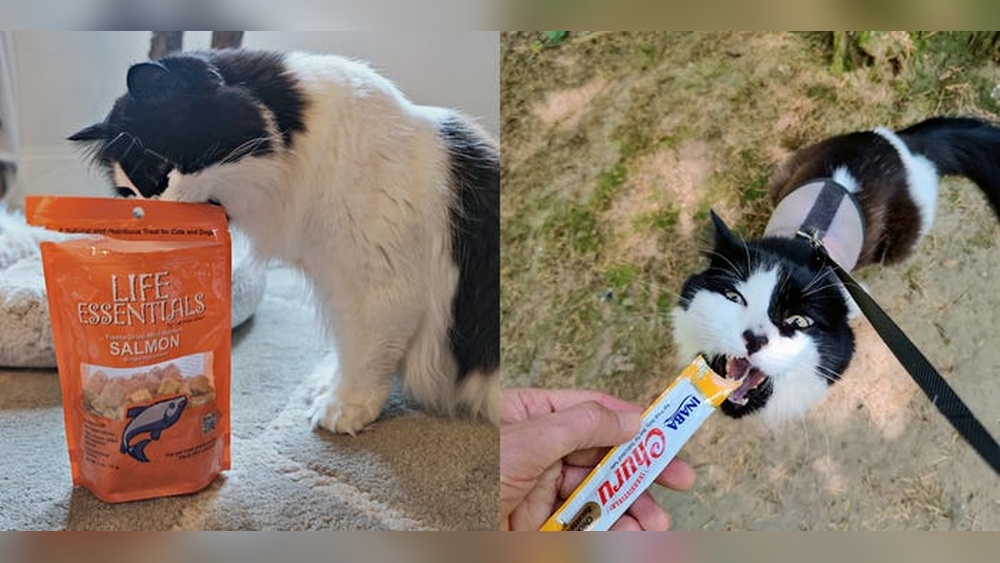
Freeze-dried chicken or salmon is one of the healthiest options. These treats contain only one ingredient, so you know what your cat is eating. They’re high in protein and have no additives.
2. Cooked Meat Pieces
Small pieces of plain cooked chicken, turkey, or beef are excellent. Make sure the meat is unseasoned and cooked without oil or spices. Cats love the taste, and you control the ingredients.
3. Commercial Cat Treats
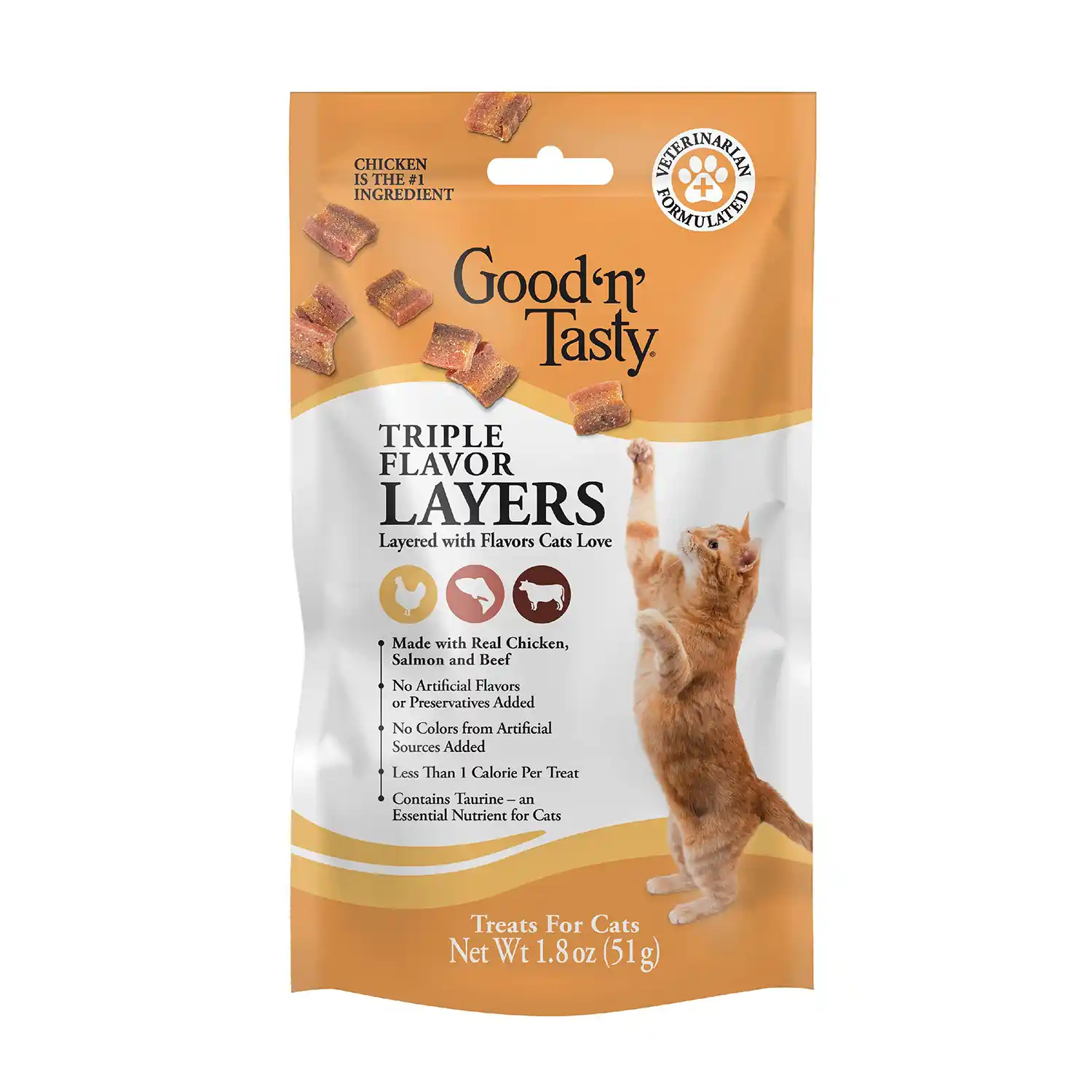
Many brands offer treats designed specifically for cats. Look for those with high protein and low carbohydrates. Avoid treats with artificial colors or too many fillers.
4. Dental Treats
Some treats are made to clean teeth and reduce tartar. Dental treats can improve your cat’s breath and oral health. However, these should not be the only dental care you provide.
5. Catnip-based Treats
If your cat enjoys catnip, you can find treats that contain small amounts. Catnip can make treat time more exciting, but not all cats react to it.
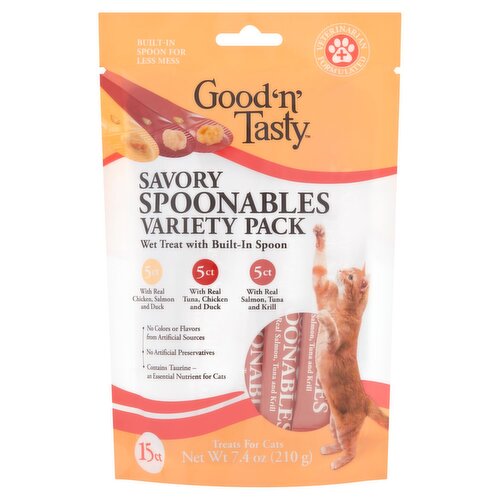
6. Lickable Treats
Creamy, lickable treats in tubes are popular. These are soft and easy to eat, making them great for older cats or those with dental issues. Choose options with quality protein and minimal additives.
7. Dehydrated Fish
Small pieces of dehydrated fish such as tuna or whitefish make a tasty and healthy snack. They are usually rich in omega-3 fatty acids, which are good for your cat’s skin and coat.
8. Functional Treats
Some treats are made with added vitamins or supplements. You can find treats with hairball control, joint support, or calming ingredients. Always check with your vet before using these regularly.
9. Homemade Treats
You can make simple treats at home using egg, meat, or fish. This allows you to control the ingredients and avoid preservatives. Make sure all ingredients are safe for cats.
10. Limited Ingredient Treats
For cats with allergies, limited ingredient treats can help. These have fewer components, making it easier to avoid triggers.
Treats To Avoid
Not every treat is safe. Some human foods and pet snacks can harm your cat.
- Chocolate: Toxic to cats
- Onion and garlic: Can damage red blood cells
- Dairy: Many cats are lactose intolerant
- Dog treats: Not made for cats’ nutritional needs
- Raw fish or meat: Risk of bacteria and parasites
Even some popular cat treats contain artificial flavors, excess salt, or sugar. Always read the label.
How To Use Treats Wisely
Good treats for cats can be helpful, but moderation is important. Treats should not be more than 10% of your cat’s daily calories. For an average cat, that’s about 20-30 calories per day. Overfeeding can lead to obesity and other health problems.
Here’s a comparison of common treat types and their average calorie content:
| Treat Type | Calories per Treat | Main Benefit |
|---|---|---|
| Freeze-dried chicken | 2 | High protein |
| Lickable treats | 7 | Hydration & taste |
| Dental treats | 1 | Oral health |
Pro tip: Break larger treats into smaller pieces to stretch out treat time and avoid giving too many calories.
Credit: www.goodnfunchews.com
How To Choose The Best Treats
When choosing treats, look for:
- High animal protein (like chicken, fish, or turkey)
- No artificial colors or flavors
- Low carbohydrates
- Simple ingredients
Here’s a quick comparison between good and poor treat options:
| Good Treats | Poor Treats |
|---|---|
| Freeze-dried meat | High-sugar snacks |
| Plain cooked chicken | Treats with artificial colors |
| Dental treats | Dairy-based treats |
| Lickable, protein-rich tubes | Treats with fillers/corn |
Non-obvious insight: Many cat owners miss that “grain-free” does not always mean better. Some grain-free treats use potatoes or peas, which can still be high in carbs. Always look at the first few ingredients listed.
When To Give Treats
Treats are most effective when given at the right times:
- As a reward for good behavior or training
- To help with grooming or taking medicine
- During bonding or playtime
- As a distraction for stressful situations (like vet visits)
Avoid giving treats when your cat begs or acts out, as this can reinforce bad behavior.
Credit: www.thefreshgrocer.com
Special Considerations
Some cats need extra care with treats:
- Senior cats may need softer or lickable treats.
- Kittens require treats made for their age.
- Overweight cats benefit from low-calorie treats or treat alternatives, like pieces of cooked carrot or green bean.
- Cats with allergies require limited ingredient treats and careful label reading.
Another overlooked tip: Rotate treat types to keep your cat interested and reduce the risk of developing food sensitivities.
Frequently Asked Questions
What Are The Healthiest Cat Treats?
The healthiest treats are single-ingredient options like freeze-dried chicken, turkey, or fish. These are high in protein and have no additives or fillers.
How Many Treats Can I Give My Cat Per Day?
Treats should make up no more than 10% of daily calories. For most cats, this means about 2-4 treats a day, depending on treat size and your cat’s weight.
Can I Give My Cat Homemade Treats?
Yes, but use safe ingredients only. Avoid onion, garlic, salt, and dairy. Plain cooked meat or fish is a good choice for homemade treats.
Are Dental Treats Effective For Cats?
Dental treats can help reduce tartar and freshen breath, but they are not a replacement for regular dental care. Annual vet checkups and tooth brushing are still important.
Where Can I Find More Information About Cat Nutrition?
A reliable resource is the ASPCA Cat Nutrition Tips, which offers expert advice on feeding cats.
Giving your cat the right treats can be both fun and healthy. Choose wisely, pay attention to ingredients, and use treats as a way to support your cat’s well-being and happiness. Treat time can become a special part of your daily routine—one your cat will look forward to every day.
Credit: forevervets.com