Dog training is easier and more enjoyable when you use the right treats. Many dogs will do almost anything for a bite of something tasty. But not every snack is good for training. The best training treats are small, healthy, and easy for your dog to chew quickly.
Choosing wisely can help you teach your dog faster, avoid health problems, and build a strong bond. Let’s dive into what makes a good training treat and which options work best for different dogs and situations.
What Makes A Good Training Treat?
Not all dog treats are the same. When picking treats for training, consider these important points:
- Size: Treats should be small—about the size of a pea. Dogs need to eat them fast so they can focus on learning.
- Texture: Soft treats are best. Dogs can chew them quickly, unlike hard biscuits.
- Smell: Strong-smelling treats often grab your dog’s attention better.
- Calories: Training can mean lots of treats. Low-calorie options help prevent weight gain.
- Ingredients: Look for treats with simple, healthy ingredients. Avoid artificial colors and too much salt or sugar.
A common mistake is using large or crunchy snacks that take too long to eat. This can break your dog’s focus and slow down training.
Best Store-bought Training Treats
Many pet stores offer treats made just for training. Here are some popular options that trainers and owners recommend:
| Treat | Main Feature | Calories per Treat |
|---|---|---|
| Blue Buffalo Blue Bits | Soft, healthy, real meat | About 4 kcal |
| Wellness Soft Puppy Bites | Grain-free, easy to chew | 3 kcal |
| Charlee Bear Dog Treats | Crunchy but tiny, only 3 ingredients | 3 kcal |
| Zuke’s Mini Naturals | Moist, many flavors, wheat-free | 2-3 kcal |
| Natural Balance Mini Rewards | Soft, low-calorie, variety of proteins | <1 kcal |
These treats are easy to find and work for most dogs. Remember, even store-bought treats should be given in small amounts to avoid too many calories.
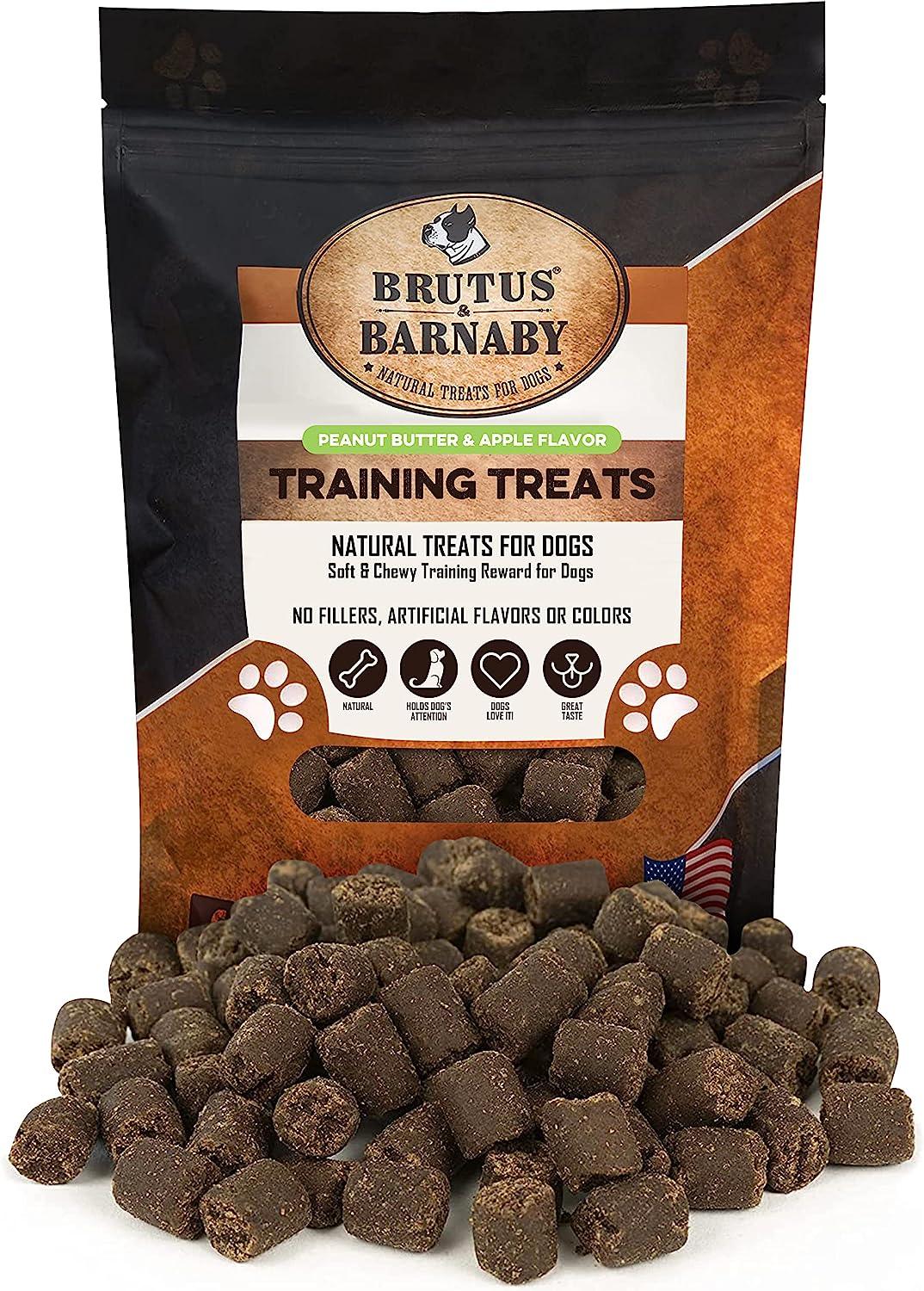
Credit: brutusandbarnaby.com
Healthy Homemade Treat Ideas
Making treats at home means you control what goes in them. Here are a few simple recipes and snack ideas:
- Cooked Chicken: Boil skinless, boneless chicken breast. Cut it into tiny pieces. Dogs love the smell and taste.
- Cheese Cubes: Low-fat cheese (like mozzarella) works well. Cut into small cubes. Use sparingly, as cheese can be rich.
- Carrot Coins: Slice carrots into thin rounds. These are crunchy and low in calories, but only use for dogs that don’t need soft treats.
- Peanut Butter Drops: Use unsalted, xylitol-free peanut butter. Place small dots on parchment paper and freeze until firm.
- Sweet Potato Slices: Slice thin, bake at low heat until chewy. Sweet potatoes are nutritious and tasty.
Homemade treats can be a great choice for dogs with allergies or sensitive stomachs. Always check with your vet if you’re unsure about introducing a new food.
Training Treats For Special Diets
Some dogs have unique needs. Maybe they’re overweight, allergic to common proteins, or need grain-free snacks. Here’s a quick look at treats for special cases:
| Diet Need | Good Treat Options |
|---|---|
| Weight control | Green beans, air-popped popcorn (plain), freeze-dried liver (tiny pieces) |
| Food allergies | Single-ingredient treats (like duck or salmon), limited ingredient treats, homemade novel protein snacks |
| Grain-free | Meat-based treats, sweet potato chews, cheese |
| Sensitive stomach | Boiled chicken, rice, plain pumpkin (small amounts) |
If your dog has a medical condition, always talk to your vet before trying new treats.
:strip_icc()/sps-ziwi-peak-air-dried-original-series-alisa-healy-10-e51498ebdc2c405f84182bc1b8f5ab17.jpeg)
Credit: www.thesprucepets.com
Choosing Treats For Puppies Vs. Adult Dogs
Puppies and adult dogs have different needs. Puppies may need softer treats because their teeth are still growing. They also need treats with fewer artificial ingredients. For adults, focus more on calorie control and variety.
Many trainers use a mix of treats during a session—something very high-value for difficult tasks and a lower-value treat for easy commands.
When And How To Give Training Treats
Timing is key. Give the treat immediately after your dog does the right thing. This helps your dog connect the action with the reward. Also:
- Use different treats for different situations. For example, use a favorite treat for coming when called.
- Break treats into smaller pieces than you think you need. Even a crumb can be rewarding to a dog.
- As your dog learns, start to use treats less often and mix in praise or play.
A big mistake is rewarding too late or giving treats for no reason. This can confuse your dog and slow progress.
Non-obvious Tips For Using Training Treats
- Mix up the treats: Dogs can get bored if they always get the same flavor. Use a variety of safe treats to keep them excited.
- Watch for allergies: Even popular treats can cause reactions. Signs include itching, ear infections, or stomach upset.
- Use “jackpot” rewards: When your dog does something amazing, give several treats at once. This makes the behavior stronger.
- Keep treats handy: Use a treat pouch so you’re always ready to reward good behavior.
Frequently Asked Questions
What Treats Should I Avoid When Training My Dog?
Avoid treats with artificial sweeteners (especially xylitol), chocolate, grapes, raisins, and too much salt. Also skip anything too big, hard, or greasy.
Can I Use My Dog’s Kibble As Training Treats?
Yes, if your dog loves it and you want to control calories. For harder tasks, use something tastier than kibble to keep your dog motivated.
How Many Training Treats Can I Give My Dog Per Day?
Keep treats to less than 10% of your dog’s daily calories. For most small dogs, this means about 10–20 small treats. Adjust for size, age, and activity.
Are Human Foods Safe To Use As Dog Treats?
Some human foods are safe, like plain cooked meats, carrots, or green beans. Always avoid foods toxic to dogs, and check with your vet if you’re unsure.
What Is The Best Treat For Dogs With Allergies?
Single-ingredient treats, like freeze-dried duck or salmon, are usually safest. You can also make homemade treats using ingredients your dog has eaten safely before. For more on safe foods, check out the ASPCA’s dog food safety guide.
Choosing the right training treats can make a huge difference in your dog’s learning and happiness. Try a few different options, watch your dog’s reaction, and always keep their health in mind. With smart choices, you and your dog will enjoy training together—and see faster results.
Credit: www.businessinsider.com