Dental health is a big part of your dog’s well-being, but many owners overlook it. Dogs can’t brush their teeth, so their mouths easily build up plaque and tartar. Over time, this leads to gum disease, bad breath, and even serious health problems. One simple way to help? Give your dog dental chews. These tasty treats can clean teeth, freshen breath, and even add fun to your pet’s day. But not all chews are equal. Let’s dive into what makes a good dental chew, how to choose the right one, and which options are best for your dog.
Why Dental Chews Matter
Dogs use their mouths for everything—eating, playing, and exploring. When their teeth are not healthy, it affects their mood and even their organs. Dental chews help by:
- Scrubbing away plaque as dogs chew
- Reducing tartar buildup
- Freshening breath
- Giving mental stimulation and enjoyment
According to the American Veterinary Dental College, more than 80% of dogs show signs of dental disease by age three. Dental chews are not a full replacement for brushing, but they’re a smart way to support your dog’s daily dental care.
What Makes A Good Dental Chew?
Choosing the right chew can be confusing. Here’s what really matters:
Safety First
The chew must not be too hard. Very hard chews can break teeth or cause choking. Look for chews that bend slightly when pressed.
Effectiveness
A good dental chew should carry the VOHC seal (Veterinary Oral Health Council). This means it is proven to reduce plaque or tartar.
Ingredients
Natural, easy-to-digest ingredients are best. Avoid chews with artificial colors, flavors, or preservatives. Some dogs also have allergies, so check labels.
Size And Shape
The chew should fit your dog’s mouth size. Too small? It can be swallowed whole. Too large? Your dog might lose interest.
Calories
Dental chews are still treats. Make sure to count their calories to avoid overfeeding.
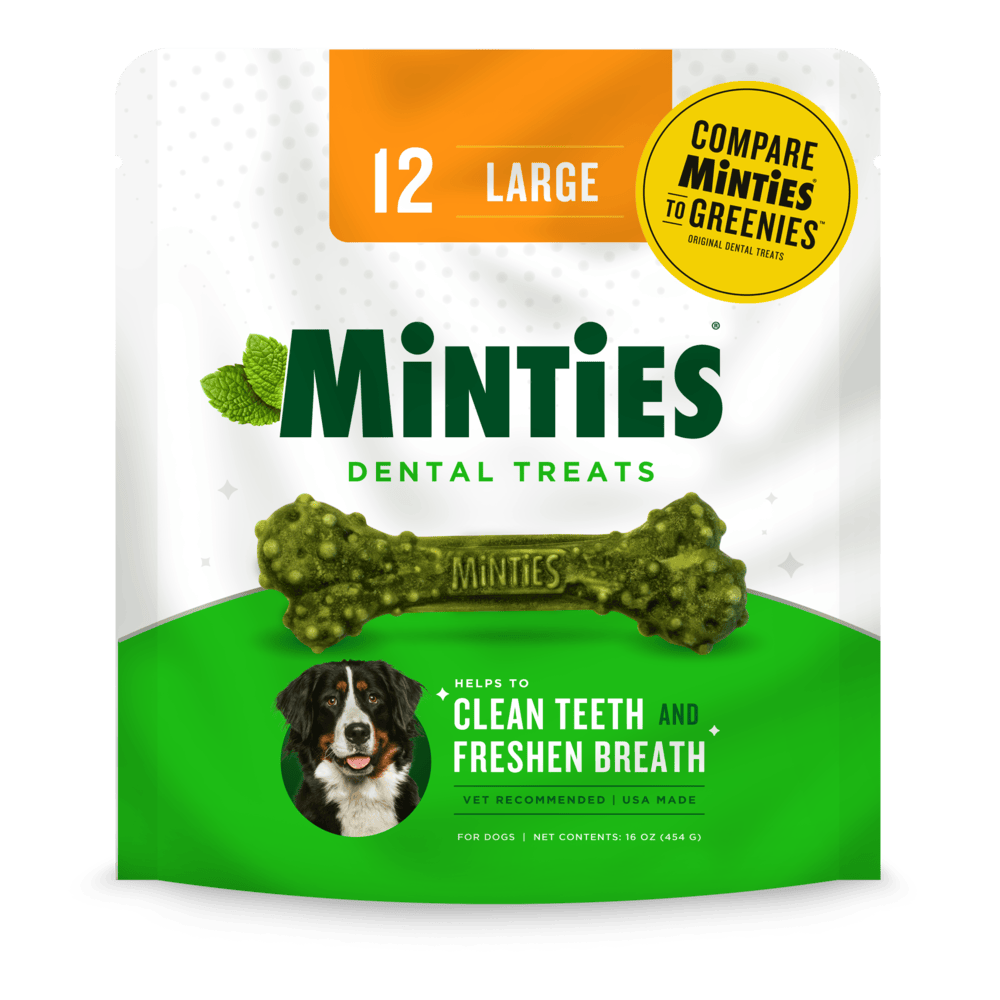
Credit: minties.com
Top Dental Chews For Dogs In 2024
Here’s a closer look at some top-rated options for different needs and preferences.
| Brand | VOHC Approved | Main Ingredient | Chew Texture |
|---|---|---|---|
| Greenies | Yes | Wheat Flour | Flexible |
| Whimzees | Yes | Potato Starch | Firm |
| Virbac C.E.T. | Yes | Beef Hide | Chewy |
| Purina DentaLife | Yes | Wheat Flour | Porous |
| Milk-Bone Brushing Chews | Yes | Wheat Flour | Textured |
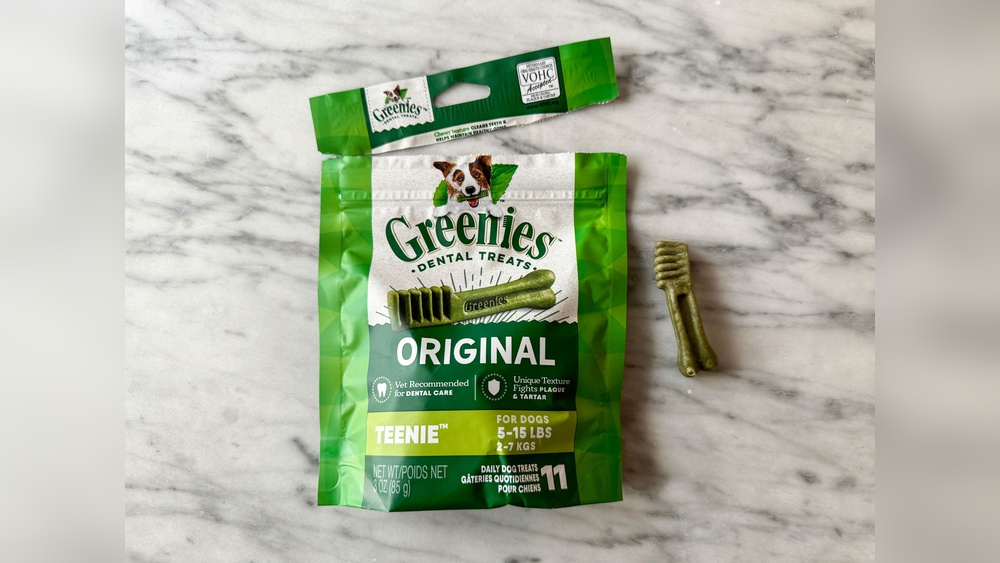
1. Greenies Dental Dog Treats
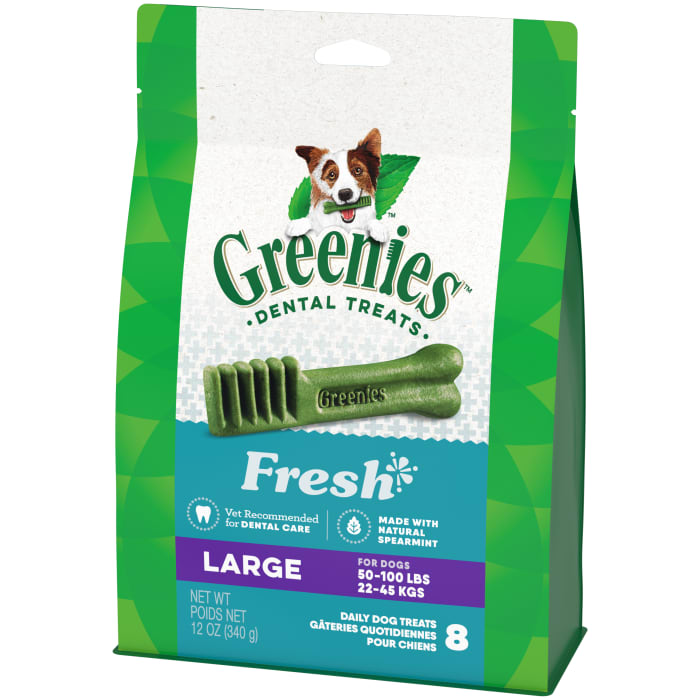
Greenies are a classic favorite. They have a unique texture that cleans down to the gumline. Dogs love the taste, and owners trust the VOHC seal. Greenies come in several sizes for every breed.
2. Whimzees Dental Chews
Made from vegetarian ingredients, Whimzees are a smart choice for dogs with meat allergies. Their fun shapes and firm texture help scrub teeth as your dog chews.
3. Virbac C.e.t. Enzymatic Chews
Virbac chews use enzymes to break down plaque. They’re made from beef hide and work well for dogs who love to chew for a long time.
4. Purina Dentalife Daily Oral Care
DentaLife chews have a porous texture that cleans hard-to-reach back teeth. They’re also low in fat, making them suitable for dogs that need to watch their weight.
5. Milk-bone Brushing Chews
These chews have a bristle-like design to help clean teeth. They’re easy to find in stores and are affordable for daily use.
How To Choose The Right Dental Chew
Picking the best dental chew depends on your dog’s needs. Here’s a quick comparison to help you decide:
| Dog Size | Chew Type | Best Option |
|---|---|---|
| Small | Flexible, easy to hold | Greenies, DentaLife |
| Medium | Firm, textured | Whimzees, Milk-Bone |
| Large | Chewy, long-lasting | Virbac, Greenies Large |
Extra Tips For Choosing
- Always supervise your dog the first time they try a new chew.
- Watch for any signs of choking or stomach upset.
- Store chews in a cool, dry place to keep them fresh.
Are Dental Chews Enough?
Dental chews help a lot, but they are not a magic solution. For best results:
- Brush your dog’s teeth a few times a week.
- Schedule yearly dental checkups with your vet.
- Use chews as part of a routine, not the only step.
Many owners are surprised to learn that even with chews, some dogs still need professional cleanings. Genetics, age, and diet also play a role.
Common Mistakes Owners Make
Many people buy chews without checking the size or ingredients. Here are mistakes to avoid:
- Choosing chews that are too hard, which can crack teeth.
- Giving chews too big or small for your dog’s mouth.
- Ignoring the calorie count, leading to weight gain.
- Believing all chews are safe—some may cause blockages or allergies.
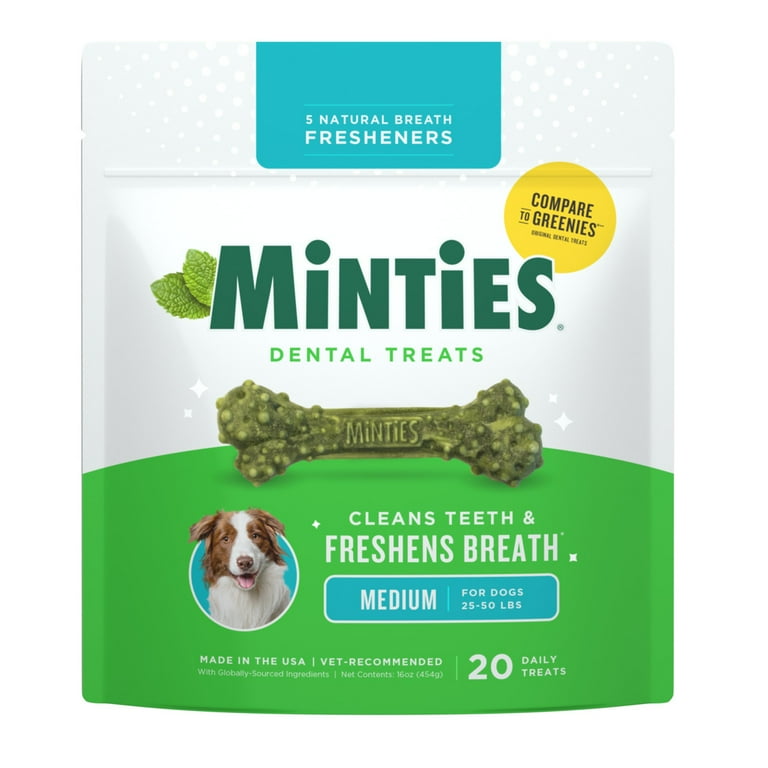
Non-obvious tip: Some dogs chew very fast and swallow large pieces. In these cases, go for softer chews or try dental gels as a safer alternative.
Credit: www.walmart.com
Are Natural Chews Good?
Natural chews like rawhide, bully sticks, and antlers are popular, but they have risks. Hard chews like antlers can break teeth. Bully sticks are high in calories and can cause stomach upset. Always check with your vet before offering these options, and stick with products designed for dental health when possible.
Real Life Example
Maria’s dog, Max, hated tooth brushing. She tried different chews and found that Whimzees worked best. Max’s breath improved, and his next vet visit showed less tartar. It took some trial and error, but the right chew made a big difference.
Credit: www.greenies.com
When To See A Vet
If your dog has:
- Bad breath that doesn’t go away
- Red or bleeding gums
- Trouble eating or chewing
It’s time for a professional check. Dental chews are great, but sometimes a vet cleaning is needed to keep your dog healthy.
Frequently Asked Questions
Are Dental Chews Safe For Puppies?
Most dental chews are made for adult dogs. For puppies, choose products marked “puppy-safe” and always supervise them. Young puppies’ teeth and jaws are still developing.
How Often Should I Give My Dog A Dental Chew?
Most chews are safe for daily use. Follow the package instructions and count chews as part of your dog’s daily treats to avoid extra calories.
Can Dental Chews Replace Brushing?
No, dental chews help but do not replace brushing. Regular brushing and yearly vet checks are still important for best dental health.
What If My Dog Swallows A Large Piece?
If your dog swallows a big piece, watch for choking or stomach upset. If you see vomiting, gagging, or trouble pooping, call your vet right away.
Where Can I Learn More About Dental Health For Dogs?
You can read more from the American Veterinary Dental College at AVDC Dental Care for Pet Owners.
Helping your dog keep a healthy mouth is easier than you think. With the right dental chews and good habits, your dog can enjoy fresh breath and a happier life. Every small step makes a big difference for your best friend.