
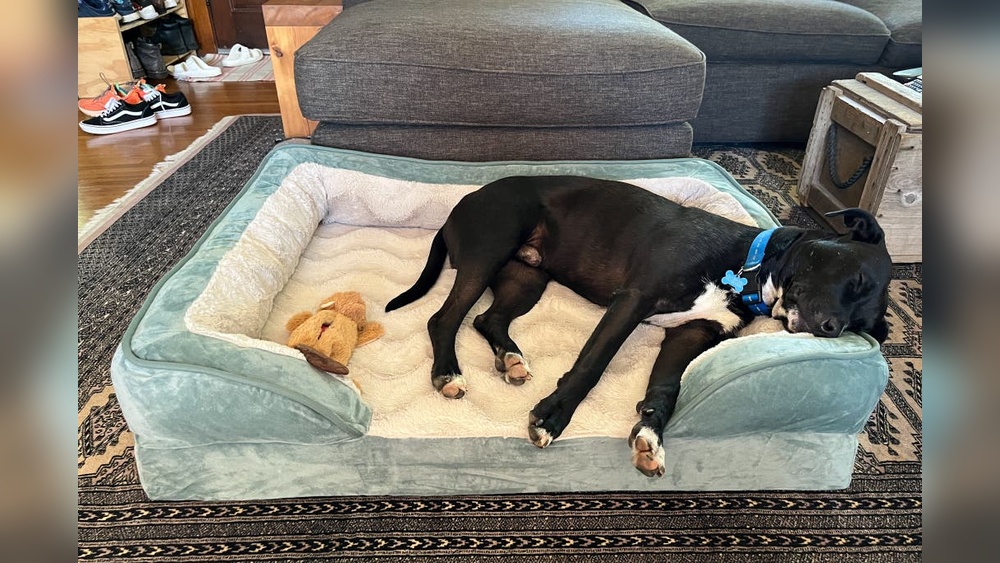
Big dogs deserve a comfortable place to rest, just like any family member. If you have a large breed, you know how important it is to find a dog bed that supports their size, weight, and unique needs. Many owners make the mistake of buying the biggest bed they can find, but not all beds are created equal. The right bed can improve your dog’s health, sleep, and happiness. Choosing wisely can also save you money and frustration in the long run.
Why Big Dogs Need Special Beds
Large dogs put more pressure on their joints and bones. A regular bed may not give enough support. Over time, this can lead to joint pain and even conditions like arthritis. Many big breeds, such as Labradors, German Shepherds, and Great Danes, are also prone to hip and elbow problems. A bed designed for their size offers:
- Extra support for heavy bodies
- Enough space to stretch out
- Materials that keep their shape
- Easy cleaning for more hair and dirt
Ignoring these needs can cause your dog to sleep poorly or even avoid their bed altogether.
What To Look For In Big Dog Dog Beds
Not all large beds are right for every dog. Here are the most important things to consider:
Size And Shape
Measure your dog from nose to tail while they are lying down. Add a few extra inches so they can stretch out. Common shapes include:
- Rectangle beds for dogs who like to sprawl
- Bolster beds for those who like head support
- Round beds for curlers
Material And Durability
Big dogs can be tough on beds. Look for materials like:
- High-density foam for joint support
- Memory foam for older dogs or those with arthritis
- Tough fabric like canvas or heavy-duty polyester
Water-resistant covers are also a smart choice.
Support And Comfort
A thick base is important. Thin beds flatten quickly. Good beds have at least 4 inches of supportive foam. Beds with a layered design can offer both softness and support.
Easy To Clean
Large dogs shed more and sometimes drool or track in dirt. Removable, machine-washable covers make cleaning simple. Some beds have waterproof liners to stop accidents from soaking in.
Non-obvious Tips
- Check bed weight limits. Some “large” beds still have a max weight far below what your dog needs.
- Test the zipper quality. Weak zippers break fast, especially with repeated washing.
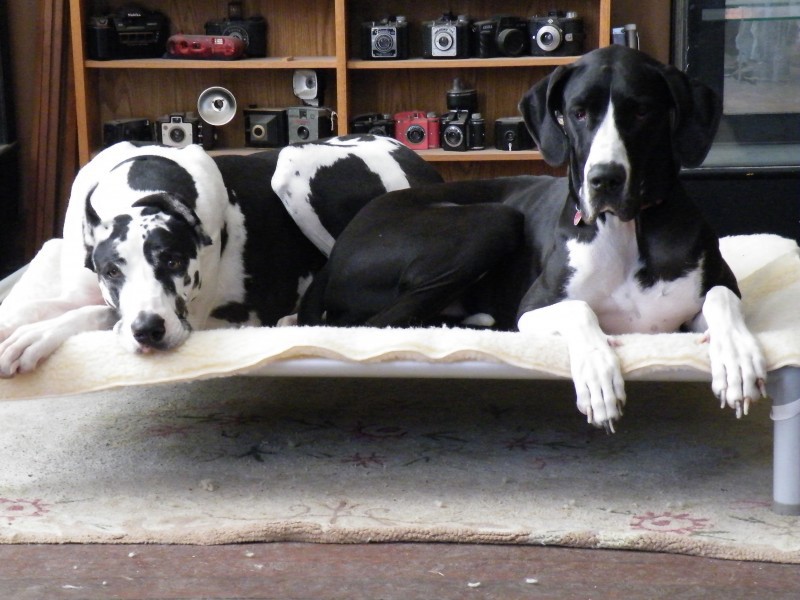
Credit: kuranda.com
Top Features Of The Best Big Dog Dog Beds
Here’s a summary of the most important features to compare:
| Feature | Why It Matters | What to Look For |
|---|---|---|
| Foam Type | Supports joints and keeps shape | High-density, memory foam |
| Cover Material | Handles dirt, hair, chewing | Machine-washable, tough fabric |
| Waterproof Liner | Protects against accidents | Removable, easy to replace |
| Size | Lets dog stretch out comfortably | Measure your dog lying down |
Many brands claim their beds are “orthopedic,” but only those with real memory foam or thick support layers truly help big dogs.
Popular Types Of Big Dog Beds
Several types of beds are popular among large breed owners. Each suits a different sleeping style.
Orthopedic Beds
These use memory foam or layered foam to relieve pressure on joints. Perfect for older dogs or those with arthritis.
Bolster Beds
A bolster is a raised edge. Dogs who like to rest their heads or curl against something love this type.
Elevated Beds
Raised, cot-style beds keep air flowing under your dog. These are good for hot climates or outdoor use.
Crate Mats
If your dog sleeps in a crate, a thick mat gives comfort without taking up too much space.
Pillow Beds
Simple, pillow-like beds are easy to move and wash, but may not last as long with very large dogs.
Comparing Top Big Dog Dog Beds
Let’s compare some top-rated beds for large dogs in key areas:
| Bed Name | Foam Thickness | Best For | Washable Cover |
|---|---|---|---|
| Big Barker Orthopedic | 7 inches | Arthritis, older dogs | Yes |
| K9 Ballistics Tough Bed | 5 inches | Chewers, messy dogs | Yes |
| Furhaven Bolster Bed | 4.5 inches | Head support, cuddlers | Yes |
| Kuranda Elevated Bed | Mesh cot | Hot weather, outdoor use | No (hose off) |
Mistakes To Avoid When Buying
Many owners learn the hard way that not all big dog beds are worth the price. Here are some common mistakes:
- Buying too small. A “large” size isn’t always enough. Always check the bed’s dimensions, not just the label.
- Ignoring weight ratings. Some beds flatten quickly under heavy dogs.
- Choosing the cheapest option. Low-cost beds often use poor foam and wear out fast.
- Not considering cleaning. Beds without removable covers become smelly and hard to clean.
A little extra research can save you from buying a bed your dog won’t use.
How To Make A Dog Bed Last Longer
With the right care, even the best big dog bed can last for years.
- Wash the cover often to reduce odors and hair.
- Rotate the bed every few weeks to prevent uneven wear.
- Use a waterproof liner if your dog is young, old, or has accidents.
- Keep the bed out of direct sunlight to stop fabric fading.
If your dog is a chewer, look for beds with hidden zippers and chew-resistant fabrics.
Real-world Example
Sarah, who owns a 120-pound Newfoundland, tried three beds before finding one that lasted. The cheaper beds flattened in months. Only after buying a true orthopedic foam bed did her dog sleep through the night. She also added a waterproof liner after the first accident, which saved the foam from being ruined.
These small choices made a big difference for both Sarah and her dog.
Credit: funnyfuzzy.com
Where To Buy Quality Big Dog Beds
You can find large dog beds at pet stores, but online shops often have the widest selection and user reviews. Look for brands that offer clear size guides and return policies. Reading customer reviews can show if a bed holds up for other big dog owners. For more information, check out this guide from the American Kennel Club.
Frequently Asked Questions
What Size Bed Does My Big Dog Need?
Measure your dog from nose to tail while lying down, then add 8–12 inches. This gives enough space to stretch out comfortably.
Are Orthopedic Beds Really Worth It For Large Dogs?
Yes. Large breeds put more pressure on their joints. Orthopedic beds with thick memory foam reduce pain and support better sleep.
How Often Should I Wash My Dog’s Bed?
For big dogs, wash the cover at least once a week or more if your dog sheds a lot or gets dirty often.
Can Big Dog Beds Help With Arthritis?
Yes. Beds with supportive foam reduce pressure points and help dogs with arthritis get up and down more easily.
What If My Big Dog Chews On Their Bed?
Look for beds with chew-resistant fabric and strong stitching. Avoid beds with exposed zippers or thin covers.
Choosing the right big dog bed takes some effort, but your dog’s comfort and health are worth it. With the right information, you can find a bed that supports your dog for years to come.

Credit: www.georgebarclay.co.uk