Many dog owners want to provide the best for their pets, including safe and enjoyable chew toys. Among the popular choices, Benebones stand out for their unique design and flavors. But are Benebones safe for dogs? Before you buy one, it’s important to look beyond the colorful packaging and clever marketing. Safety involves understanding the materials, the way dogs chew, and what can go wrong. Let’s take a close look at Benebones, exploring the facts, possible risks, and how to make the best choice for your furry friend.
What Are Benebones?
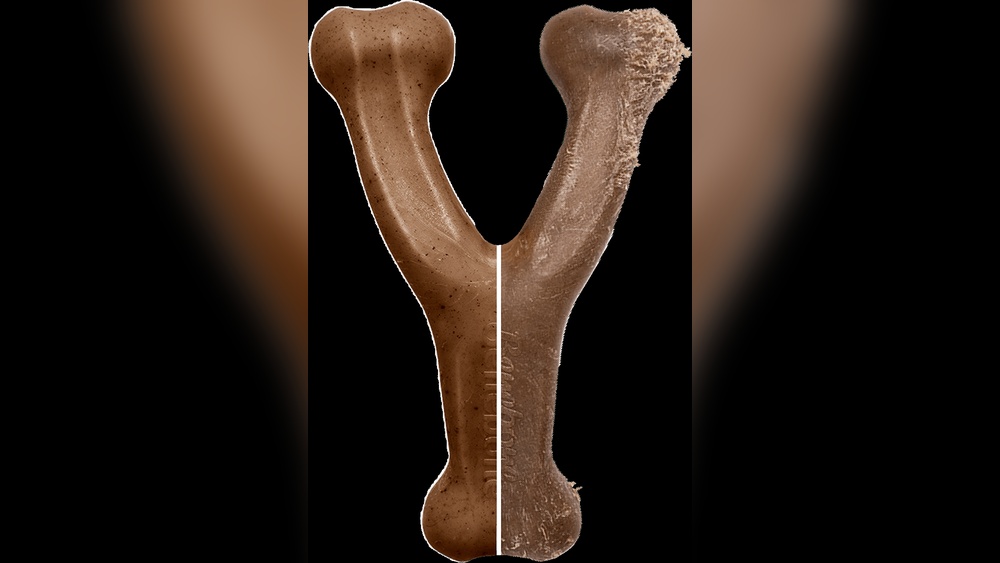
Benebones are durable chew toys made in the USA. They are shaped like bones or sticks and come in different flavors, such as bacon, chicken, and peanut butter. Unlike edible treats, Benebones are not meant to be eaten. Instead, they are designed to last longer and satisfy a dog’s natural urge to chew.
Materials: Benebones use nylon as the main ingredient. The flavors are added to the nylon, not coated on the outside, so they don’t wash off easily.
Sizes: There are several sizes, from small to giant, to fit different breeds and chewing strengths.
Purpose: Benebones are made for chewing only, not for fetching or tug-of-war games.
Why Dogs Love To Chew
Chewing is a natural behavior for dogs. It helps:
- Clean teeth by scraping off plaque
- Relieve boredom or anxiety
- Exercise jaw muscles
- Satisfy curiosity, especially in puppies
However, not all chews are created equal. Dogs may destroy soft toys quickly, or worse, swallow dangerous pieces.
Credit: www.reddit.com
Are Benebones Safe For Dogs?
This question is not a simple yes or no. The safety of Benebones depends on several factors: the dog’s size, chewing style, and supervision. Let’s review the main points.
Safety Features
Benebones are designed with several features to improve safety:
- Curved shape makes it easy for dogs to grip
- Hard nylon is less likely to splinter than some natural bones
- Flavor is built-in, reducing the need for added treats
But these features do not remove all risks.
Potential Risks
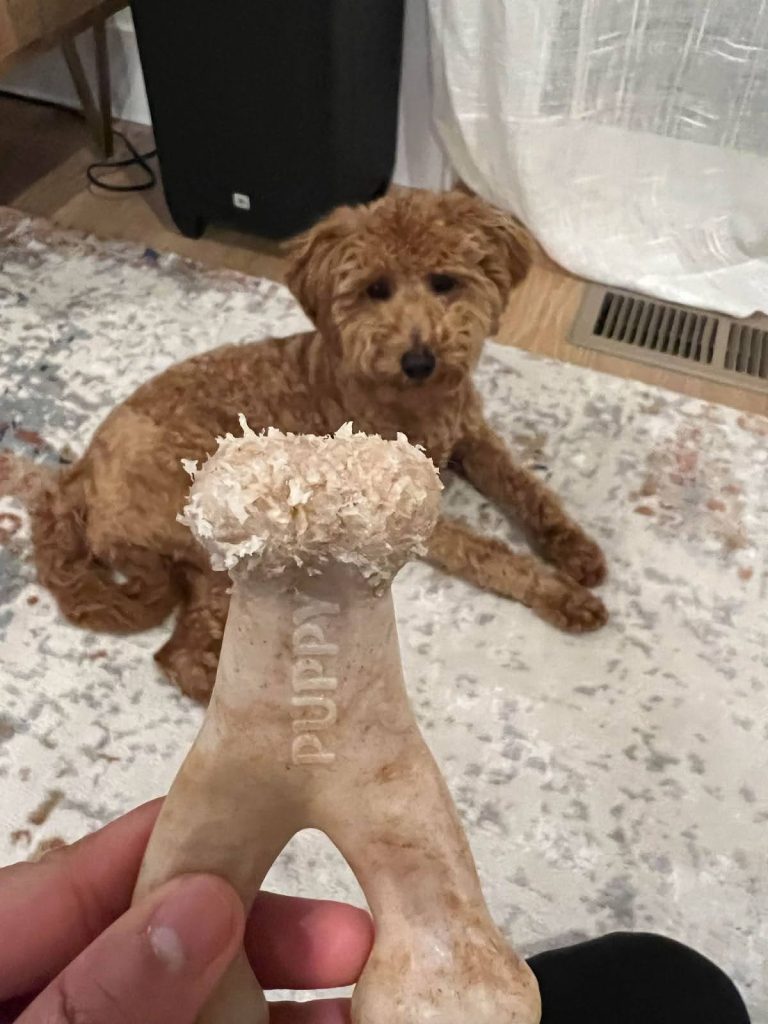
- Choking or Blockage: Dogs can break off small pieces, especially strong chewers. Swallowing large chunks may cause digestive blockage.
- Tooth Damage: Hard nylon can crack or break teeth, especially in aggressive chewers.
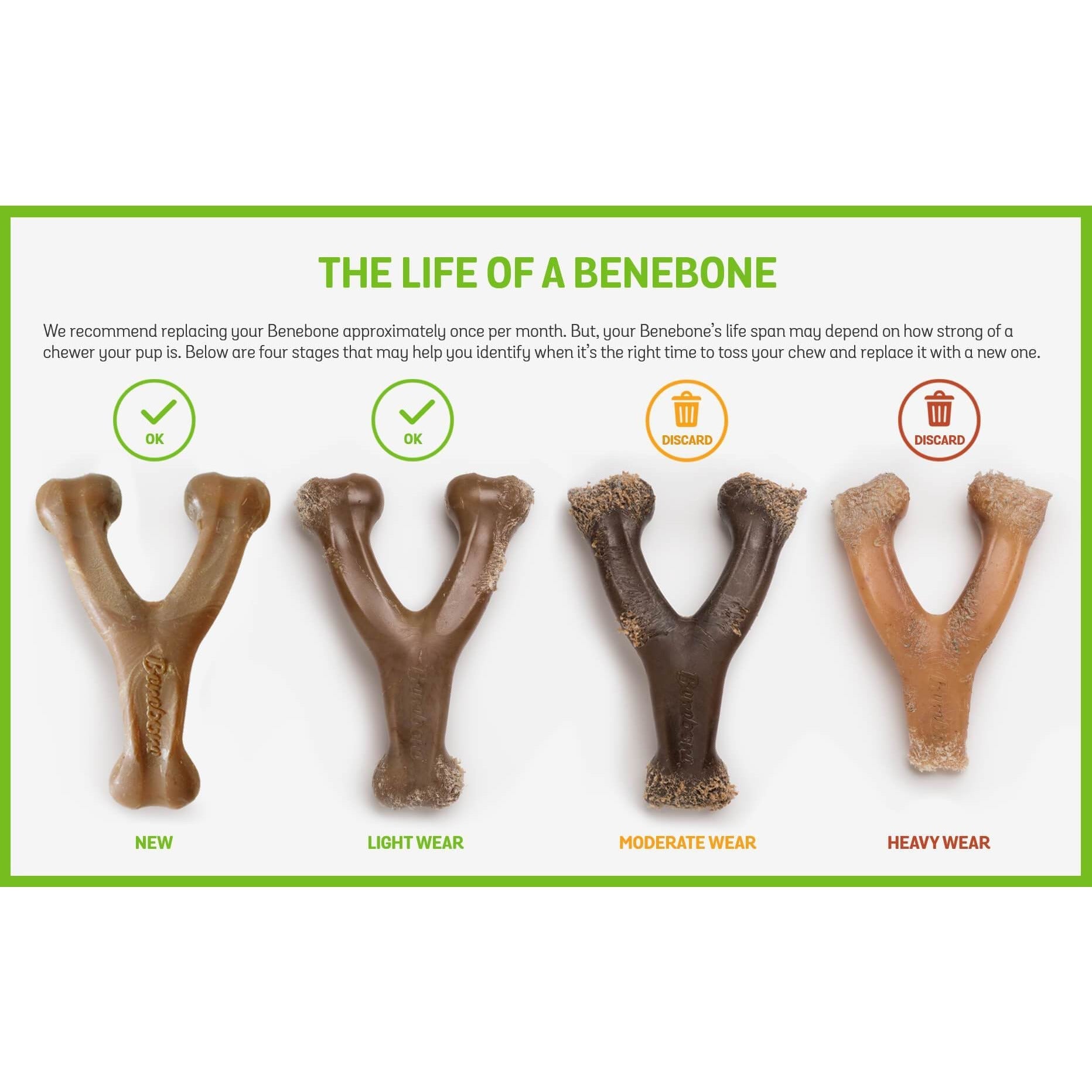
- Wear and Tear: Over time, Benebones develop rough edges. These can hurt gums or mouth tissue.
- Not Edible: If a dog eats large parts of the Benebone, it can lead to serious health problems.
Below is a comparison of Benebone safety risks versus other popular dog chew options:
| Chew Type | Main Material | Choking Risk | Tooth Damage Risk | Edibility |
|---|---|---|---|---|
| Benebone | Nylon | Moderate | Moderate-High | Not Edible |
| Rawhide | Animal Hide | High | Low | Partially Edible |
| Rubber Toy | Rubber | Low | Low | Not Edible |
| Natural Bone | Bovine Bone | High | High | Partially Edible |
Guidelines For Safe Use
If you want to give your dog a Benebone, follow these important guidelines:
- Choose the Right Size: Pick a Benebone larger than your dog’s mouth. This helps prevent swallowing accidents.
- Supervise Chewing: Always watch your dog, especially the first time. Remove the toy if you see pieces breaking off.
- Check for Damage: Inspect the Benebone often. If it becomes sharp, small, or worn down, replace it.
- Know Your Dog’s Chewing Style: Strong or aggressive chewers may destroy Benebones faster, increasing risk.
- Limit Chewing Time: Give the Benebone for short sessions. This helps protect teeth and gums.
Here’s a simple guide to Benebone sizing for different dog weights:
| Dog Weight | Recommended Benebone Size |
|---|---|
| Under 30 lbs (13.6 kg) | Small/Medium |
| 30–60 lbs (13.6–27 kg) | Large |
| Over 60 lbs (27 kg+) | Giant |
Credit: www.kingdukes.com
What Vets And Experts Say
Most veterinarians agree that no chew toy is 100% safe. Hard chews like Benebones can be risky for some dogs, especially if the dog has dental issues or is a very strong chewer. The American Veterinary Dental College notes that chews harder than a dog’s teeth can cause fractures.
However, many dogs use Benebones with no problems, especially when owners follow safety rules. For dogs that enjoy chewing and do not break off large pieces, Benebones can offer long-lasting entertainment.
Non-obvious Insights For Dog Owners
While most people know to monitor their dogs, some details are easy to miss:
- Age Matters: Puppies under six months may have softer teeth and gums, making Benebones too hard for them.
- Flavor Sensitivity: Some dogs develop allergies. If you notice itching, digestive upset, or swelling, stop using flavored chews and consult your vet.
- Rotation Is Key: Alternate Benebones with softer chews. This reduces wear on teeth and keeps your dog interested.
When To Avoid Benebones
Benebones are not for every dog. Avoid them if:
- Your dog is a puppy under six months
- Your dog has dental disease or missing teeth
- Your dog is an extreme chewer who quickly breaks toys
- Your dog tries to eat non-edible objects
If you are unsure, ask your veterinarian before giving your dog a Benebone.
Alternatives To Benebones
If Benebones seem too risky for your dog, there are other options:
- Rubber toys like KONGs, which are softer and less likely to break teeth
- Rope toys for gentle chewers
- Edible dental chews approved by the Veterinary Oral Health Council
For more on safe dog chews, visit the American Veterinary Medical Association.
Credit: careerscollectiv.com
Frequently Asked Questions
What Happens If My Dog Eats Part Of A Benebone?
If your dog swallows a small piece, watch for signs like vomiting, loss of appetite, or trouble pooping. Contact your vet right away if symptoms appear. Large pieces can cause dangerous blockages.
How Long Does A Benebone Last?
Benebones usually last a few weeks to a couple of months, depending on your dog’s chewing habits. Replace the toy when it becomes small enough to swallow or develops sharp edges.
Are Benebones Safe For Puppies?
No, Benebones are not recommended for puppies under six months old. Their teeth and jaws are still developing and may be damaged by hard nylon.
Can Benebones Break A Dog’s Teeth?
Yes, especially for strong chewers or dogs with weak teeth. Hard nylon can cause fractures if chewed aggressively or for long periods.
How Do I Clean A Benebone?
Wash Benebones with warm water and mild soap. Do not use harsh chemicals or put them in the dishwasher, as this can release unsafe materials.
Choosing the right chew toy means thinking about your dog’s needs and habits. Benebones can be safe for many dogs, but only when used correctly. Watch your pet, check the toy often, and talk to your vet if you have concerns.
Your dog’s safety always comes first.