Finding the right kitten food brands is one of the most important choices you’ll make as a new cat owner. The first year of a kitten’s life is full of fast growth and development. Their tiny bodies need food that gives energy, builds strong bones, and supports brain health. But with so many brands available, choosing can feel confusing. Some foods look healthy but aren’t complete. Others use confusing labels or hidden fillers.
This guide will help you understand what makes a kitten food brand trustworthy. You’ll learn about nutrition basics, see how popular brands compare, and discover common mistakes to avoid. Whether your kitten is playful, picky, or has a sensitive stomach, you’ll find useful information here.
By the end, you’ll feel confident choosing the best food for your furry friend.
What Matters When Choosing Kitten Food
Kittens need more protein, fat, and calories than adult cats. The best brands make food that supports their special needs. Here are the most important things to look for:
- High protein: Kittens need about 30-40% protein for muscle and growth.
- Quality fat: Healthy fats give energy and help brain development.
- Balanced minerals: Calcium and phosphorus are key for bones and teeth.
- Added DHA: This supports vision and brain health.
- No fillers: Avoid foods with too much corn, wheat, or artificial colors.
- AAFCO statement: Look for a label that says the food is complete and balanced for kittens.
Some brands also offer food for special needs—like sensitive stomachs, allergies, or indoor kittens.
Top Kitten Food Brands Compared
Here’s a comparison of seven popular kitten food brands. Each one is chosen for quality, safety, and reviews from real cat owners.
| Brand | Protein (%) | Main Protein Source | Wet/Dry | Price Range |
|---|---|---|---|---|
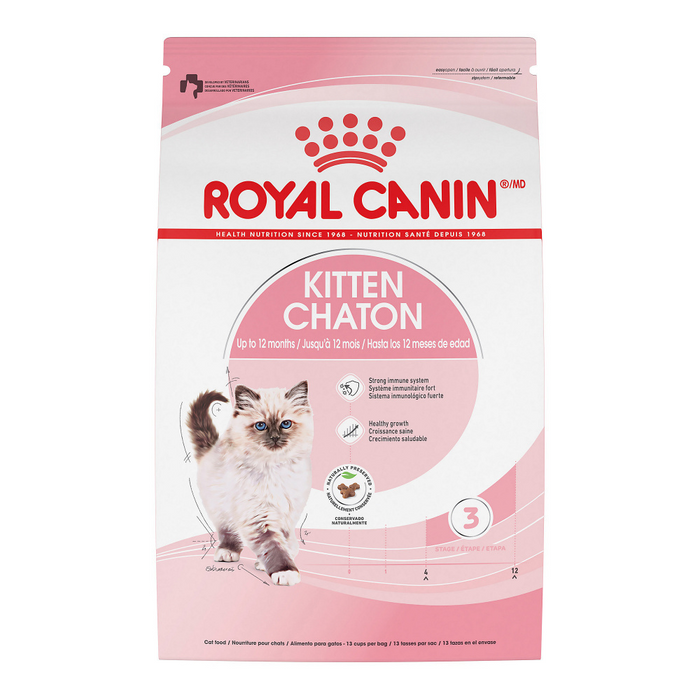
| Royal Canin Kitten | 34 | Chicken | Both | $$ |
| Hill’s Science Diet Kitten | 33 | Chicken | Both | $$ |
| Purina ONE Healthy Kitten | 40 | Chicken | Both | $ |
| Blue Buffalo Healthy Growth | 36 | Chicken | Both | $$ |
| Wellness CORE Kitten | 45 | Turkey, Chicken | Both | $$$ |
| Instinct Original Kitten | 42 | Chicken | Both | $$$ |
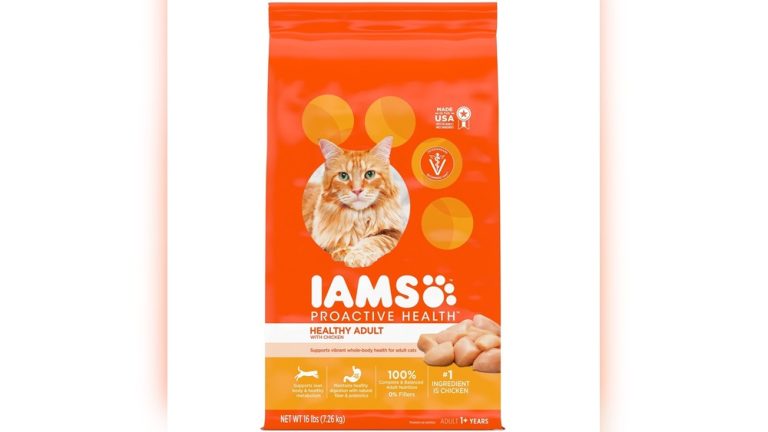
| Iams ProActive Health Kitten | 33 | Chicken | Dry | $ |
Let’s look closer at what makes each brand unique.
Royal Canin Kitten
Royal Canin is known for science-based formulas. Their kitten food is easy to digest and has the right mix of protein, fat, and minerals. Many vets recommend it for kittens under 12 months.
Hill’s Science Diet Kitten
Hill’s Science Diet uses natural ingredients and avoids artificial flavors. The food is gentle on small stomachs and supports immune health with antioxidants.
Purina One Healthy Kitten
Purina ONE offers good nutrition at a lower price. Real chicken is the first ingredient. This food includes DHA for brain and vision development.
Blue Buffalo Healthy Growth
Blue Buffalo adds LifeSource Bits—a blend of vitamins, minerals, and antioxidants. This helps boost immunity during the early months.
Wellness Core Kitten
Wellness CORE is grain-free and has the highest protein level of this group. It uses real turkey and chicken, with no meat by-products or fillers.
Instinct Original Kitten
Instinct uses cage-free chicken and includes raw, freeze-dried pieces for extra nutrition. It’s great for kittens with food sensitivities.
Iams Proactive Health Kitten
Iams is affordable and widely available. It contains nutrients for strong bones and brain. Some owners say it helps with healthy coats.
Credit: concordpetfoods.com
Wet Vs. Dry Kitten Food
Both wet and dry foods can be healthy for kittens, but there are differences.
| Type | Pros | Cons |
|---|---|---|
| Wet Food | High moisture, easy to eat, tasty | More expensive, spoils faster |
| Dry Food | Easy to store, cheaper, good for teeth | Less water, can be hard for small kittens |
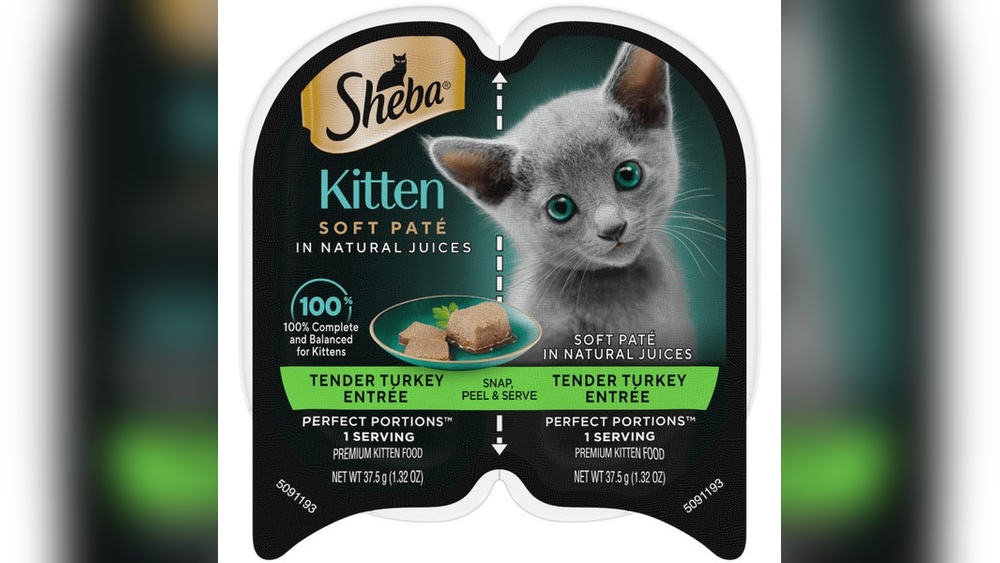
For most kittens, a mix of both works best. Wet food helps with hydration, while dry food is convenient and supports dental health. If your kitten is very young or has trouble chewing, start with wet food.
Common Mistakes When Feeding Kittens
Many new cat owners make simple mistakes. Here’s how to avoid them:
- Switching food too quickly: Always change food slowly over 7–10 days to avoid stomach upset.
- Feeding adult cat food: Kitten food is different—adult food doesn’t have enough energy or nutrients.
- Overfeeding: Kittens need more food, but too much can cause diarrhea or obesity.
- Ignoring water: Even with wet food, always provide fresh, clean water.
- Not checking labels: Look for an AAFCO statement to make sure the food is complete and balanced.
Some owners think expensive food is always better. But the best food is one your kitten likes, digests well, and gives healthy growth.
How To Tell If Your Kitten Food Is Working
You can spot signs that your kitten’s food is a good fit:
- Shiny coat and healthy skin
- Steady weight gain
- Bright eyes and playful energy
- Firm, small stools
If your kitten has diarrhea, vomiting, or a dull coat, try a different brand or talk to your vet.
How To Read A Kitten Food Label
Reading pet food labels can be tricky. Look for these things:
- Protein and fat listed near the top
- Real meat as the first ingredient
- Clear feeding guidelines by weight and age
- AAFCO statement showing it’s complete for kittens
Avoid foods where corn, soy, or by-products are the main ingredients.
:max_bytes(150000):strip_icc():focal(2999x0:3001x2)/peo-best-cat-food-brands-of-2023-tout-badge-1af4c9dffc1e46c2a1e59a42e45d570d.jpg)
Credit: dumin.org
Extra Insights For Smart Choices
Here are two tips most beginners miss:
- Check the batch number and expiration date before buying. Old food loses nutrients and can make kittens sick.
- If your kitten is a certain breed (like Maine Coon or Siamese), some brands offer breed-specific formulas. These often match the unique needs of that breed, like bone growth or coat health.
Useful Resources
For more science-based info on pet nutrition, visit the FDA’s pet food page.

Credit: dumin.org
Frequently Asked Questions
What Is The Best Kitten Food Brand For Sensitive Stomachs?
Brands like Hill’s Science Diet and Instinct Original Kitten are gentle and made for sensitive digestion. Try wet food first and introduce new foods slowly.
How Often Should I Feed My Kitten?
Feed young kittens (under 6 months) 3-4 small meals per day. Older kittens (6-12 months) can have 2-3 meals daily. Always offer fresh water.
Can I Give My Kitten Treats?
Yes, but keep treats to less than 10% of their daily calories. Use treats for training or bonding, not as a main food.
When Should I Switch From Kitten To Adult Food?
Switch to adult food around 12 months old. Make the change over a week to avoid stomach problems.
Is Grain-free Food Better For Kittens?
Not always. Some kittens do well with grains, unless they have allergies. Focus more on high protein and real meat ingredients.
Choosing the right kitten food brand is about more than marketing or price. Watch your kitten’s health and happiness for the best guide. With the tips above, you’ll give your kitten a strong start for a long, healthy life.