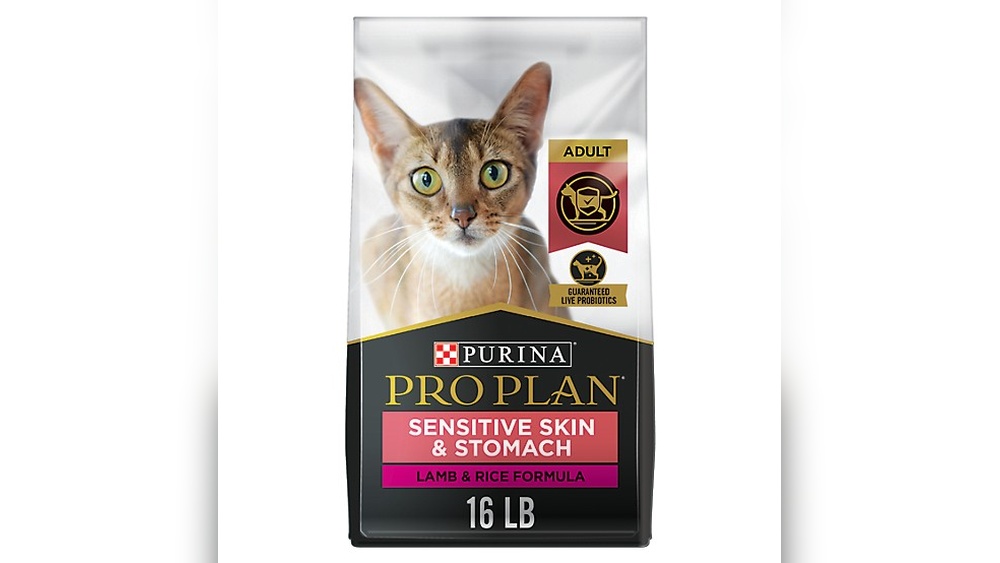
If you have a cat with a sensitive stomach or skin, you know how stressful it can be to see them uncomfortable or in pain. Finding the right food is one of the most important ways to support your cat’s health. Purina Sensitive Skin and Stomach Cat Food is specially made for cats with these issues. This article will help you understand what makes this food different, what’s inside, its pros and cons, and how it compares to other options. Whether your cat has itchy skin, frequent vomiting, or loose stools, choosing the right food can make a big difference.
What Is Purina Sensitive Skin And Stomach Cat Food?
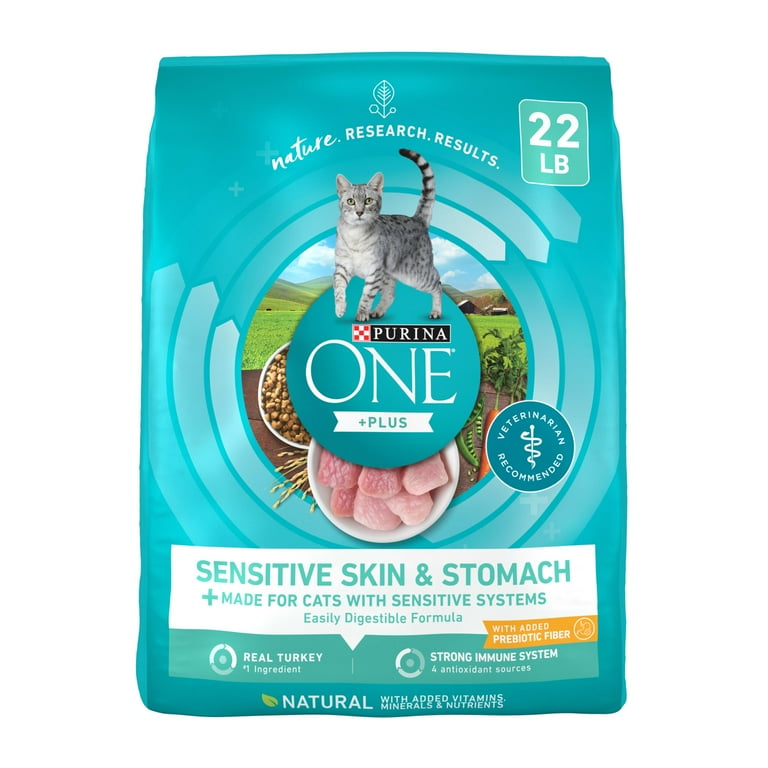
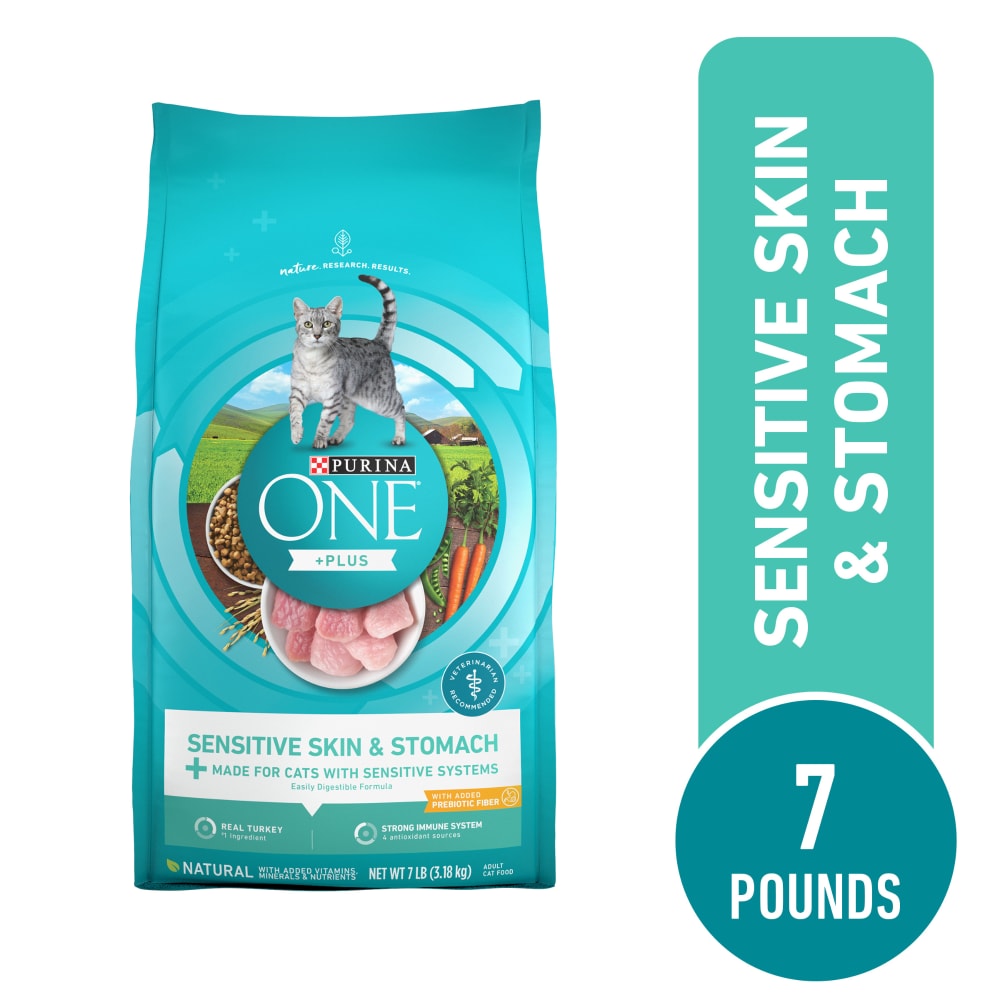
Purina Sensitive Skin and Stomach Cat Food is designed for cats that have digestive problems or skin irritation. These issues are common, especially in older cats or certain breeds. The food is available in both dry and wet forms, so you can choose what your cat prefers.
Many cats suffer from sensitive stomachs. Signs include vomiting, diarrhea, or gas after eating. Skin issues might show up as itching, hair loss, or scabs. Purina’s formula uses gentle ingredients that are easy to digest and are less likely to cause allergies or irritation.
Key Ingredients And Nutrition
The success of any cat food depends on what’s inside. Purina Sensitive Skin and Stomach Cat Food uses high-quality ingredients to help with digestion and skin health.
| Ingredient | Purpose |
|---|---|
| Turkey or Salmon | Main protein source, easy to digest |
| Rice | Gentle carbohydrate for energy |
| Oatmeal | Supports digestion, less likely to cause allergies |
| Fish Oil | Rich in omega-3 for healthy skin and coat |
| Prebiotic Fiber | Helps balance gut bacteria |
No artificial colors or flavors are used in most formulas. The protein content is usually around 34%, with fat at 14%. This balance supports muscle and energy needs for most cats. Omega-3 and omega-6 fatty acids help improve skin moisture and reduce itching.
Benefits For Sensitive Cats
Switching to Purina Sensitive Skin and Stomach Cat Food brings several possible benefits for your cat:
- Gentle on Digestion: The limited ingredients and absence of common irritants make it easier for cats to digest.
- Improved Skin and Coat: Omega fatty acids from fish oil support shiny fur and healthy skin, reducing itching and dandruff.
- Supports Immune Health: Added antioxidants and vitamins help the immune system function better.
- Helps With Hairballs: The natural fiber blend can reduce hairball problems, which are more common in cats with sensitive stomachs.
- Allergy Friendly: No corn, wheat, or soy, which are frequent allergens for cats.
Many cat owners report a quick improvement in symptoms like vomiting or scratching within a few weeks of switching to this food. However, it’s important to introduce new food gradually to avoid further stomach upset.
Comparing Purina Sensitive Skin And Stomach To Other Cat Foods
It helps to see how this food compares to other popular sensitive formulas.
| Brand | Main Protein | Grain-Free? | Unique Features |
|---|---|---|---|
| Purina Sensitive | Turkey/Salmon | No | Prebiotic fiber, fish oil |
| Hill’s Science Diet Sensitive | Chicken | No | Vitamin E, Omega-6 |
| Blue Buffalo Sensitive Stomach | Chicken | Yes | LifeSource Bits, grain-free |
| Royal Canin Digestive Care | Chicken meal | No | Special fiber blend |
Unlike some brands, Purina does use grains like rice and oatmeal, but these are gentle and rarely cause trouble. Grain-free is not always better for cats unless they have a grain allergy.
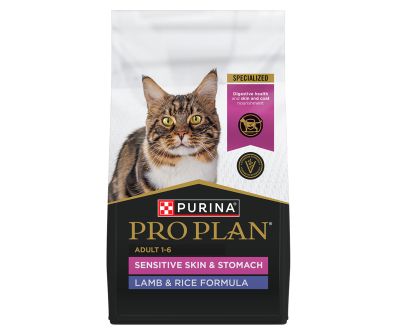
Credit: www.proplanvetdirect.com
How To Switch Your Cat’s Food Safely
Changing your cat’s food should be done step by step:
- Start Slow: On day one, mix 25% new food with 75% old food.
- Increase Gradually: Over a week, slowly add more new food and reduce the old one.
- Watch for Symptoms: Look for vomiting, diarrhea, or refusal to eat. If problems appear, slow down the transition.
- Provide Fresh Water: Cats need plenty of water, especially with dry food.
This gradual approach reduces the risk of stomach upset and helps your cat adjust to the new taste and texture.
Common Mistakes When Feeding Sensitive Cats
Many cat owners make mistakes that can slow down their cat’s recovery or cause new problems:
- Switching food too quickly. This can upset your cat’s stomach.
- Offering too many treats or human food. Even small amounts can cause digestive problems.
- Not monitoring symptoms. If your cat’s issues get worse or don’t improve, talk to your vet.
- Ignoring the need for water. Sensitive cats can get dehydrated easily, especially with dry food.
A non-obvious tip: Some cats react to the bowl material. Stainless steel or ceramic bowls are less likely to cause skin allergies than plastic ones.
Credit: www.walmart.com
Real-world Results And Reviews
Many cat owners share positive feedback about Purina Sensitive Skin and Stomach Cat Food. Most say their cats enjoy the taste and show less vomiting and scratching within two weeks. Some report firmer stools and shinier coats.
However, not every cat will respond the same. A few owners find that their cat refuses the taste or does not show big improvements. It’s important to remember that underlying medical issues, such as parasites or infections, can also cause these symptoms.
One less obvious insight: The stress of changing your cat’s routine (new food, new bowls, or feeding times) can temporarily cause digestive issues. Keep other things stable while you switch foods.
Is It Worth The Price?
Purina Sensitive Skin and Stomach Cat Food is usually mid-range in price. It is more expensive than basic cat food but cheaper than some premium brands or prescription diets.
Here is a quick look at cost compared to other sensitive formulas:
| Brand | Average Price (4 lbs) | Type |
|---|---|---|
| Purina Sensitive | $18 | Dry |
| Hill’s Science Diet | $22 | Dry |
| Blue Buffalo | $24 | Dry |
| Royal Canin | $28 | Dry |
Compared to prescription foods, Purina is much more affordable and available in most pet stores and online.
Credit: www.ralphs.com
When To See A Veterinarian
If your cat’s symptoms are severe, such as constant vomiting, blood in stool, or major weight loss, food alone may not be enough. Always consult your vet if you notice these signs. Sometimes, sensitive stomach and skin are symptoms of bigger health problems.
Frequently Asked Questions
What Makes Purina Sensitive Skin And Stomach Cat Food Different?
Purina Sensitive Skin and Stomach Cat Food uses gentle proteins like turkey or salmon, plus rice and oatmeal, which are easy on the stomach. It also adds fish oil and prebiotic fiber to support skin and digestion, without common allergens like corn or soy.
Can I Feed This Food To Kittens?
This food is mainly made for adult cats. Kittens have special needs for growth. Ask your vet before giving this to a kitten, or look for a formula marked safe for kittens.
How Soon Will I See Results After Switching?
Many owners notice improvements in their cat’s digestion or skin within 2-3 weeks. Results depend on the cat, their health, and how you change the food. Always switch slowly.
Is Purina Sensitive Skin And Stomach Grain-free?
No, it uses rice and oatmeal, which are gentle grains. Grain-free is not always better unless your cat is allergic to grains.
Where Can I Buy Purina Sensitive Skin And Stomach Cat Food?
You can find it in most pet stores, large supermarkets, and online retailers. For more information, visit the official Purina website.
Choosing the right food for a sensitive cat can seem difficult, but with careful choices and patience, most cats will feel better. Purina Sensitive Skin and Stomach Cat Food is a reliable option for many cats with these needs. Always pay attention to your cat’s reactions and ask your vet if you have doubts.
Your cat deserves comfort and good health every day.